QUOTE(callmevil @ Aug 14 2008, 08:48 AM)
ok.. been meaning to ask.. what does "crossover" mean?? alot of speaker forum talks about setting crossover bla bla bla.. but i dont know what it means..

also.. what constitute as Large speakers?
This crossover thingy is most important if your speakers are not full range, and a sub is needed to do the low frequencies.
How is this possible? We put the speakers all around us, shouldn't the speakers be directional?
Yes, for frequencies higher than 80Hz (according to THX). Frequencies lower than that are not directional, so it can be taken to the sub instead. You won't hear those low frequencies coming from any speakers, if you set the phase right. Crossing it higher will only make the sub as directional, meaning our ears can pinpoint the location of the sub. That's not right because that frequencies are supposed to come from the directional speakers, not the sub.
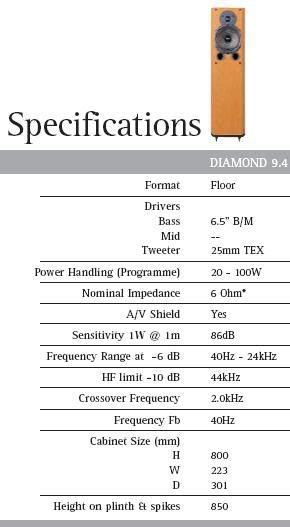
So why we want to cross those low frequencies over to the sub? It's because most speakers, especially surrounds, can only go down to a certain frequencies only. Some of the speakers the lowest frequency they can only do 80 Hz, so if there's 50Hz signal being sent, you won't hear it, so you're not listening as the filmmaker intended. It could also hurt the speakers actually.
But what if you have a true full range speakers (can go down to 20Hz, or at least 30Hz)? Then, you don't even need a sub anymore. Just let the speakers do all the job! Though some would still use a sub, just to get more power to the low frequencies.
PS: The AVR bass management will only do this crossover for small speakers, so if you're speakers are not truely full range, set it to small. If set large, the AVR will assume your speakers can do all the frequencies.
This post has been edited by aiman04: Aug 14 2008, 09:11 AM 

 Aug 8 2008, 02:29 PM, updated 18y ago


 Quote
Quote


 ...
...  is aiman interested with subbies too?






 0.0346sec
 1.22
1.22
 5 queries
 GZIP Disabled