

 Dec 2 2025, 09:45 PM, updated 3w ago


China will impose a value-added tax on contraceptive drugs and devices – including condoms – for the first time in three decades, its latest bid to reverse plunging birth rates that threaten to further slow its economy.
Under the newly revised Value-Added Tax (VAT) Law, consumers will pay a 13 per cent levy on items that had been VAT-exempt since 1993, when China enforced a strict one-child policy and actively promoted birth control.
At the same time, the revision carves out new incentives for prospective parents by exempting childcare services – from nurseries to kindergartens – as well as eldercare institutions, disability service providers and marriage-related services. The changes take effect in January.
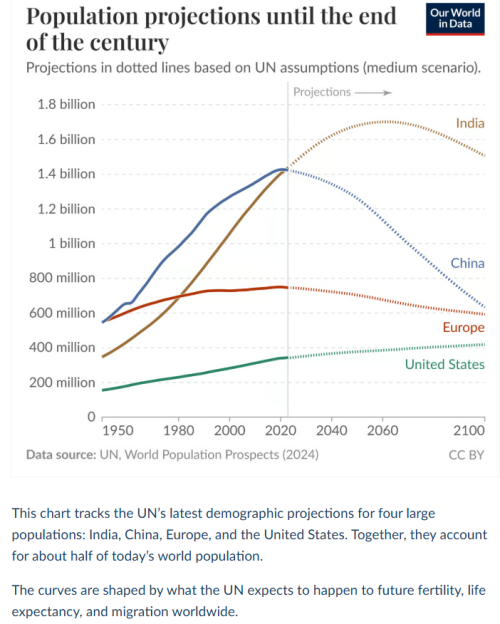
They reflect a broader policy pivot, as a rapidly ageing China shifts from limiting births to encouraging people to have more children. The population has shrunk for three consecutive years, with just 9.54 million births in 2024 – barely half of the 18.8 million registered nearly a decade ago, when the one-child policy was lifted.
Beijing has rolled out a series of pro-natalist policies in response, from offering cash handouts to improving childcare services and extending paternity and maternity leave.
The country has also announced guidelines to reduce the number of abortions that are not deemed “medically necessary” – in sharp contrast to the coercive reproductive controls of the one-child era, when abortions and sterilisations were routinely enforced.
China’s attempts to reverse its birth rate are running into a basic hurdle: China is one of the priciest countries in which to bring up children, according to a 2024 report by the YuWa Population Research Institute in Beijing.
Raising a child through age 18 costs more than an estimated 538,000 yuan (S$98,700), a price at which many young adults are baulking amid a slow economy and unstable job market.
As societal values shift, others are choosing to invest in their own stability and careers over a family life.
Still, the authorities are increasingly focused on measures meant to shift social attitudes towards childbirth – even when the direct effects might be limited.
“Removing the VAT exemption is largely symbolic and unlikely to have much impact on the bigger picture,” said Mr He Yafu, a demographer with YuWa. Instead, “it reflects an effort to shape a social environment that encourages childbirth and reduces abortions”.
https://www.straitstimes.com/asia/east-asia...ost-birth-rates
China tax condoms to boost birth rate
 Quote
Quote








 0.0143sec
 0.38
0.38
 5 queries
 GZIP Disabled