

 Dec 1 2025, 09:57 PM, updated 2d ago


.jpg)
.jpg)
https://www.lowyat.net/2025/374926/opensys-...ology-malaysia/
OpenSys Pilots PalmWav, A Prototype Palm-Recognition Payment Technology
OpenSys Technologies Sdn Bhd has introduced PalmWav, a prototype palm-recognition technology for seamless, device-free payments in Malaysia. The system is designed to integrate with the country’s existing payment infrastructure, including PayNet’s MyDebit network.
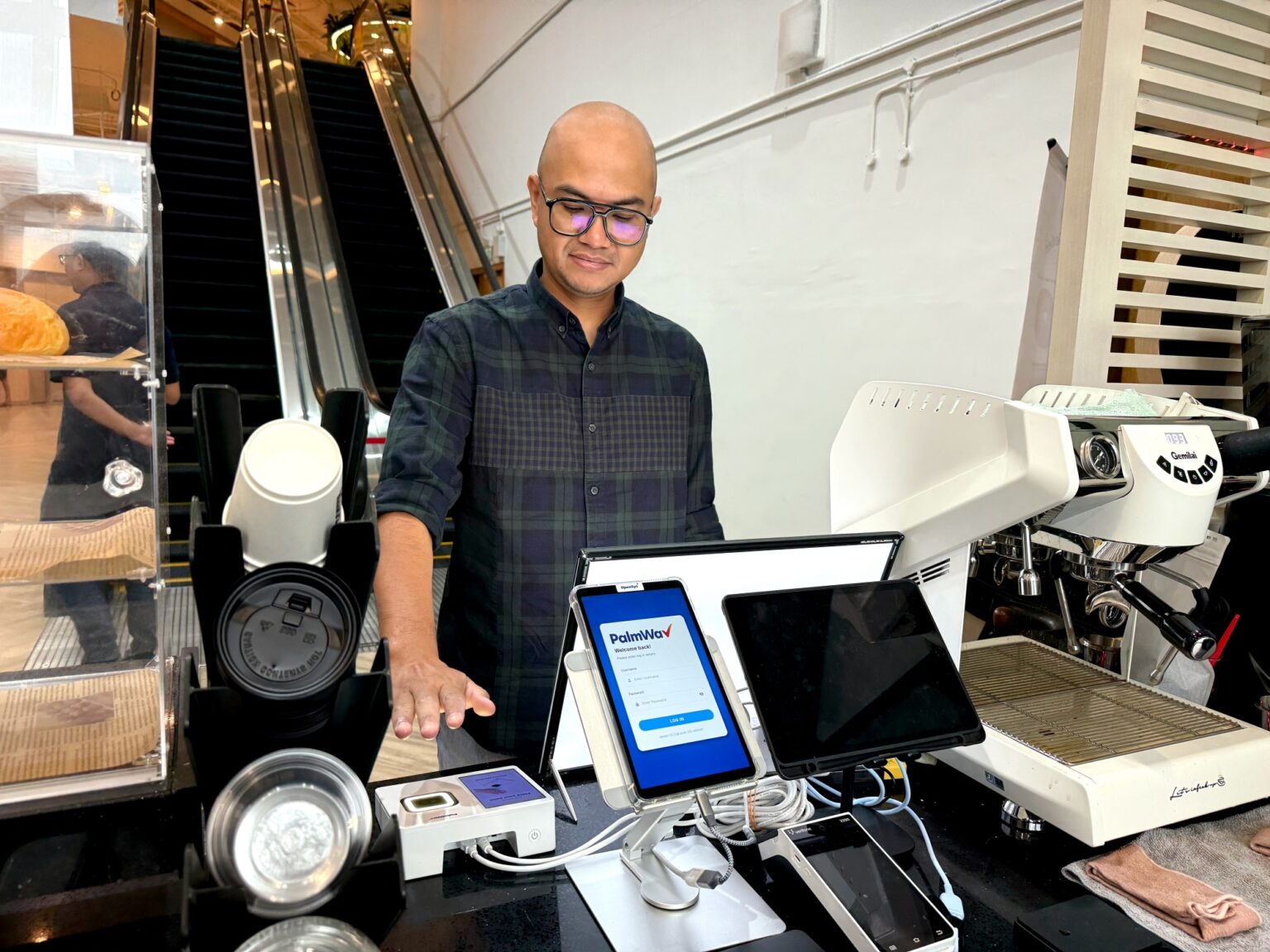
The prototype was recently showcased internally to OpenSys employees and key partners, piloted at two locations: Kom.Fi Café in Kuala Lumpur, and Bread Maison in Petaling Jaya. These early trials allowed participants to experience transactions simply by waving a hand over a dedicated device (a palm reader, if you may) to illustrate PalmWav’s potential as an alternative to existing methods such as cards, smartphones and traditional e-wallets.
What Is It?
According to OpenSys, PalmWav is a palm-recognition payment system powered by Tencent Cloud’s AI technology. It works by generating an encrypted “palm signature,” a biometric identifier created using the unique patterns of a user’s palm. The prototype currently operates within a controlled production environment, demonstrating interoperability with Malaysia’s payment ecosystem, including MyDebit.
How It Works
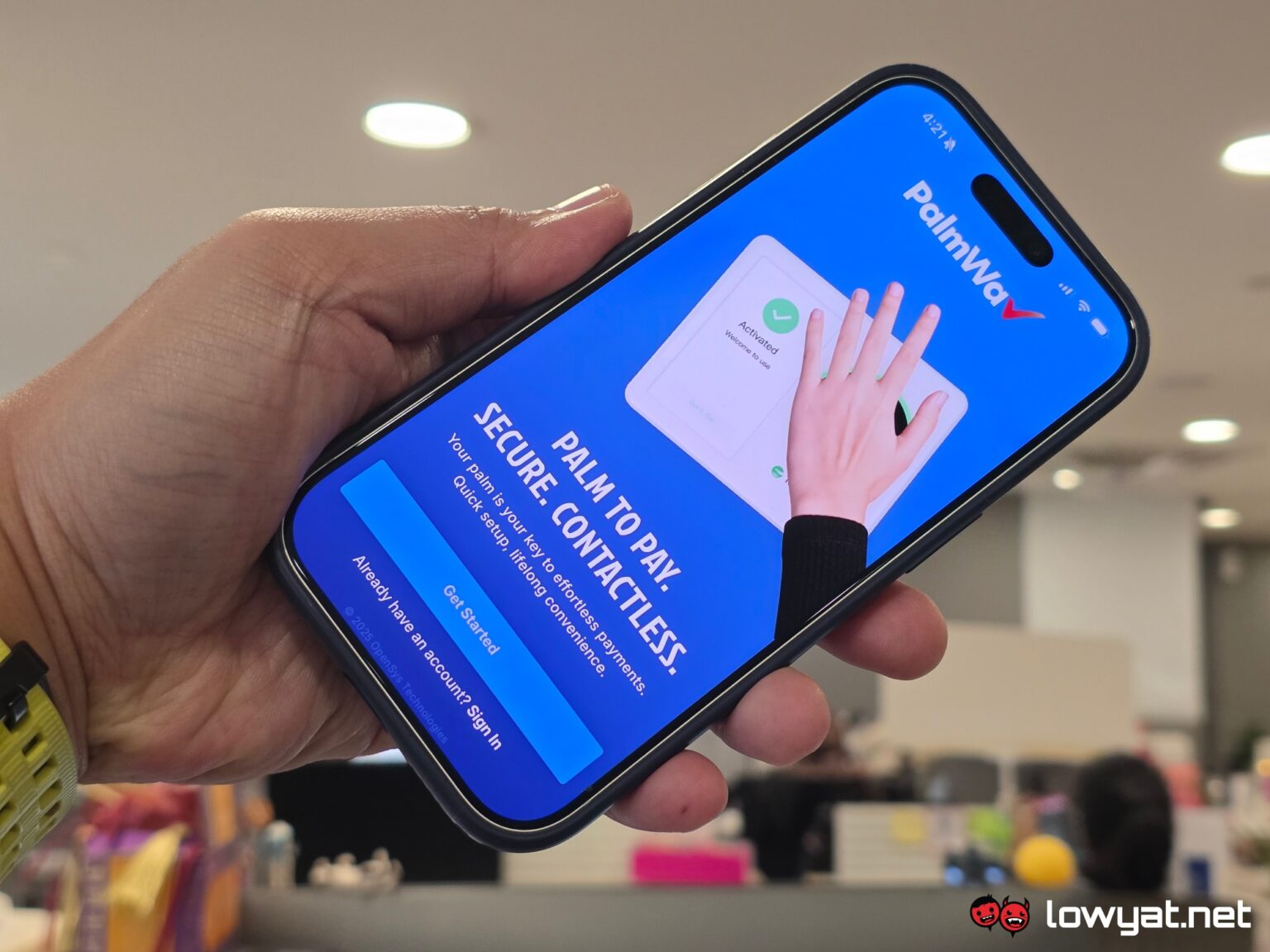
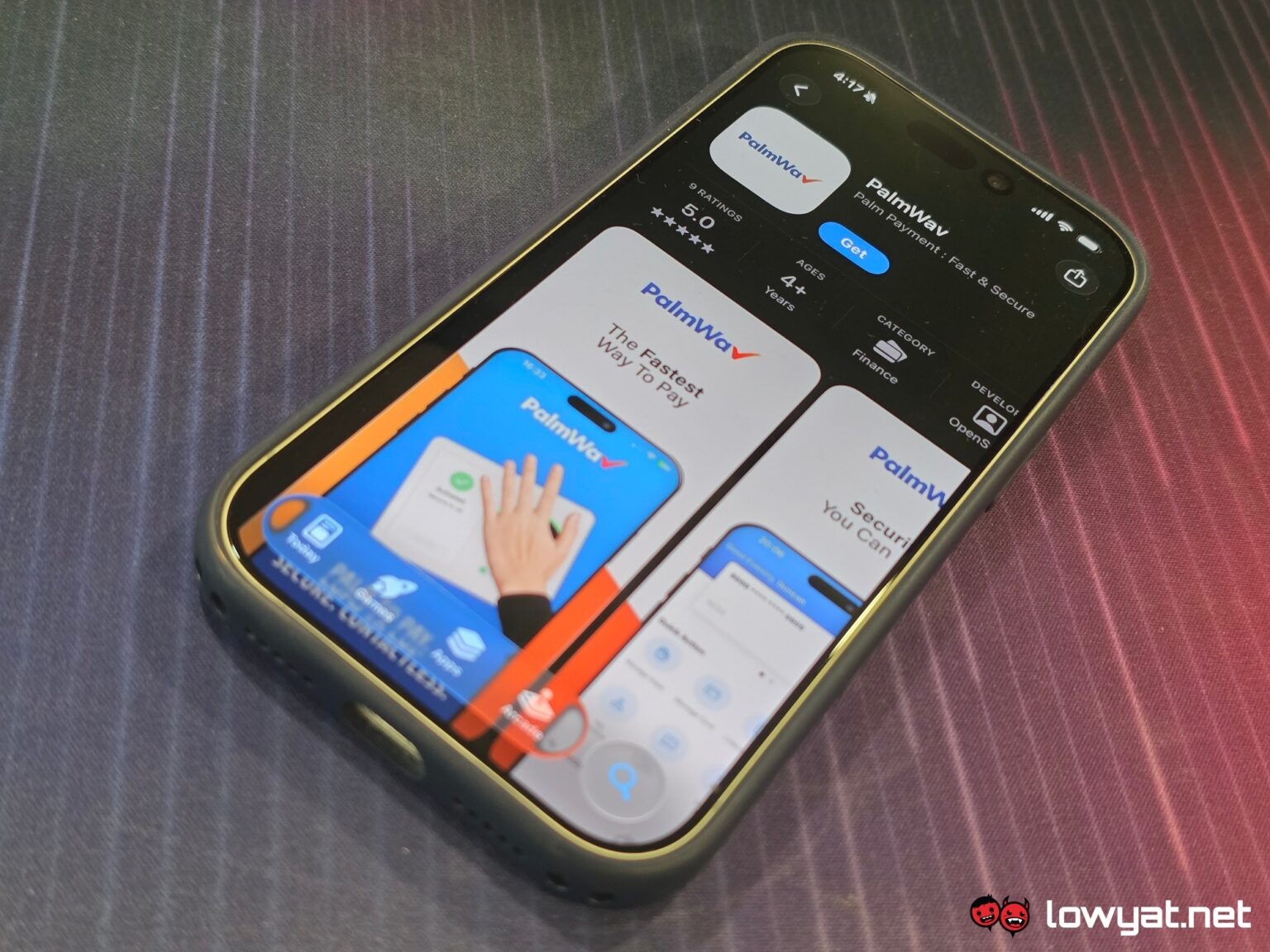
Users begin by signing up through the PalmWav mobile app before completing a one-time registration at participating merchant outlets. Even though it is already available via Apple App Store and Google Play, full access is only limited to invited individuals at this time.
After enrolment, payments can be made by simply holding a palm above the PalmWav reader. The system authenticates the biometric signature within seconds, enabling secure and contactless transactions without requiring cards, phones or other devices.
However, it is unclear how your palm’s signatures are registered as OpenSys did not provide details concerning this. It is possible that it is less complicated than scanning your palms, and could just involve you supplying clear photos of them to the app instead.
Benefits for Consumers
PalmWav aims to streamline everyday payments by offering fast and frictionless transactions, authenticated in seconds. Because no physical device is needed, users can pay even without a phone or wallet on hand.
Benefits for Businesses
For merchants, the system can help reduce checkout times and shorten queues during peak hours. OpenSys adds that the approach also contributes to a more hygienic experience, which may appeal in food and retail environments. Additionally, PalmWav is designed to integrate with loyalty and rewards programmes and is built on scalable architecture that can support a wide user base and expanded payment schemes in the future.
Concerning Privacy
OpenSys says PalmWav incorporates enterprise-grade cybersecurity protections, including end-to-end encryption, tokenised transactions, and real-time fraud monitoring. The company emphasises that all palm signatures are stored in an encrypted format, with the system developed to meet high privacy and security standards. Meanwhile, Tencent Cloud’s biometrics technology underpins the authentication process, adding an additional layer of data protection.
Cool, But Not New
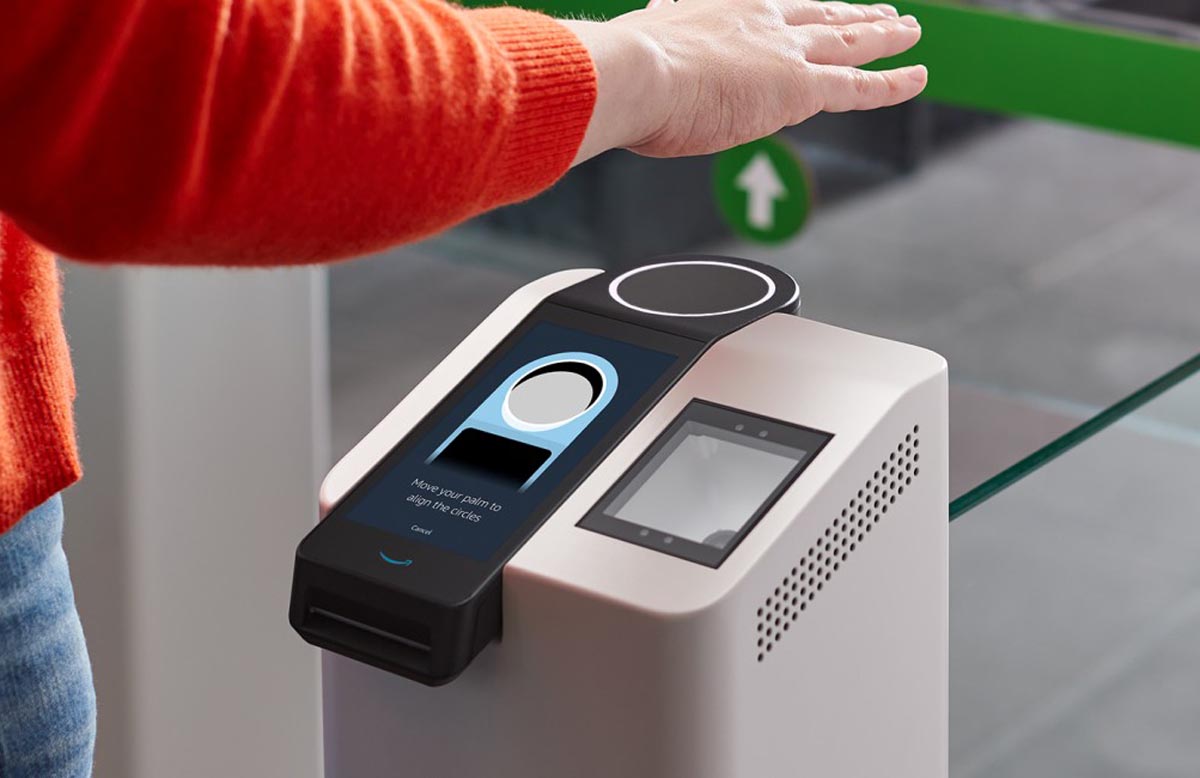
In a way, OpenSys’ prototype joins a small but growing club of biometric-payment experiments that go beyond cards and phones. Back in 2020, Amazon rolled out Amazon One, a similar service that allowed users to pay by simply waving their palm over a scanner. A couple of years later, Mastercard went a step further by introducing Biometric Checkout, which literally lets you pay with a smile.
Amazon One is already supported at numerous locations in the United States while Mastercard Biometric Checkout is still under continuous testing. As for PalmWav, OpenSys has yet to reveal when it plans to fully roll out the system in Malaysia.
This post has been edited by croydon: Dec 1 2025, 09:59 PM
 Quote
Quote






 0.0141sec
 0.41
0.41
 5 queries
 GZIP Disabled