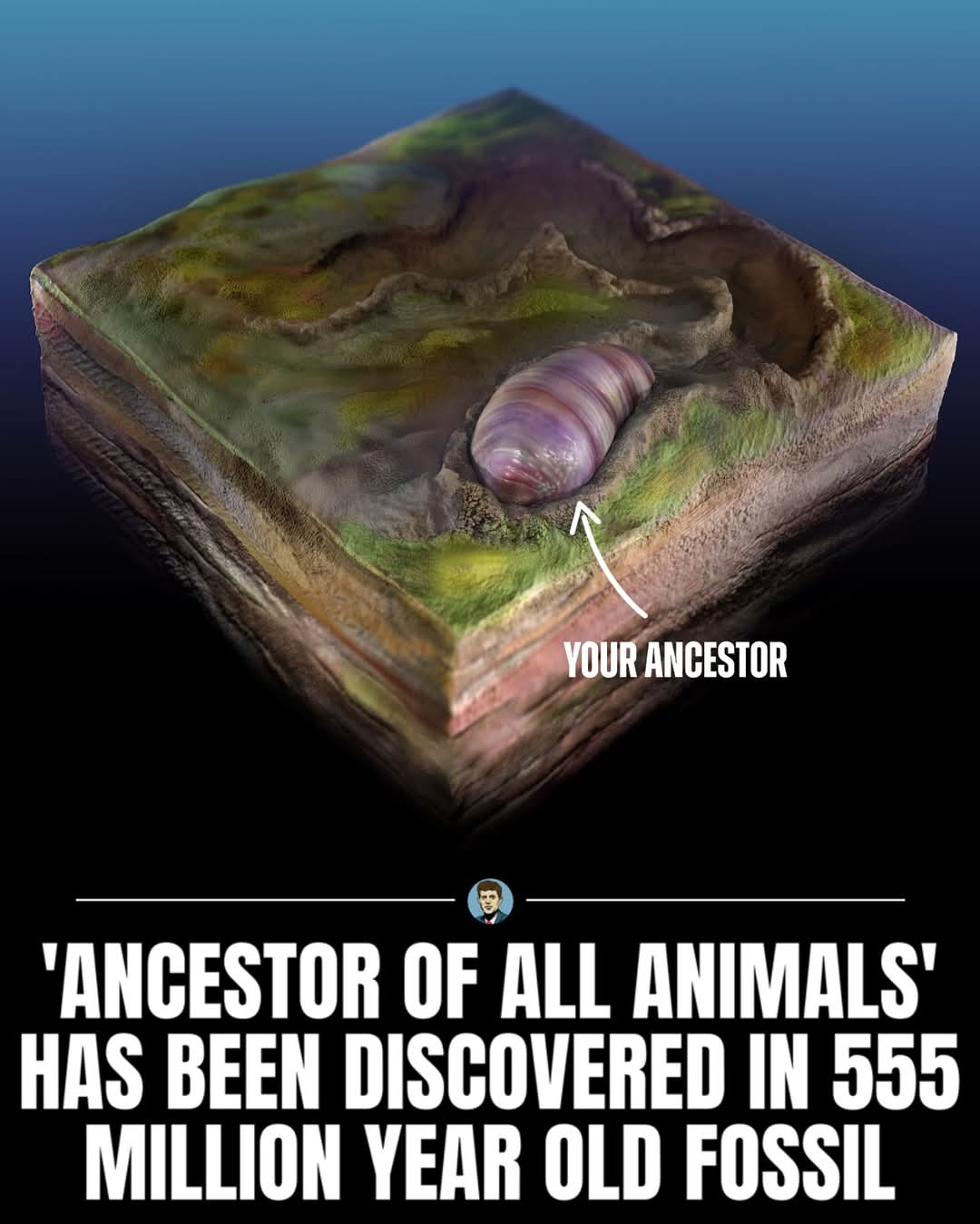
A team of geologists from UC Riverside has uncovered the earliest ancestor of the family tree that includes most familiar animals today, including humans! The tiny, wormlike creature, named Ikaria wariootia, represents the first known bilaterian—an organism with a front and back, symmetrical sides, and openings at both ends connected by a gut. This groundbreaking discovery is published today in the Proceedings of the National Academy of Sciences.
The earliest multicellular organisms, such as sponges and algal mats, had diverse and irregular shapes. These organisms, collectively known as the Ediacaran Biota, represent the oldest fossils of complex, multicellular life. However, most of these organisms are not directly related to modern animals. For example, the lily pad-shaped Dickinsonia lacked essential animal features like a mouth or a gut.


 Apr 23 2025, 05:43 PM, updated 8 months ago


 Quote
Quote















 0.0144sec
 0.43
0.43
 5 queries
 GZIP Disabled