QUOTE(constant_weight @ Feb 9 2024, 05:58 PM)
We don't know, that's exactly the point.
Just as we don't know how strong UR bar is.
It is at your own risk.
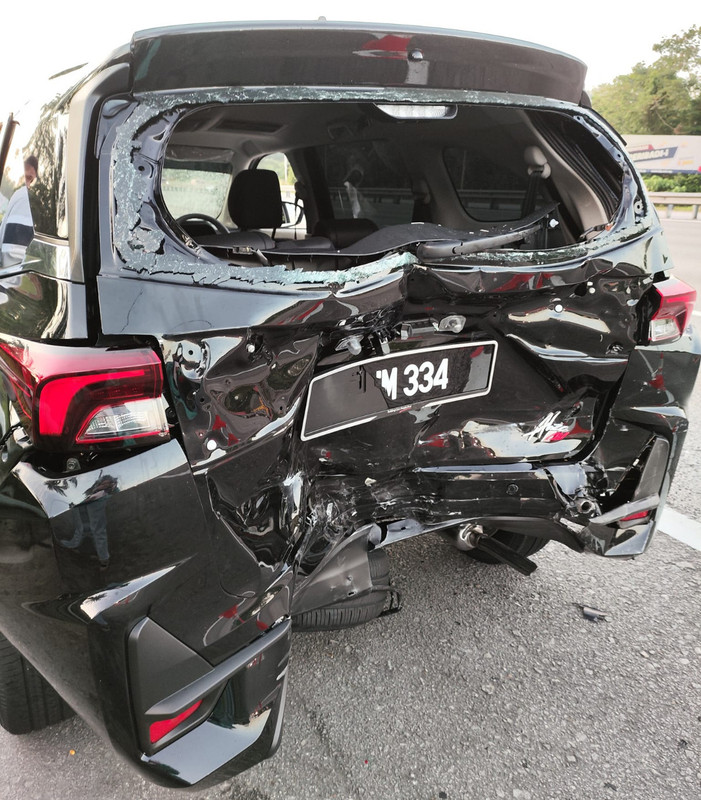
Later low speed 10-15km/h collision, initially only need to repair bumper and trunk. Now become chassis misaligned, repeat wheel alignment also off.
Maybe no problem at all, who knows.
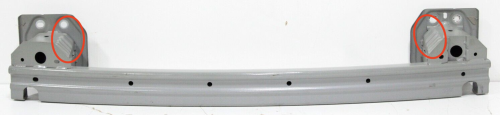
Now, I strongly against car marker for not installing the bar.
Only we need something proper design, structural calculated, at least in simulation.
If only UR can provide data, which I doubt.
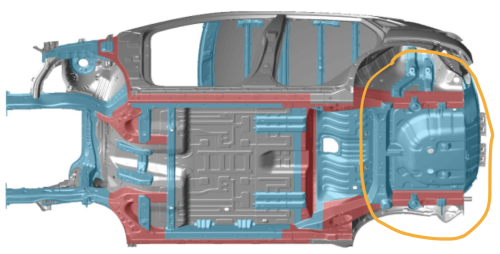
If you don't have information on the strength of the main chassis or frame of the car, then it is incorrect for you to state that the frame is insufficient or not strong enough to support the additional anti-collision bar.
I'm not sure about automotive design but there will be parameters in the design which not only take into consideration the strength and weight of the materials involved but collision force which will vary with different impact scenarios. It's just a matter of having varied protection levels from low to high. Having a certain level of protection is surely better than none at all. Of course one can desire to have the maximum level of protection but the designer will need to take into account the overall cost of the vehicle as it needs to be economical to run (light) but at the same time a decent level of safety. A safe vehicle will usually be heavier due to thicker steel frame sections or some other reinforcement.
Since I'm typing on my handphone I try not to write too much. In my view, I reiterate for select vehicles such as MPVs which do not have any rear collision bars, it is surely much safer to have the bar installed than having none at all if there are occupants sitting in the 3rd row. It's a choice that a person makes, whether a human life is more important or your argument that the bar won't help since the frame of the car is not strong enough. The bar will surely help to a certain extent depending on the severity of the collision. Without the bar the impact of collision will be direct to the occupants sitting in the 3rd row, and if it's a strong impact things will just get worse. With the anti collision bar, the forces will be transmitted to the bar and to the main frame of the vehicle.
As for proper design and structural calculation, even though there are numbers, it won't be too useful as it will depend on the severity of impact as mentioned earlier, which is the force of the collision. To design to the worst case max scenario everything will need to be strengthened or beefed up which will add to the cost. The point that I'm trying to convey is very simple. It is better to have a bar take the direct force of impact rather than none. The question of whether the bar will be successful in operation, that is unknown since the force of collision is unknown but it will surely be safer with one than none.
Still don't agree??
This post has been edited by SportyHandling: Feb 9 2024, 07:11 PM 

 Feb 8 2024, 02:33 PM


 Quote
Quote






 0.0190sec
 0.50
0.50
 5 queries
 GZIP Disabled