

 Jul 14 2023, 09:00 AM, updated 3y ago


QUOTE
Hazards and Solutions
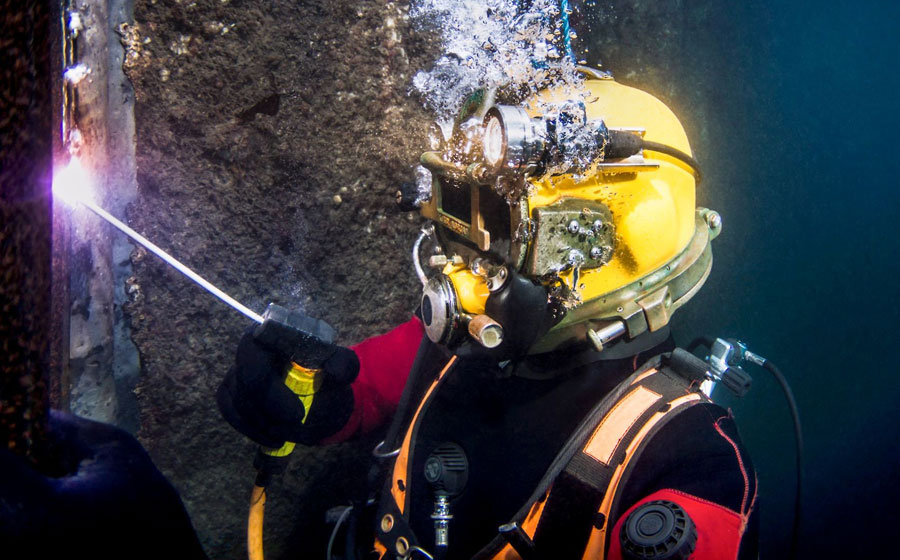
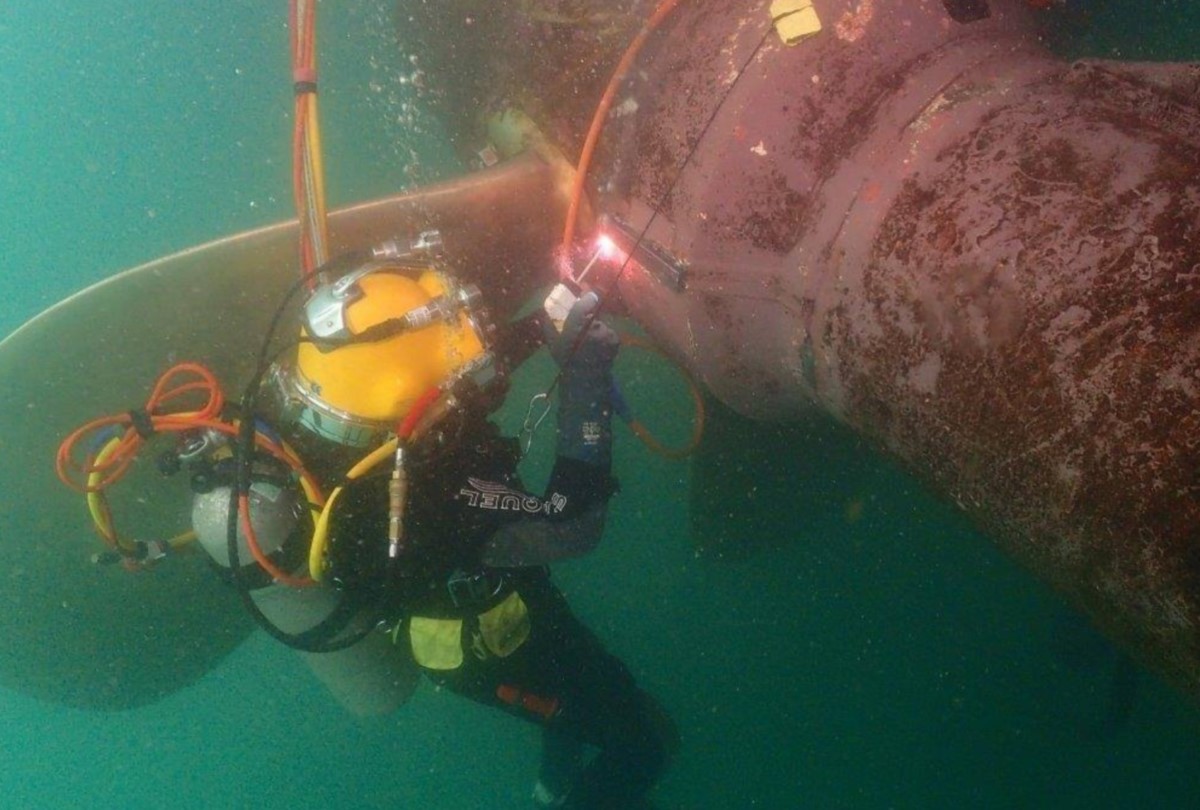
Commercial divers are exposed not only to the possibility of drowning but also to a variety of occupational safety and health hazards such as respiratory and circulatory risks, hypothermia, low visibility, and physical injury from the operation of heavy equipment under water. The type, length, frequency of dive and the type of operation increase the already high risk of this strenuous work. Additional hazards are also associated with the actual work, such as underwater cutting and welding, materials handling, hull scrubbing, and use of hand and power tools. The following references aid in recognizing and controlling commercial diving hazards.
A common type of health hazard associated with commercial diving is "Dysbarism." Dysbarism is a generic term applicable to any adverse health effect due to a difference between ambient pressure and the total gas pressure in tissues, fluids, or cavities of the body (1-7).
Examining Fatal Shipyard Accidents. OSHA Video. Provides animated re-enactments of fatal accidents investigated by OSHA.
Commercial divers are exposed not only to the possibility of drowning but also to a variety of occupational safety and health hazards such as respiratory and circulatory risks, hypothermia, low visibility, and physical injury from the operation of heavy equipment under water. The type, length, frequency of dive and the type of operation increase the already high risk of this strenuous work. Additional hazards are also associated with the actual work, such as underwater cutting and welding, materials handling, hull scrubbing, and use of hand and power tools. The following references aid in recognizing and controlling commercial diving hazards.
A common type of health hazard associated with commercial diving is "Dysbarism." Dysbarism is a generic term applicable to any adverse health effect due to a difference between ambient pressure and the total gas pressure in tissues, fluids, or cavities of the body (1-7).
Examining Fatal Shipyard Accidents. OSHA Video. Provides animated re-enactments of fatal accidents investigated by OSHA.
Common Dysbarisms
Divers face an array of unique health hazards. The first two effects below are associated with hyperbaric conditions; the latter three occur due to changing pressures:
Gas narcosis caused by nitrogen in normal air dissolving into nervous tissue during dives of more than 120 feet [35 m]. Helium, substituted for nitrogen in "mixed-gas diving," can cause an effect called High Pressure Nervous Syndrome beyond 500 feet of salt water (fsw).
Gas toxicities caused by oxygen and carbon dioxide. The damage of oxygen to the lung and brain will vary with partial pressure above one atmosphere and time of exposure and is a concern when the molar fraction of oxygen is increased, as in NITROX diving. The effect of carbon dioxide changes from a respiration stimulant at normal partial pressures of 15-40 mm Hg to a respiration suppressor above 80 mm Hg.
Pain due to expanding or contracting trapped gases, potentially leading to Barotrauma. This acute symptom and potential damage can occur either during ascent or descent, but are potentially most severe when gases are expanding.
Decompression sickness [DCS] due to the evolution of inert gas bubbles, in vivo. Acute symptoms of DCS can occur during a decrease in pressure, but they occur most commonly soon after the ascent has been completed.
Dysbaric Osteonecrosis is detectable bone lesions most commonly on the body's long bones. Although its etiology is unknown, this chronic disease may be related to the evolution of gas bubbles that may or may not be diagnosed as a decompression sickness.
Other hazards presented to divers include microbes and parasites (3, 7-9), noise (3, 7, 10, 11), fire (3, 12) and chemicals during underwater cleanup operations.(3)
osha.gov
What is the injury rate for commercial divers?
According to published data, approximately 80 divers lose their lives in the United States and Canada every year due to scuba diving accidents. This represents a rate of approximately 3.4 to 4.2 deaths per 100,000 divers according to the scuba diver organization DAN America.
Underwater Diver Pay Rate in Malaysia
On average, an Underwater Diver in Malaysia can earn around MYR 5,000 to MYR 10,000 per month in the oil and gas industry. However, the salary can go up to MYR 20,000 per month or more for more complex and riskier tasks. Please note that these are approximate figures and actual salaries may vary.
Source: source
How much do commercial divers make globally ?
Commercial divers earn an average yearly salary of $60,360. Wages typically start from $37,130 and go up to $160,110.
career salary
And this is not even covering as freelance divers or own business. Above is for employed salary
What is the daily rate for a Commercial Diver?
Inshore divers carrying out unskilled work can earn around £100 to £120 a day. On average, they work around 180-200 days a year. However divers working regularly on offshore wind projects can earn up to £100,000 a year. Offshore divers in Scotland can earn around £600 a day.
UK rate
This post has been edited by bananajoe: Jul 14 2023, 09:01 AM
 Quote
Quote






 0.0244sec
 0.57
0.57
 5 queries
 GZIP Disabled