

 May 19 2023, 10:09 AM, updated 3y ago


Creating a Sense of Comfort:
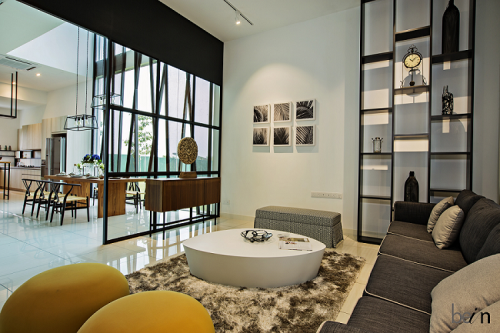
One of the primary goals of interior design is to create a sense of comfort within a space. Research suggests that certain design elements, such as soft textures, warm colors, and natural lighting, can evoke feelings of relaxation and ease. Incorporating elements like plush cushions, cozy rugs, and ergonomic furniture not only enhances physical comfort but also contributes to a positive emotional experience.
The Power of Colors:
Colors play a pivotal role in shaping our psychological responses to interior spaces. Different colors evoke distinct emotions and can greatly influence our mood. For example, vibrant hues like red and orange tend to stimulate energy and excitement, making them ideal for social areas. On the other hand, cool shades like blue and green promote calmness and serenity, making them well-suited for bedrooms or meditation spaces. Understanding color psychology allows designers to create spaces that evoke desired emotions and behaviors.
Spatial Layout and Functionality:
The spatial layout of an interior has a profound impact on how we navigate and interact within a space. Designing with functionality in mind can enhance our efficiency and overall satisfaction. Well-placed furniture, clear pathways, and intuitive spatial organization contribute to a sense of order and ease. Additionally, incorporating elements such as open floor plans, which encourage social interaction, or private nooks for solitude, allows individuals to tailor their experience based on their needs and preferences.
The Role of Lighting:
Lighting is a key factor in setting the ambiance and mood of interior space. Natural light has been found to positively affect our well-being, promoting productivity, mood elevation, and even better sleep. Maximizing natural light through well-positioned windows or skylights can create a sense of connection to the outside world, enhance our circadian rhythm, and boost overall mental health. Additionally, incorporating adjustable artificial lighting allows individuals to customize the atmosphere to suit specific tasks or desired moods.
Incorporating Nature: Bringing elements of nature into interior spaces has been proven to have numerous psychological benefits. Biophilic design, which integrates natural materials, plants, and organic shapes, can reduce stress, improve cognitive function, and enhance overall happiness. Greenery can be introduced through potted plants, vertical gardens, or natural materials such as wood and stone. By connecting us to the natural world, these design choices can create a sense of calm, restoration, and vitality.
Personalization and Individuality: Designing interior spaces that reflect personal taste and individuality can significantly impact our well-being. Personalization allows individuals to establish a sense of ownership, identity, and emotional attachment to their surroundings. By incorporating personal mementos, cherished artwork, or unique décor items, designers can create spaces that are not only aesthetically pleasing but also deeply meaningful and supportive of our emotional needs.
In conclusion, the psychology of interior space demonstrates the profound influence that design choices can have on our minds, emotions, and behaviors. By understanding the impact of colors, textures, lighting, spatial layout, and nature, designers can create environments that promote comfort, relaxation, creativity, and productivity. Whether it's in our homes, workplaces, or public spaces, the thoughtful application of interior design principles can enhance our overall
 Quote
Quote


 0.0122sec
 0.35
0.35
 5 queries
 GZIP Disabled