

Aircon HVAC tech please help
|
|
 Feb 23 2022, 01:07 AM, updated 4y ago Feb 23 2022, 01:07 AM, updated 4y ago
Return to original view | Post
#1
|
 
Junior Member
863 posts Joined: Apr 2019 
|
Why in Malaysia, we dont check the aircon gas charge level by measuring subcooling? in fact when I look at my panasonic plate spec it doesnt even list the subcool spec. Aircon guy come check the charge by just hooking up the manifold gauge and looking at the pressure (without even turning on the aircon).
|
 Quote
Quote|
|
|
|
|
Feb 23 2022, 01:20 AM
Return to original view | Post
#2
|
|
Junior Member
863 posts Joined: Apr 2019
|
QUOTE(teslaman @ Feb 23 2022, 01:16 AM) for car or for home? home. looking at the panasonic service manual it says just to check the gas side pressure and outlet tempereture to determine if refrigerant is sufficient. This post has been edited by diffyhelman2: Feb 23 2022, 01:20 AM |
|
|
Feb 23 2022, 01:22 AM
Return to original view | Post
#3
|
|
Junior Member
863 posts Joined: Apr 2019
|
QUOTE(zuozi @ Feb 23 2022, 01:20 AM) Malaysia without 4 season western country different their ac can reverse as heater there are pro and con this is concerning. so lets say they disconnect the cooling coil to bring outside to wash, then just reassemle without pulling vacuum? with R22 I think thats less sensitive to moisture but R410 I heard must always pull vacuum.In Malaysia most ac mam drop by without vacuum after disassemble ac unit below 2hp unless owner requested Malaysia labor cheap AC also cheap after 8 year usage too much noise too much problem replacement cheaper than repair Of course you can learn all this proper way diy and maintain your own house ac, but you can buy ac servicing kit without removing whole indoor unit all those servicing unit sold at online with small water pressure pump already sufficient Im looking to get a manifold gauge as its relatively cheap (about RM100 on shopee) and can check the gas and condenser side pressure on my home and car. but confused why no one here checks the subcooling of the system. This post has been edited by diffyhelman2: Feb 23 2022, 01:23 AM |
|
|
Feb 23 2022, 01:28 AM
Return to original view | Post
#4
|
|
Junior Member
863 posts Joined: Apr 2019
|
QUOTE(teslaman @ Feb 23 2022, 01:25 AM) Run it and check pressure, use gauge. And topup, dont overfill. Dont forget change the cheap valve. thats the thing, how would you know if you are overfilled without measuring the subcooling/superheat? Here, the spec sheet from the panasonic service manual doesnt even list the subcooling/superheat spec. only the charge amount weight. 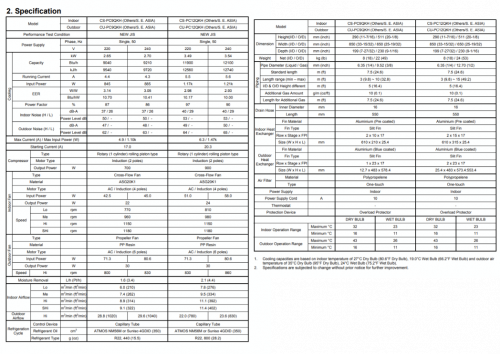 This post has been edited by diffyhelman2: Feb 23 2022, 02:02 AM |
|
|
Feb 23 2022, 02:53 AM
Return to original view | Post
#5
|
|
Junior Member
863 posts Joined: Apr 2019
|
QUOTE(teslaman @ Feb 23 2022, 02:51 AM) After initial full filled, you can rely on pressure, but if there is leak, just use low side pressure as indication. planning to check myself. eyesight? you mean sightglass?Typically you need to weight the gas bottle, else mere experiment / experience on right volume by weight. For car got eyesight, should have similar for house. You diy service / refill? |
|
|
Feb 23 2022, 09:44 AM
Return to original view | Post
#6
|
|
Junior Member
863 posts Joined: Apr 2019
|
QUOTE(stormer.lyn @ Feb 23 2022, 08:46 AM) The subcooling method is generally not used to check gas charge for domestic air conds in Malaysia as a TXV valve is not used in them. For orifice and piston metering devices, the super heat method is used. Yes, I did find an Australian technical website that gave detailed instructions on where and how much superheat is usually the case for orifice AC (about 3-5C). Still never seen a service guy (those people who provide aircon wash service) measure the temp at cooling piping and compare with the saturation temp from the low side pressure reading. they just measure the the low side pressure and call it a day.There are many threads about which air cond is the best and most reliable, but I think that it actually comes down to the quality of the installer that determines it. No manufacturer is knowingly going to sell thousands of sub-par lemon air cond units and have to deal with the fallout of the units failing. But installers? Install, take the money and disappear, no cares given. Greg, from AC Service Tech on the YT channel you linked is a good resource. A good install follows all the steps he describes and takes. This means having proper knowledge, and all the tools that is required. I warn you that having a complete set of tools is not cheap, and you may want to consider if you can rent them for occasional use, if installing/servicing is not your money making business. Full disclosure : I am learning how to install and service air conditioning units, done properly, to supplement my income from my electronic/electrical/maintenance business. So far, after months of learning, I still have not installed a single air cond for a customer yet, as I can't confidently say I'm doing it correctly! I have repaired/serviced for friends and family at no charge to get experience though 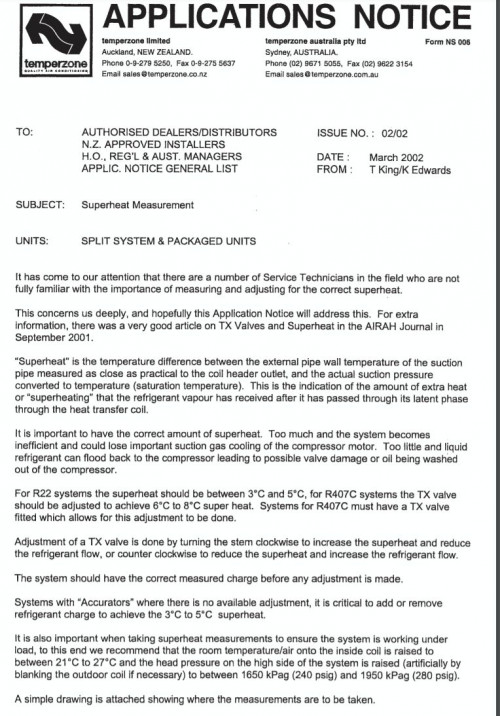 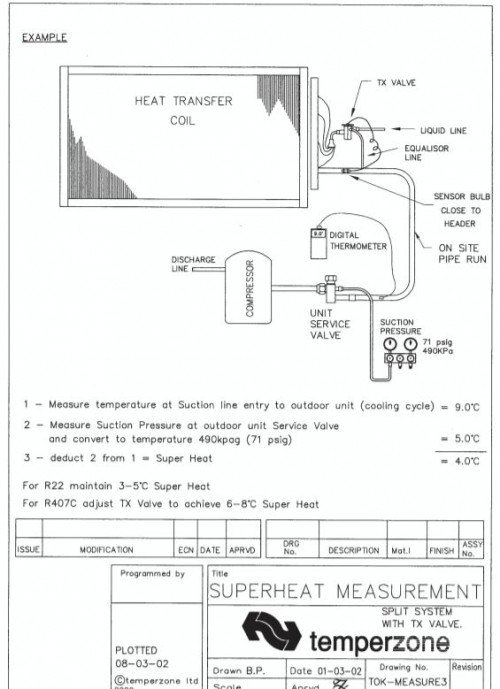 QUOTE Many, many years ago, I did see an installer use a vacuum pump to pull vacuum for an air conditioner, but since then, apa pun tada. Once you open up the system to atmosphere, they dont bother to evacuate (pull vacuum) on the AC? is it because R22 is less sensitive to moisture? I know most car aircon shop will pull vacuum when they reinstall a condenser compressor etc. This post has been edited by diffyhelman2: Feb 23 2022, 09:50 AM |
|
|
|
|
|
Feb 23 2022, 01:02 PM
Return to original view | IPv6 | Post
#7
|
|
Junior Member
863 posts Joined: Apr 2019
|
QUOTE(teslaman @ Feb 23 2022, 12:48 PM) ah yes sight glass Not all got. My Honda city no sight glass, same as waja but perodua one got. But the sightglass on r134a system doesnt seem very useful, because when compressor kick in there is a lot of foaming also even though full charge.one more is u can fee the low pressure line chilled need to find sweetspot overall cheap to DIY especially if got many units at home |
|
|
Feb 23 2022, 10:33 PM
Return to original view | Post
#8
|
|
Junior Member
863 posts Joined: Apr 2019
|
QUOTE(stormer.lyn @ Feb 23 2022, 09:29 PM) Car systems are vacuumed as the machine they use does it automatically. You don't have to hook up a separate pump, run it, and then watch the gauges. Thanks for the detailed insider reply. --- Here is the short form of checking if there is enough refrigerant in your air cond: 1. Find the Target Superheat for the room Measure indoor Wet Bulb temperature, and outdoor Dry Bulb temperature, then refer to Superheat chart. 2. Find the [b]Total Superheat for the air cond unit[/B] Measure the gas line temperature - the saturation temperature of the core 3. Determine to add, remove, or maintain refrigerant gas based on Total Superheat being larger, smaller, or equal to the Target Superheat. one thing about vacuuming is it takes time....some say need to pull vacuum at least one hour (most car shops who have the machine say this), so residential customer may not have the patience either. the funny thing is I have looked high and low for my Panasonic R22 split unit and there is no superheat spec written anywhere (not on the outdoor compressor plate either). Nor is it in the service manual. I think the general rule of thumb of 3-5C superheat for R22 split unit should be sufficient la for shade tree amateur (see post #12). Thats a lot better already than 90% of the 'AC service' tech advertising on FB etc who dont even know about superheat. This post has been edited by diffyhelman2: Feb 23 2022, 10:34 PM |
|
|
Mar 15 2022, 11:50 AM
Return to original view | Post
#9
|
|
Junior Member
863 posts Joined: Apr 2019
|
Just to update this thread, enquired with a couple of those aircon installers offerign their services on Shopee Lazada etc. Reviews are full of praise from customers, but guess what? all are talking about neat wiring, piping, kept the place clean while install fast service etc.
When I ask them "do you pull vacuum before releasing the refrigerant", they all say no! I wonder then...how are these guys purging air and moisture from the lineset? do they even purge? at least release some air from the fittings la.... these guys charge about 300 for a 1.5hp install... so I guess if want a professional one that vacuum the lineset its going to be 500? This post has been edited by diffyhelman2: Mar 15 2022, 11:52 AM |
|
|
Mar 15 2022, 03:56 PM
Return to original view | IPv6 | Post
#10
|
|
Junior Member
863 posts Joined: Apr 2019
|
QUOTE(mini orchard @ Mar 15 2022, 12:33 PM) How do you think the tech will purge the lineset ? Release gas at the fitting? |
|
|
Mar 15 2022, 04:45 PM
Return to original view | IPv6 | Post
#11
|
|
Junior Member
863 posts Joined: Apr 2019
|
QUOTE(mini orchard @ Mar 15 2022, 03:59 PM) What good is then new units come with factory prefilled gas ? May as well sell 'kosong' I mean after connecting outdoor unit to indoor unit but before releasing the prefilled refrigerantt in the compressor into the line set, they purge the air by charging the lineset only with some gas and then loosen the nut fitting slightly to push out the air in the lineset). Or is this step not even done? In the service manual they are supposed to vacuum the line set before opening the service valves that will release the prefilled gas. They will always be some air in the lineset since they are open to the atmosphere before connecting the outdoor and indoor unit. You seem like a tech in hvac? If so can tell me why most tech here seem to not even vacuum the lineset and don’t have issues with moisture and air in the system after a while? This post has been edited by diffyhelman2: Mar 15 2022, 04:50 PM |

| Change to: |  0.0278sec 0.0278sec
 1.69 1.69
 7 queries 7 queries
 GZIP Disabled GZIP Disabled
Time is now: 19th December 2025 - 08:17 PM |
All Rights Reserved © 2002- 2025 Vijandren Ramadass (~unite against racism~)
Powered by Invision Power Board © 2025 IPS, Inc.