Outline ·
[ Standard ] ·
Linear+
Chinchilla- Totoro, All are welcome!
|
michael2wk
|
 Apr 28 2008, 01:29 PM Apr 28 2008, 01:29 PM
|
Getting Started


|
QUOTE(Chinchillas @ Apr 28 2008, 12:56 AM) I will not suggest that. Chinchilla in the wild is eating dried leave, root, bark..etc. They origin from a very dry and cold climate, and their digestive system is design to eat dried food, not fresh green. Fresh green is a no no for chinchilla, even tho some chin owner still feed them tiny piece of dried apple, even is dried, I will not encourage chin owner doing it, because of the high sugar content which chinchilla cannot handle. Good pellet and hay is all chinchilla need, they thrive on a simple, high energy, low fat and high fiber diet, not fresh green or any treat is needed.
Added on April 28, 2008, 11:37 amPhotos of Snowball. 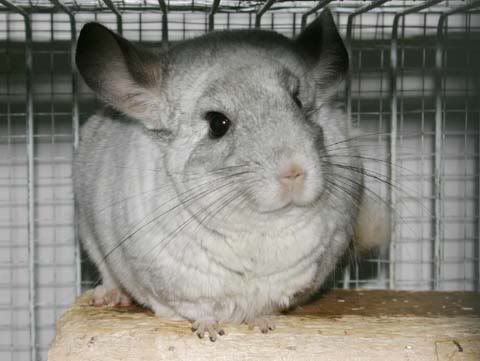 Snowball's husband Zolro 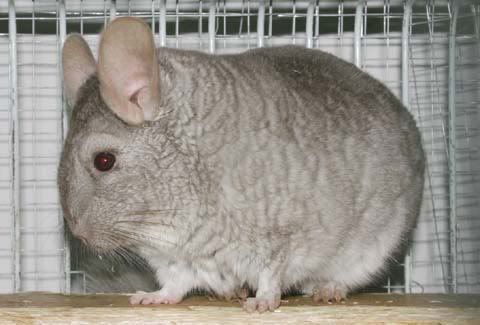 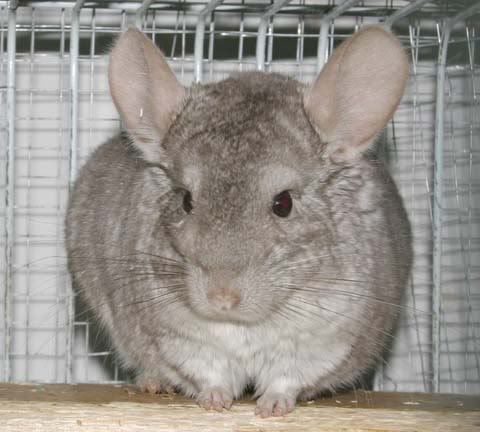 bro, u r the best guy to ask for question on chin's stuff.  u. btw plannin to get 1 for my wife since dog is out of the question. any breeder to intro? how much for tontoro btw? cheers!  |
|
|
|
|
|
michael2wk
|
Apr 28 2008, 03:08 PM
|
Getting Started
|
QUOTE(Chinchillas @ Apr 28 2008, 03:01 PM) pai seh, pai seh.  Well, currently I have not meet any breeder yet, if you wish to get a chinchilla, currently pet wonderland and safari at Ikano power centre have some available. I am currently keeping all the offspring. Price range depend on colour, you may need to visit pet shop to find out, difference shop sell difference price. Just get ready of RM1.5K to get started(Chin, cage , pellet, etc.) Secondly, very important is to know what is chinchilla and how to take care of them, cause they cannot be treated like a hamster or rabbit or guinea pig. Here is some simple guide line :
Chinchillas, originating from mountaineous regions of South America, are great pets - cute, social, yet inexpensive and relatively easy to take care of. However, most beginner chinchilla owners don't know much about the animals. In fact, chinchillas, like other small rodents, can be rather delicate and an illness contracted for instance by a cold draft can be fatal for them within a very short period of time.
The most common mistakes made by inexperienced chinchilla owners include the following:
10) Wrong cage placement. Both too hot or too cold temperatures are bad for chinchillas. They can easily get heatstroke at temperatures of above 90F (30C), but can also freeze at temperatures below 50F (10C). Drafts are to be avoided as well, since they can cause pneumonia.
9) Mistakes when handling. The correct way to pick up and hold a chinchilla is by placing one hand below the body, with the thumb around a front leg, and supporting the weight with the second hand below the hindquarters. Never pull a chinchilla by the tail since it has a lot of delicate vertebrae which can break easily.
8) Not giving the chin a chance to take a regular dust bath. Dust baths are essential for chinchilla hygiene, and a fun spectacle to observe, too. Chinchillas should have the chance to take a dust bath at least once a week.
7) Using a wire mesh bottom cage. This is not a very good idea since chinchillas' small feet can slip through the mesh and get irritated by the metal, causing foot sores. A solid floor cage with a soft bedding like pelleted paper is much better.
6) Overfeeding treats. Many a newbie owner is all too happy feeding sweets and treats to a chinchilla, unaware that it is in fact harmful for the animal. Treats like a raisin should only be fed occasionally, maximum once a day. Things containing chocolate and industrial sugar should not be fed at all.
5) Not making the house chinchilla-proof. There are numerous dangers in a typical household for a chin on the loose. The most obvious ones include anything that moves - be it people, doors, things that can fall down, or anything that can squeeze. Another one is cables - chinchillas chew everything in sight, and electric cables are not very healthy food! Green plants are another potential threat to chinchilla health - a lot of them (such as ficus or azalea) cause food poisoning if chewed on.
4) Not cleaning the cage regularly and often enough. Chinchillas are clean animals and feel miserable in a dirty cage. Bad hygiene is often one of the main reasons for infections and various serious diseases. A chinchilla cage should be thoroughly cleaned at least once a week (better twice), with the whole bedding renewed. Food bowls and the water tube should be cleaned daily.
3) Not providing enough space and exercise. A sight seen very often is a chinchilla hunched in the corner of a small cage, barely moving from that spot all day. Combined with unrestricted dry food access, this is a sure way to make a chinchilla overweight and significantly reduce its lifespan. For chinchillas, the same basic principle applies as for humans - leaner is better. A healthy chinchilla should feel firm to the touch below the fur, not soft and wobbly. Methods to ensure that your chin is in good shape and not overweight include enough space (at least 9 sq.ft for an adult chinchilla), toys to play with, an exercise wheel, and regular exploration forays outside of the cage.
2) Incorrect bedding. Wood shavings in particular, although very frequently used, are not a good bedding for chinchillas. They can cause foot sores and injuries to the chins' delicate eyes. Also, the wood dust which often accompanies shavings causes respiratory (lung) problems. Some kinds of wood, such as cedar or redwood, also contain oily components that can cause liver damage.
1) Improper food. This is probably the most frequent cause of illnesses among pet chinchillas. In particular, feeding a lot of moist vegetables such as lettuce can cause diarrhea, which can be lethal for a chinchilla within one or two days. Insufficient access to water (for instance, failure to notice that a gravity water bottle's ball was stuck and the chinchilla cannot drink enough) leads to dehydration and is also quite dangerous. Providing water in open bowls instead of a bottle can lead to contamination with droppings and bedding material and various infections as a result.
By avoiding these mistakes you are on a good way towards having a healthy and happy chinchilla with a long lifespan (perhaps over 20 years!). However, there are more issues that we could not cover in this short article.Here is few website is good for to read to get ready before buy a chin back home.1. Chincare.net2. US Auction chinchillas.com3. greenwoodchinchillas4. azure-chinchilla1.5 k for with cage n acc. well contemplating over ferret or chins la. maybe next off spring sell me one can? too much to handle now. lovebirds just lay eggs! hope can hatch this round cheers! |
|
|
|
|
|
michael2wk
|
Apr 28 2008, 06:39 PM
|
Getting Started
|
QUOTE(Chinchillas @ Apr 28 2008, 05:13 PM) No problem. I would like to see your lovebird's eggs!!!! Can you please post few pictures here? I am very curious to see the lovebird's eggs!  General knowledge is, bird need hay to make nest, give them lot of hay to make nest, so it can hatch! well.. this is the 10th round of eggs. only 2 manage to hatch. will try to look 4 the egg pic n post ok. tryin to locate a video how they make love n post 2. very the horny. everyday have sex ok. even im standing there still doin it like in invisible. |
|
|
|
|



 Quote
Quote
 0.0343sec
 0.47
0.47
 7 queries
 GZIP Disabled