QUOTE(ayanami_tard @ Jan 1 2017, 08:23 AM)
this pipu have fought 2 wars and numerous armed conflict for the last 15 yrs. so i believe they know exactly what they need on the field compared to other militaries
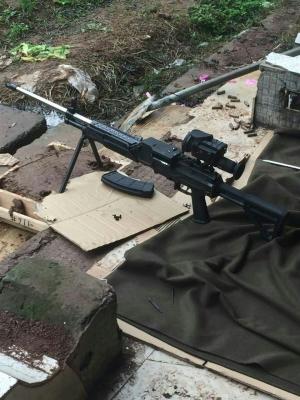
IAR, despite the apparent shortcoming, actually has solid reasoning with it. From the past experience in afghanistan and iraq, they learned that
>they dun really need m249 interchangeable barrel and other overbuilt feature during routine combat patrol, reducing weight
>it might be better to spread the ammo load to entire squad than 2 pipu carrying the mg and ammo belt
>the marines are never too far from support elements, so if they need something bigger ,they just call for fire suport
>surefire mag is a thing now
Besides the concept itself is never new. RPD and HK-21 are mgs that adapted the design from a service rifle while nowadays that polen new rifle and CZ805 oso have lmg variant
while that point is indeed valid, u also need to factor in what type of wars and armed conflict they have experienced in the last 15 years: thrashing 3rd world militaries and a long counterinsugency campaign. Unless they are planning to go to a conventional war with a peer or near peer adversary in the near future with COIN tactics I don't know what is going on with their acquisition policy.
While it is quite known that you can't fight a COIN tactics with conventional tactics, the same is on the flip side: you can't fight a conventional war with COIN tactics. Preparing for a conventional war would always be the priority of an armed force, no matter what the current geopolitical climate is.
I believe since they are so used to fighting lightly armed untrained militants that don't always need high volumes of firepower, they have been lulled into a sense of complacency and think all future wars would be the same type of fighting they have been using against the Taliban or other militants. Lighter, less capable equipment is acceptable and are always welcome when you are constantly going on long COIN patrols or on 'pacification' campaigns against small bands of lightly armed untrained militants that can be overcome by light weapons but how would they fare against a peer or near peer army with heavy conventional weapons?
What happens when the next time they face China or Russia in a conventional war, for example, with their own advanced capabilities? Nowadays they always can expect a UAV or attack plane will always be on point to assist with airstrikes or recon. Artillery fire support is just a radio call away.
What happens when they face an enemy that can shoot back and air/artillery support is not a 100% given fact?


 Military Thread V23
  Dec 30 2016, 09:24 PM


 Quote
Quote











 0.0281sec
 0.27
0.27
 6 queries
 GZIP Disabled