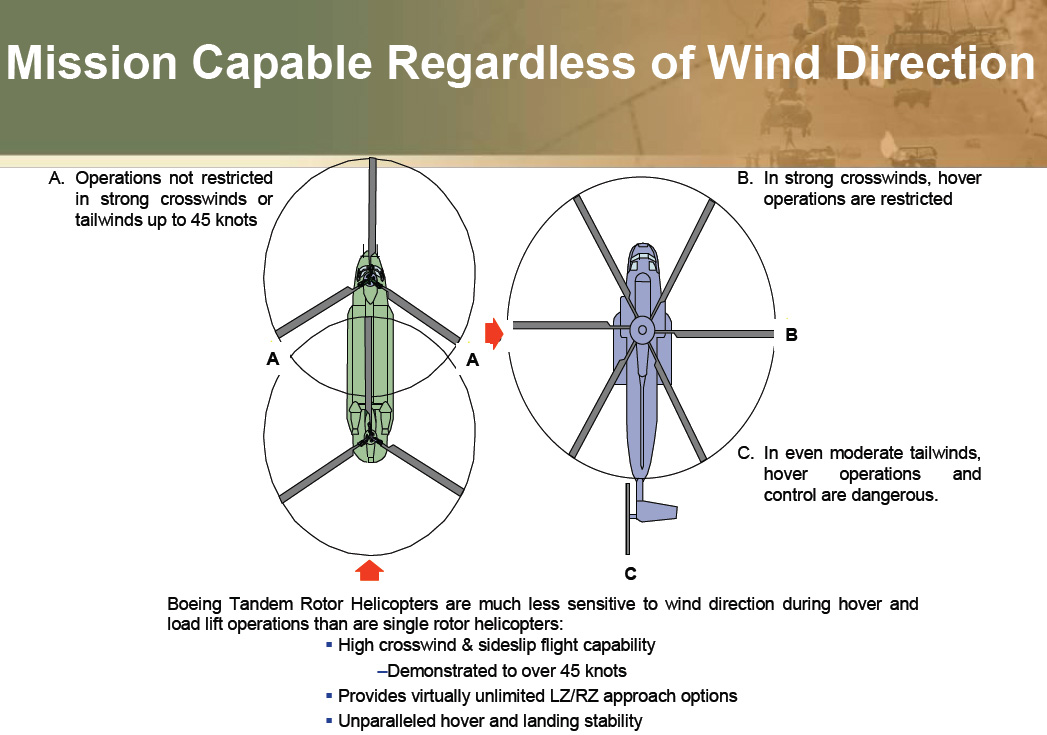
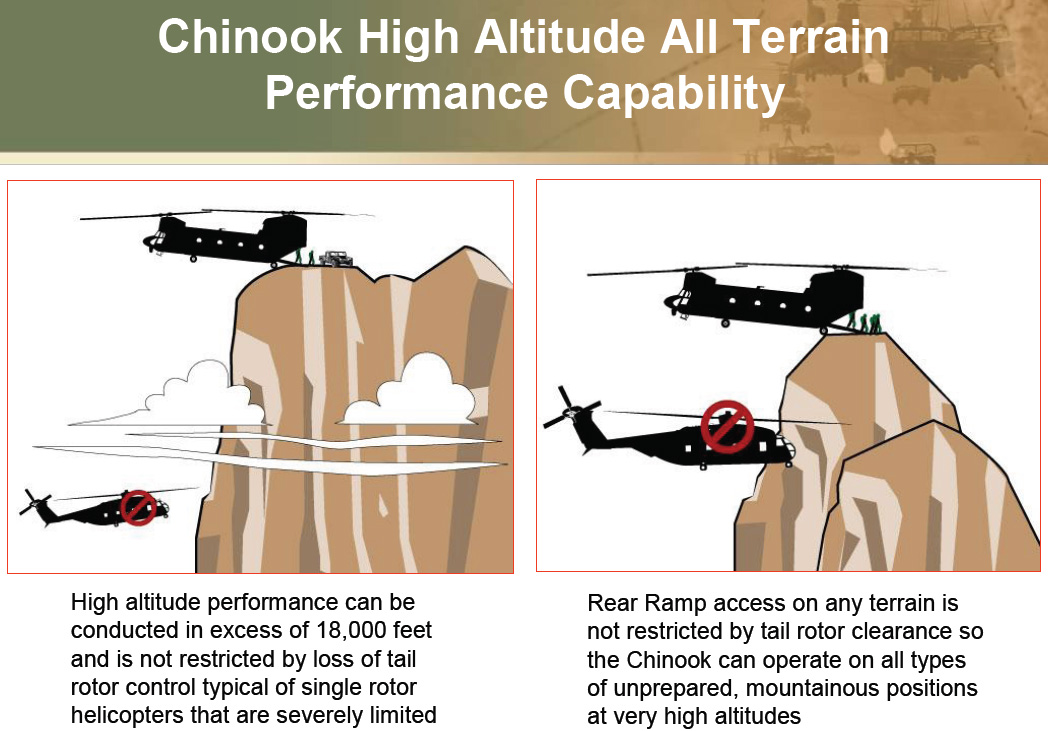
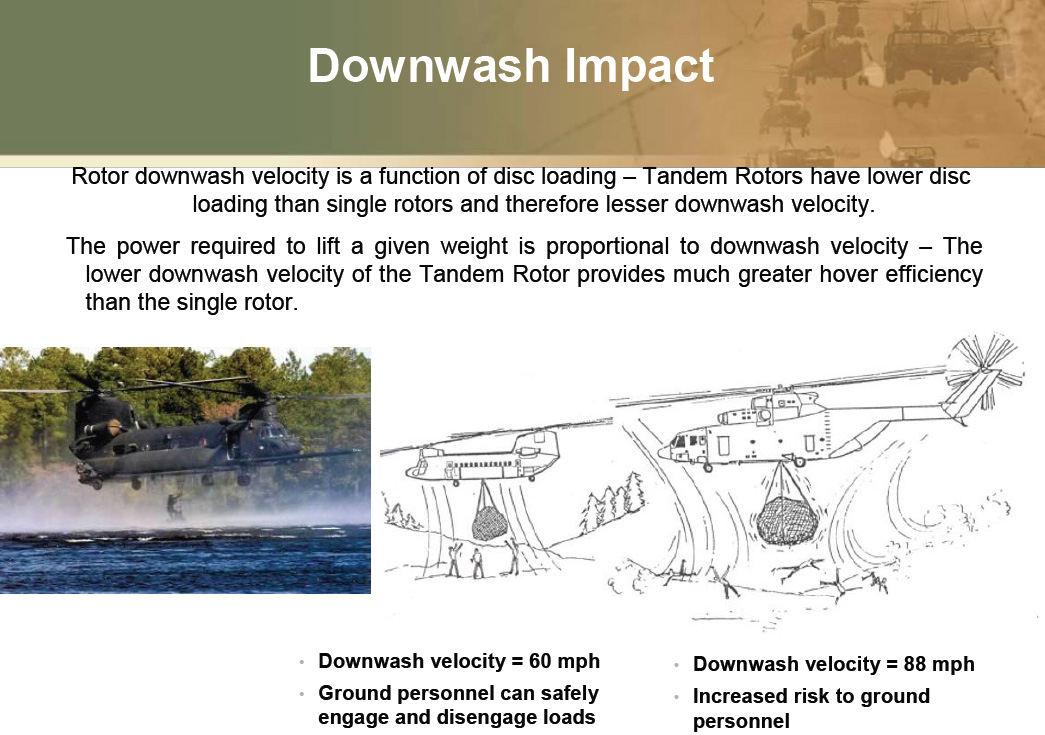
except can carry more payload due to it is Heavy helicopter. Chinook more suitable to Army in term of price/functionality. Boeing presentation Chinook VS Super Stallion to India, some Super Stallion modify to Mi-26
Syrian Army Within 10km of the Turkish Border in Northeastern Latakia After Capturing Ruweisat Al-Yaqoubar
The Syrian Arab Army’s 103rd Brigade of the Republican Guard continued their large-scale offensive in the Kurdish Mountains (Jabal Al-Akrad) of northeastern Latakia, capturing another imperative village in the aforementioned province from the Turkish-backed Islamist rebels of Jabhat Al-Nusra (Syrian Al-Qaeda group) and the Free Syrian Army’s “Liwaa Suqour Al-Ghaab” on Tuesday night.
According to a battlefield journalist that is embedded with the Syrian Armed Forces in northeastern Latakia, the Syrian Arab Army’s 103rd Brigade – in coordination with the National Defense Forces (NDF) of Qurdaha, the Syrian Social Nationalist Party (SSNP), and Muqawama Souri (Syrian Resistance) – imposed full control over the village of Ruweisat Al-Yaqoubar after advancing from the nearby town of Al-Ziyara in the Kurdish Mountains. In addition to their advance at the Kurdish Mountains, the Syrian Arab Army’s 103rd Brigade and their allies pushed past the Islamist rebel defenses at Beit Fares, seizing this village after an intense firefight with Jabhat Al-Nusra in the Turkmen Mountain (Jabal Al-Turkmen) of northern Latakia.
The Syrian Arab Army’s 103rd Brigade and their allies have already seized over 300 square kilometers of territory from the Islamist rebels in northern Latakia, leaving them only 10km from the Turkish border with Jabal Al-Akrad and Jabal Al-Turkmen.
INTERNATIONAL MILITARY REVIEW – SYRIA-IRAQ BATTLESPACE, DEC. 8, 2015
ISIS militants launched a full-scale offensive on the villages of Ayyash and Bgelia after the US-led ‘anti-ISIS’ coalition’s airstrikes against the Syrian Arab Army (SAA) in this area. On Sunday, the US-led ‘anti-ISIS’ coalition poundend the Syrian Arab Army’s positions in the province of Deir Ezzor. 1 soldier was killed and half dozen others were wounded. According to the reports, the military camp belongs to the SAA’s 137th Artillery Brigade in the village of ‘Ayyash was a main target of the US warplanes.
On Monday, the SAA launched an offensive in Jabal Al-Akrad and took control of Burj Al-Qasab. several It allowed the pro-government forces to capture several key locations earlier controlled by Al-Nusra, the Free Syrian Army and Harakat Ahrar Al-Sham in the Latakia province. They are the village of ‘Ikko located near the town of Kabani, and the villages of Bouz Al-Khirbat, Beit Fares, and Al-Mughayriyah. It allows the SAA and its allies to advance on Kabani.
On December 7, Iraqi Prime Minister Haider al-Abadi reiterated the withdrawl of Turkish troops from northern Iraq within 24 hours. Turkey were invited by the Kurdish Regional Government, with no coordination or communication with Baghdad. It has since said it will replace existing troops in Iraq that number a few hundred, with as many as 2000 soldiers. The Iraqi security forces and the Shi’ite militias are overstretched with their fight against ISIS and they have little presence in this Peshmerga controlled area. It can only be speculated that how Iraq will respond to the Turkish invasion once the 24 hour ultimatum expires.
The Kuwaiti al-Rai news website quoted an informed diplomat as saying that the US is attempting to gather the forces called by Washington as moderate opposition in one region to create a foothold for the militants’ further expansion in Syria. According to the report, US-supported militants have entered Southwestern Syria which shares borders with Jordan. The reports were rejected by Amman.
SouthFront: Analysis & Intelligence remembers when Russia started air raids on terrorists in Syria over two months ago, some 3,000 terrorists escaped through the border with Jordan. Earlier in May, US defense officials said that at least 400 US military military advicers were ready in Turkey and Jordan to start training of over 3,000 anti-Syria militants to join fight against the government of President Bashar al-Assad.
U.S. Navy Anti-Ship Tomahawk Set for Surface Ships, Subs Starting in 2021
By: Sam LaGrone
February 18, 2016 4:44 AM • Updated: February 17, 2016 9:56 PM
SAN DIEGO – Any U.S. Navy ship or submarine capable of firing a Tomahawk Land Attack Missile (TLAM) could be armed with an 1000-nautical mile anti-ship cruise missile in less than a decade, service officials told USNI News on Wednesday during the West 2016 conference.
Included in the Fiscal Year 2017 budget request to Congress is a $434 million ask over the next five years to modify 245 Raytheon TLAMS with a maritime attack capability, Vice Adm. Joseph Mulloy, deputy chief of naval operations for integration of capabilities and resources, told USNI News in a Wednesday interview.
“It won’t be all the Tomahawks but a good number of them coming off the line will have it,” he sadi. “It’s going for surface first and the submarines will encapsulate it.”
The budget moves follows a Naval Air Systems command (NAVAIR) proved a Block IV TLAM – a long range land attack weapon — could be guided into a moving maritime target during a test in early 2015.
The Navy had briefly fielded an anti-ship Tomahawk in the 1990s but the lower fidelity of contemporary sensors made the missile risky to use at long ranges for fear of hitting an unintended target.
Following the test, Deputy Secretary of Defense Bob Work called the prospect of a modified anti-ship Tomahawk, “a game changing capability.”
According to the plan laid out in the Navy budget (and blessed by big Pentagon) the maritime attack modified Tomahawk will enter the surface force in 2021 for live testing and then trickle out to every platform that can fire the missile – currently the Ticonderoga guided missile cruisers, Arleigh Burke guided missile destroyers the Navy’s attack submarine fleet (SSNs) and the four Ohio-class guided missile nuclear guided missile submarines (SSGNs).
The modification will be part of the Navy’s recertification and life extension of older Tomahawks, which – with new FY 2017 funding for new TLAMS – will be ultimately an inventory of 4,000 missiles.
When the service was programming the FY 2017 budget – which dipped three-and-a-half percent below 2016 projections – it told the Office of the Secretary of Defense it would like to have the capability but didn’t have the funds. OSD agreed and added the line item to the service’s budget, Mulloy said.
The move not only fits into the surface Navy’s ongoing distributed lethality philosophy that seeks to improve the offensive power of the service’s surface assets as quickly as finances allow but also adds a new weapon for submarines to take on surface threats.
Both the surface navy and the submarine force have had limited missile space to take on a myriad of threats and the Navy – until recently – had invested little into new ship-launched anti-surface missile efforts . But with the increasing speed of development of both China and Russia’s anti-surface weapons in the last several years, the ability to pierce the so-called anti-access aerial denial (A2/AD) bubbles designed to keep U.S. forces at arms length has become an increasing concern to the service.
“[Along with] our surface brothers and sisters, we got to get the long-range missile so we’re not held out by that A2/AD bubble and we have the stick to hit inside,” said Vice Adm. Joseph Tofalo, commander, Naval Submarine Forces (COMSUBFOR), said on Wednesday. “We need to diversify the kinds of targets our missiles can hit to include the introduction of an anti-ship version of the Tomahawk missile.”
The Navy’s submarines previously fielded a sub-launched version of Boeing’s Harpoon anti-ship missile (UGM-84A) but retired the line in 1997. The introduction of the anti-ship TLAM would be the first anti-surface weapon in the sub force since the Harpoons left the fleet.
News of the maritime TLAM follows Secretary of Defense Ash Carter’s announcement of the development of an anti-surface mode of the super sonic Raytheon Standard Missile 6 anti-air weapon (AAW). Combined with the Tomahawk investment, the pair will be the first new anti-surface system the service has fielded in decades.
“There’s a lot of things that we can do to make smart investments now to continue to change the calculus of our potential adversaries so as we execute the strategy they’ll wake up and say, ‘We didn’t see that one coming’,” said Vice Adm. Thomas Rowden, commander U.S. Surface Forces Pacific (SURFPAC) said on Wednesday.


 Military Thread V19
  Dec 10 2015, 12:03 AM, updated 10y ago




 Quote
Quote










 0.0572sec
 0.35
0.35
 7 queries
 GZIP Disabled