

 Dec 4 2006, 04:39 AM, updated 18y ago


The history of Snakes
Most modern of reptiles, the snake first appeared in the fossil record during the age of the dinosaurs. Thought to have been evolved from legless, cylindrical, burrowing lizzards, that grew specialized muscles and scales that changed colours and patterns over the generation to adapt to the world as we see them today.
Some evolved infrared heat sensors to find prey in total darkness, and others developed venom of such exquisite complexity, that they are yet to be manufactured through biotechnology or genetic engineering. Snakes are such remarkable, unique and successful animals that deserve our respect and admiration.
Fear of snakes?(ophidiphobic)
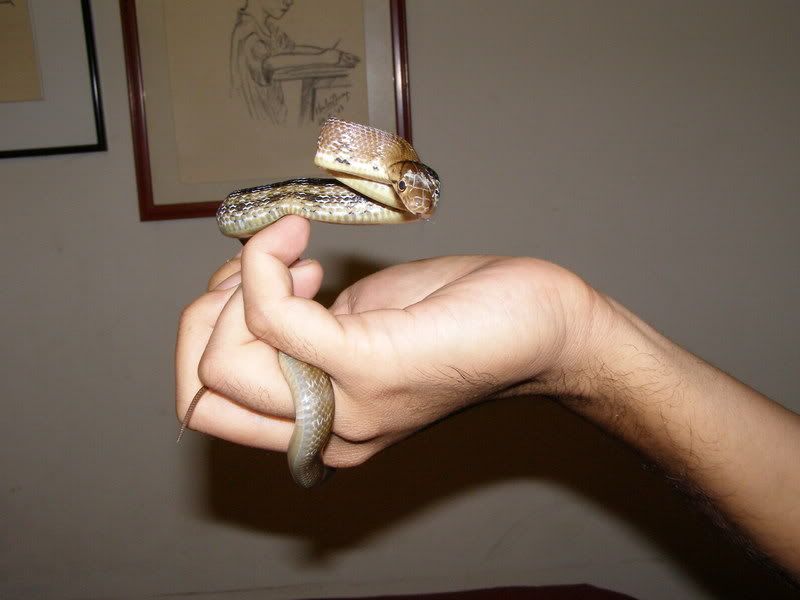
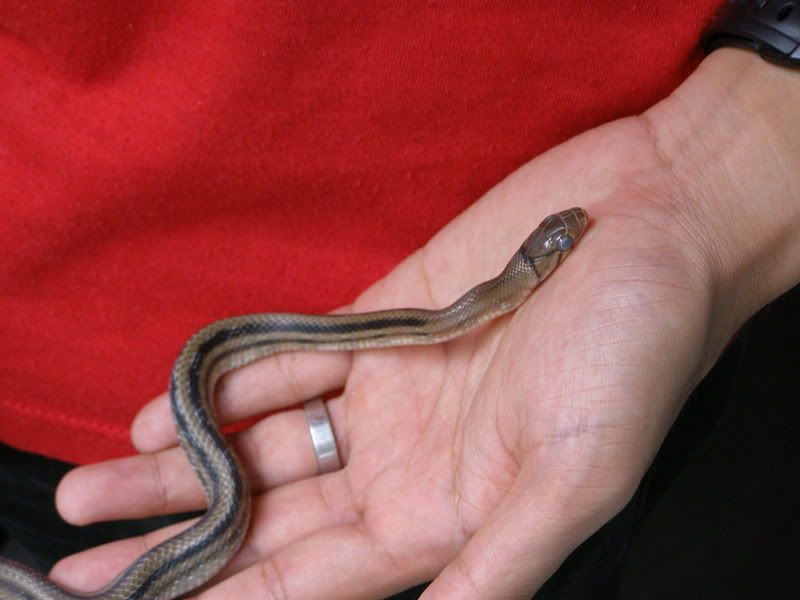
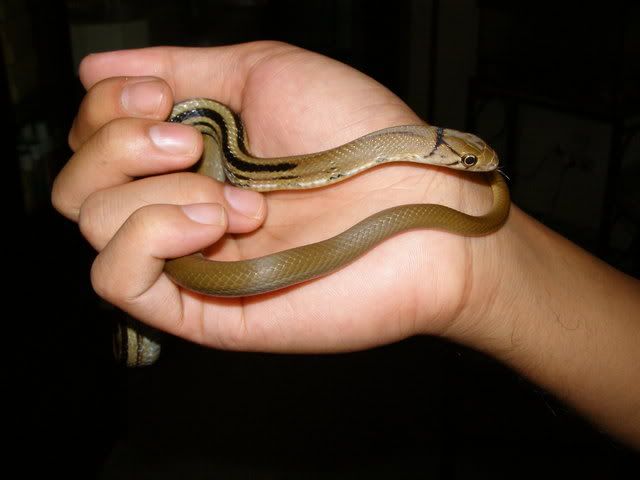
Many people fear snakes. Some through myth, belief and plain bad experiences, and some fear them because they are what they are. Believe it or not, snakes are not as evil as you think. Snakes suffer grieviously due to misunderstanding and irrational thinking. An innocent python could be clobbered to death by a teenager or a harmless striped kukri snake could be chopped in half simply because looked venomous. Through a wider insight and understanding toward these creatures, we can learn to respect rather than resent them.
Snakes Most Commonly Kept As Pets
PYTHONS
Burmese Pythons
[PICTURE : Anyone want to donate a nice burmese picture to display here? PM or email me at reannebunnykiller@gmail.com]
Burmese pythons are cool to have! Right? Wrong.
Are you prepared to have a pet that can grow more than 20 feet and weight more than 90kgs? Not to mention the rats, rabbits, chickens etc you need to buy weekly and cleaning loads of poo for the next, say, 25 years. If you're really lucky, the zoo may accept your burm when you can't take care of it anymore. If not, then you're stuck with it.
If you are prepared for all that, then go ahead.
Being the sixth largest snake in the world, the docile burmese python are constrictors(non-venomous) and males grow from 8 to 17 feet whereas females, being larger than their male counterparts, grow from 13 to 20 feet.
Burmese pythons breed early in the spring months. The females lay 12-100 eggs, gather and coil around them to incubate them. They will lay coiled around the eggs until they hatch. They will never leave the eggs to eat. Once the baby pythons are hatched, they must learn to exist alone and fend for themselves.
Recticulated Pythons (coming soon)
Blood Pythons
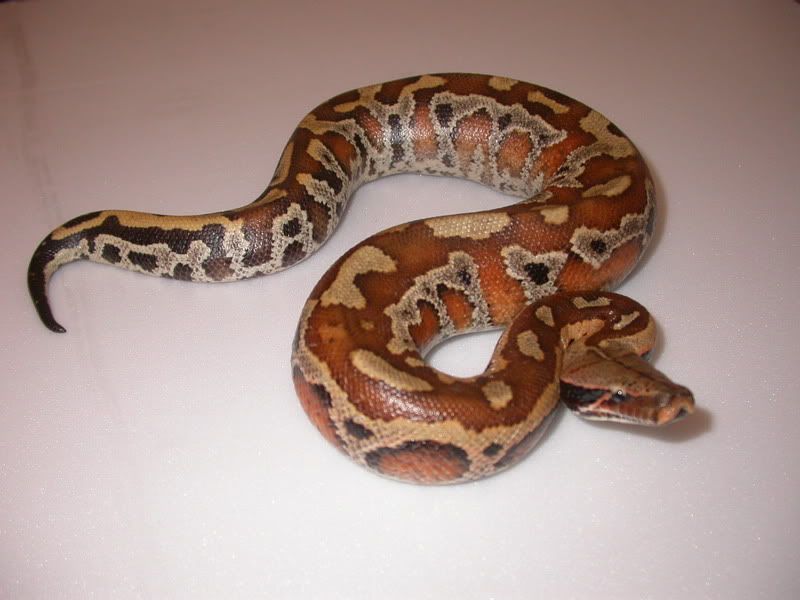
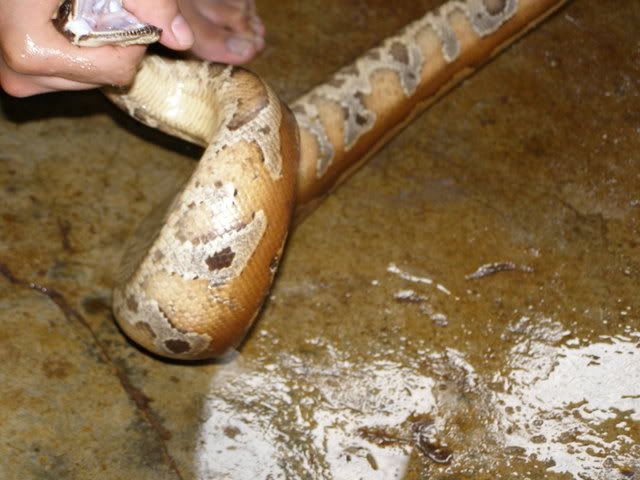
Courtesy of rickyfan8888
A malaysian constrictor that grows to an average of 5 to 7 feet. They are short but thick bodied weighting 18 to 20kgs. Their average lifespan is 20 years or more. Having a shaky disposition, some bloods can be docile, while some will strike from the slightest disturbance. Therefore not recommended as a beginner snake. Their colouration and patterns are beautifully striking and a must-have for serious snake enthusiasts.
They can produce up to 30 eggs in a clutch. Incubation is similar to the burmese python. They feed primarily on small mammals such as mice, rats, rabbits etc. They can be fussy eaters.
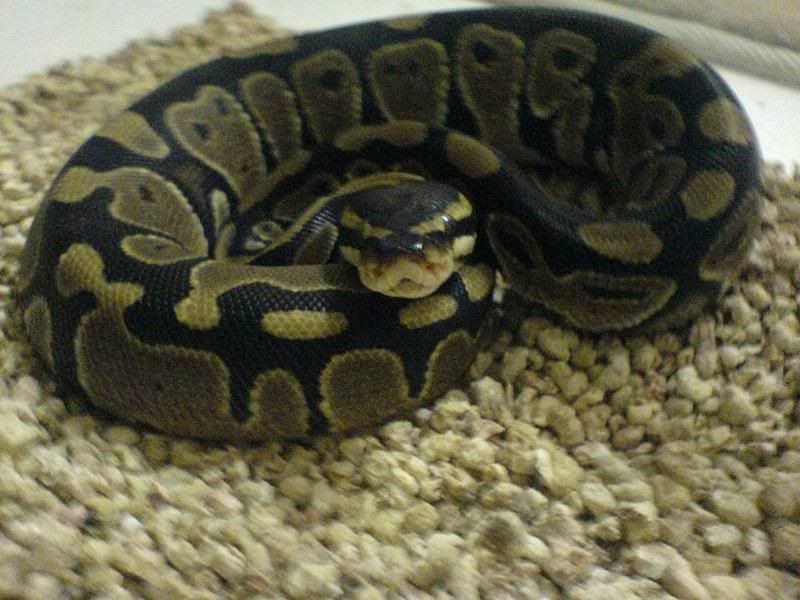
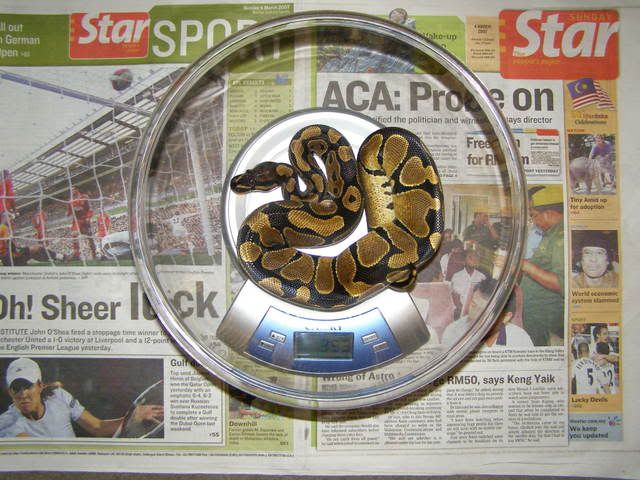
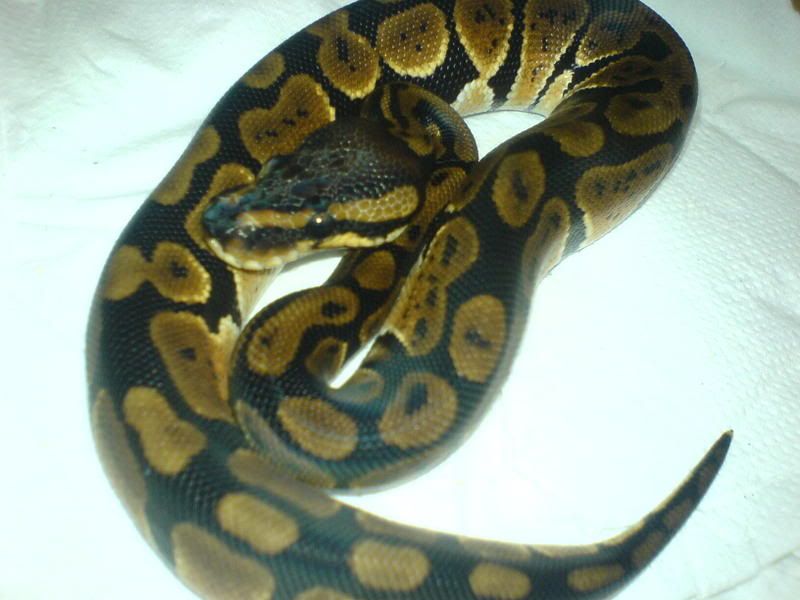
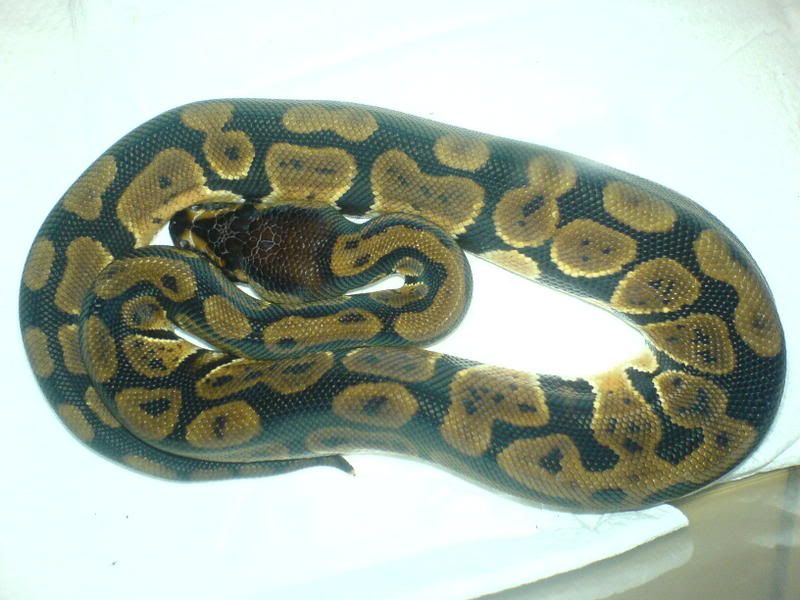
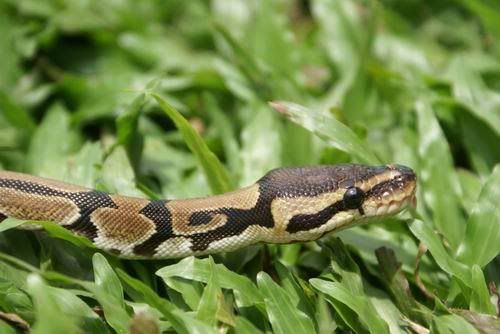
Ball Pythons
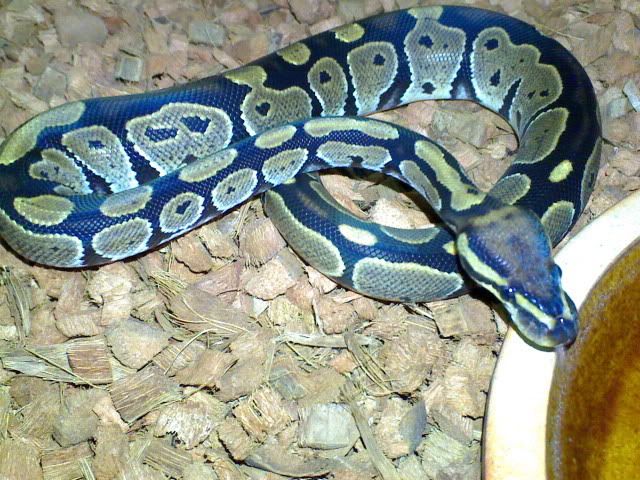
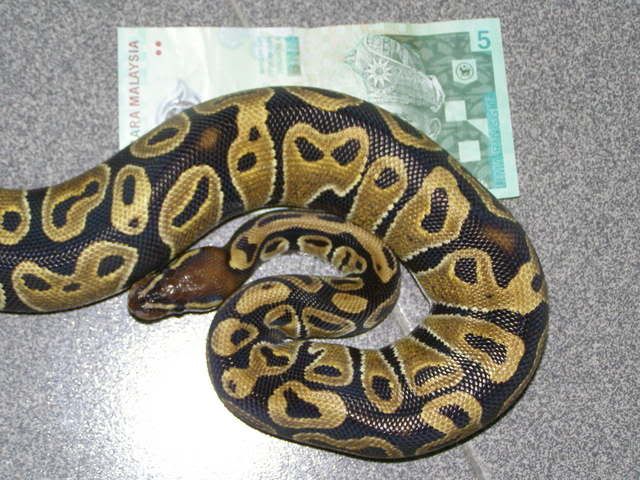
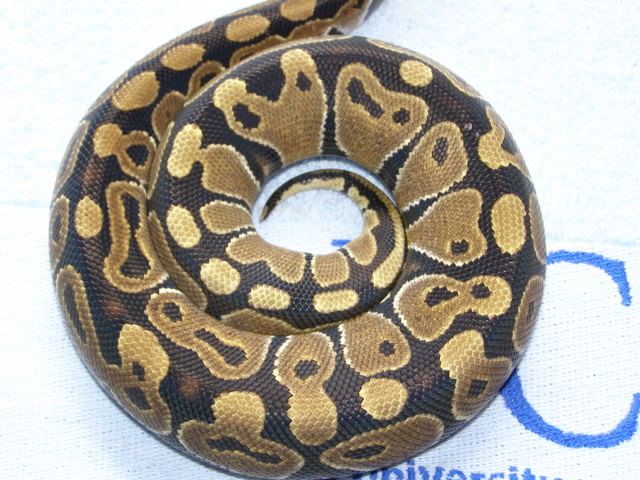
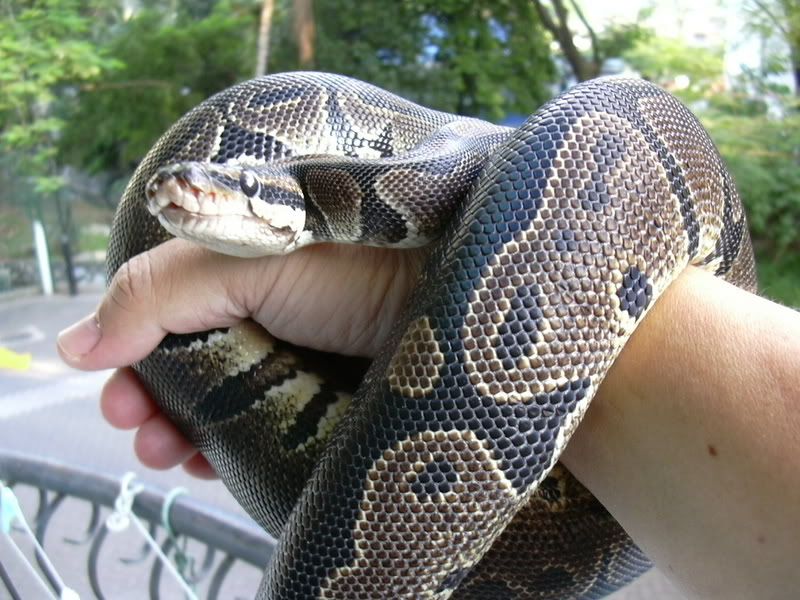
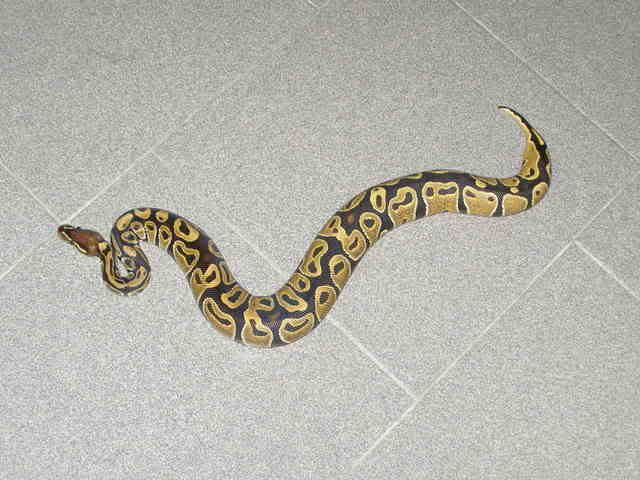
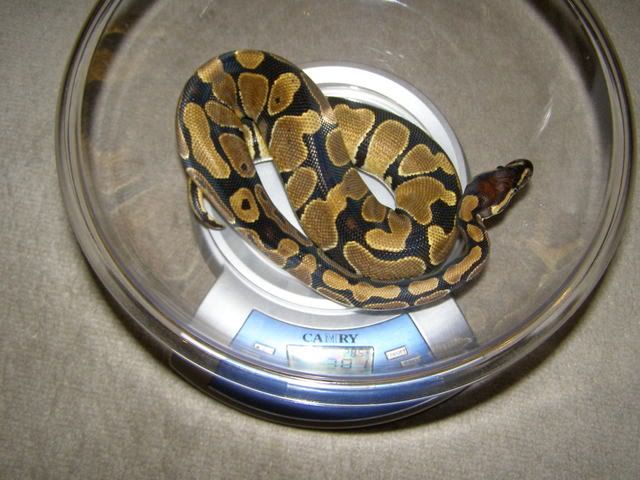
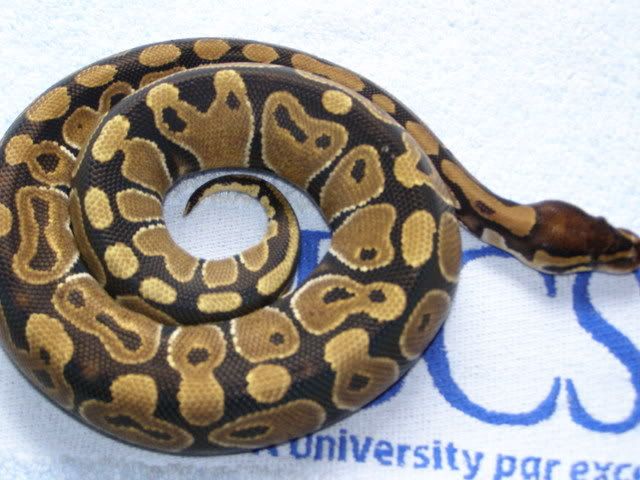
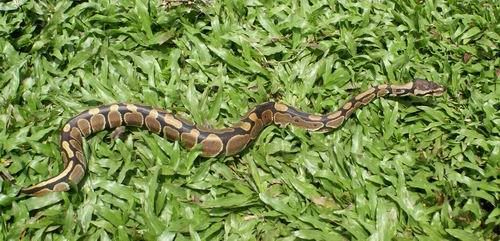
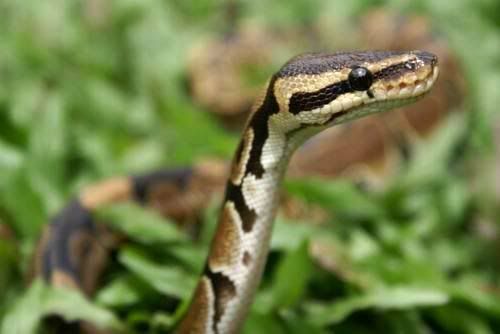
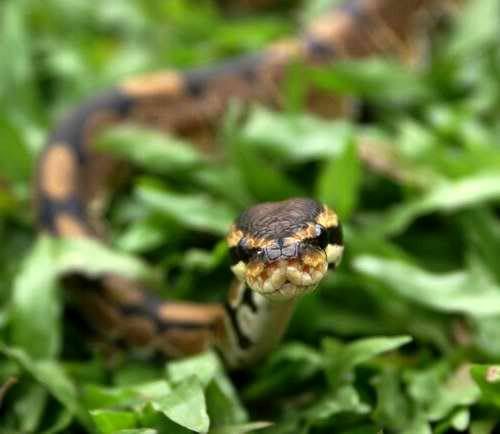
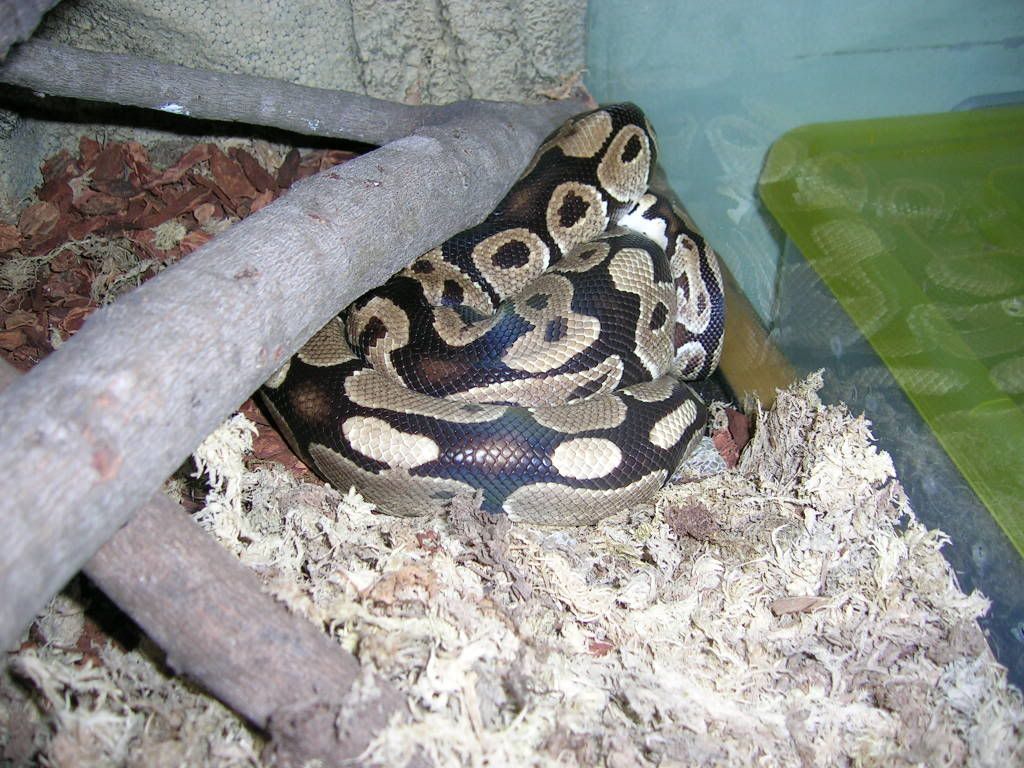
A very popular python to be kept as pets due to their very docile disposition and striking colour contrast. They do not grow very long and are similar to the blood python in terms of body type.
Also known as royal pythons in Europe, they can grow between 4 to 5 feet and can weight up to 10kgs. A well-fed ball python will have a nicely rounded body and fed mainly on small mammals and birds. They tend to curl into a ball when nervous, hence the name.
They reach sexual maturity at the age of 3 to 5 years and can produce 4 to 10 eggs per clutch.
Kingsnakes
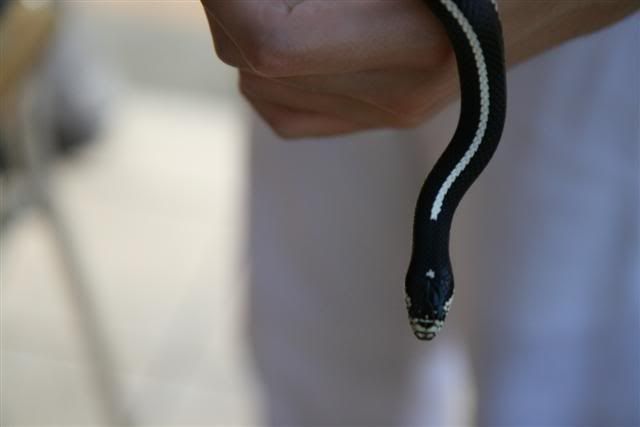
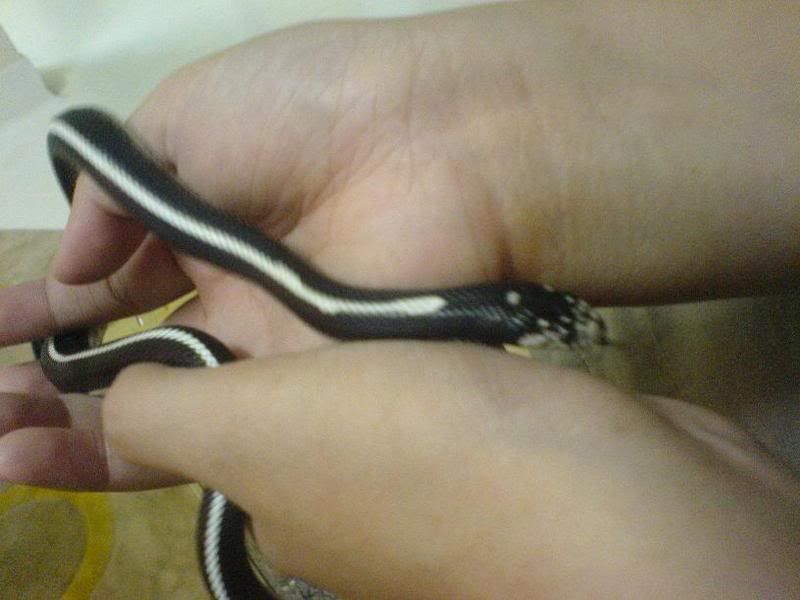
My CSK
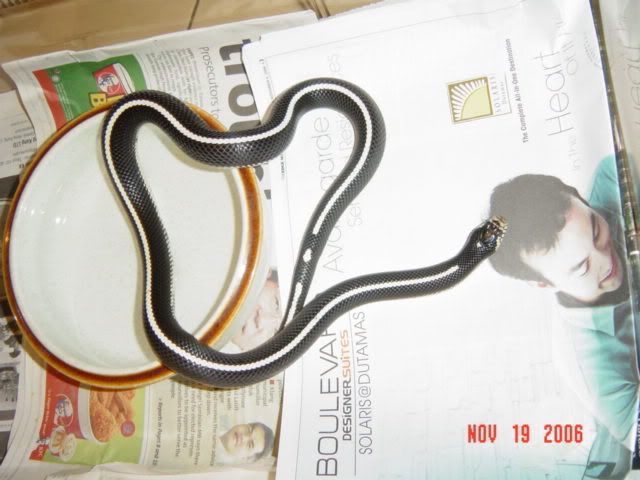
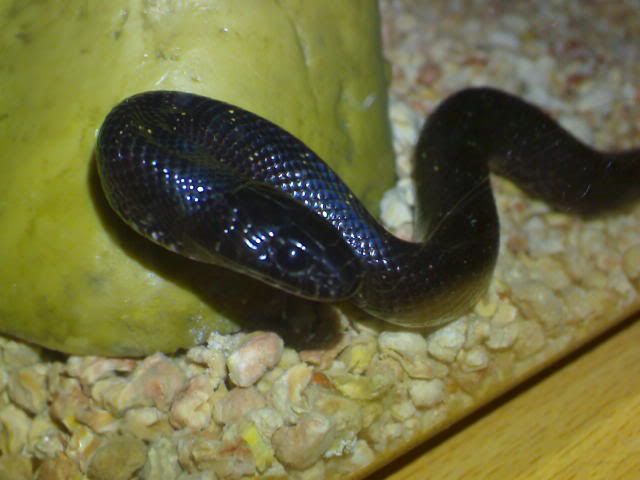
Kingsnakes originate primarily from America. Many morphs of the Kingsnakes are available in the pet trade such as the california king, mexican black king, banana king etc. The title 'King' is given to an animal when they have the ability to overpower and eat their own kind. Kingsnakes are highly immune to venom, allowing them to devour venomous snakes such as the rattle snake. Despite their cannibalistic diet, they are opportunists and also consume lizards, rodents, birds, and eggs.
They grow to an average length of 4 to 6 feet. Their lifespan is about 15 to 20 years. They are non-venomous snakes and constrict their prey like pythons. Kingsnakes are generally very docile and make good beginner snakes.
Substrates commonly used
- Beech wood chips
- Newspaper
- BC
Anyone want to add here can PM me.

PS : All snakes are recommended to be acquired through CAPTIVE BREEDING. Wild caught specimens are strongly discouraged from purchase.
My Kingsnake


This post has been edited by Reanne: Mar 20 2007, 10:52 PM
 Quote
Quote


 You're still tempting me, bad bad girl!!


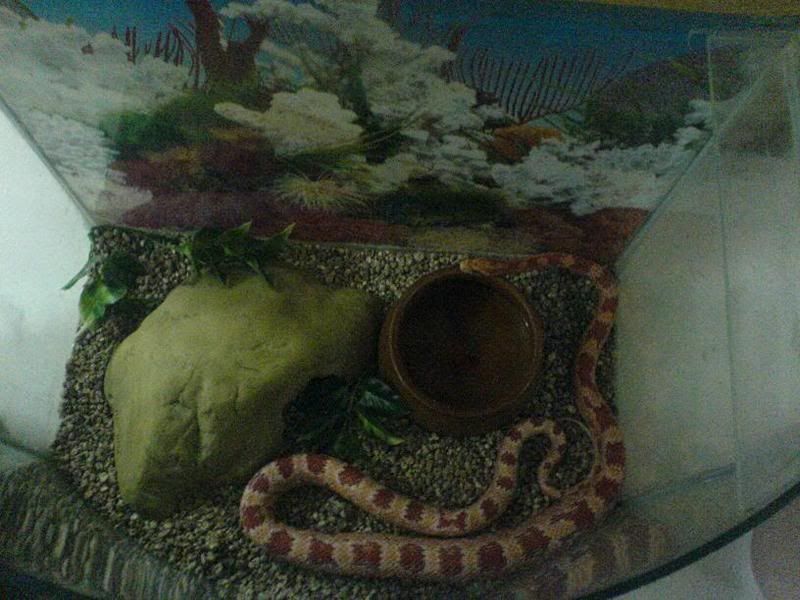



 must think of something original heheheh..


 Maybe if my Sameer and Bobo can communicate a lil', then that might get him feeding!


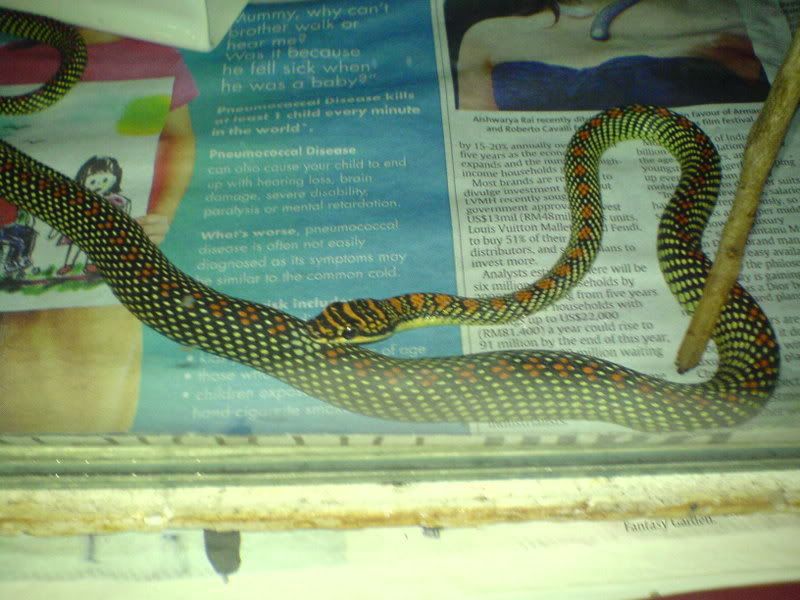
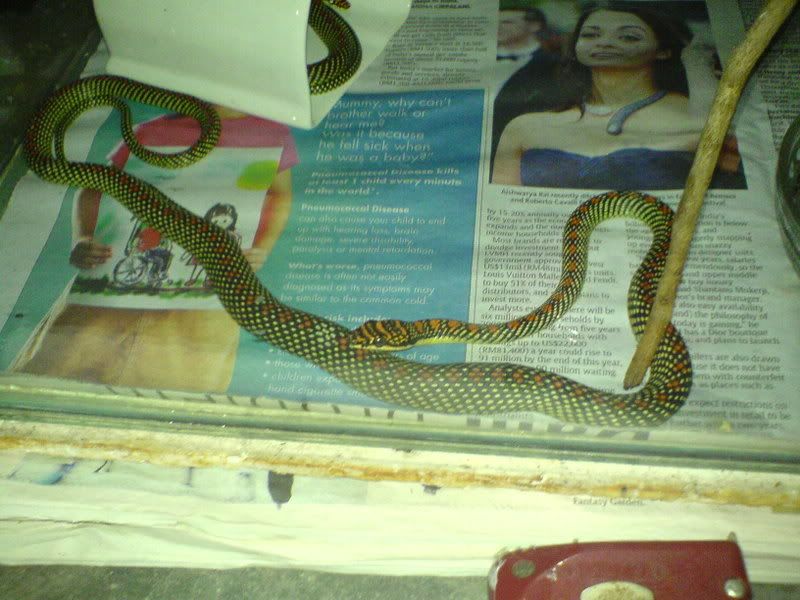


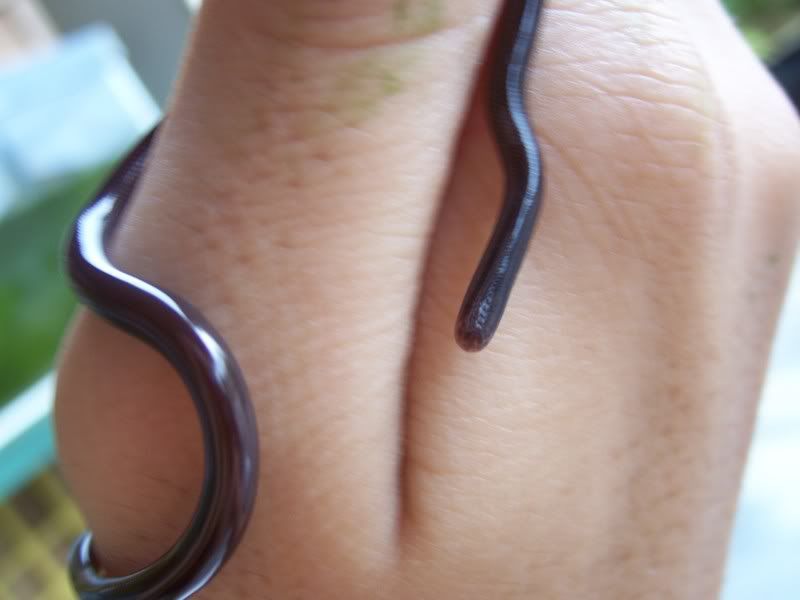
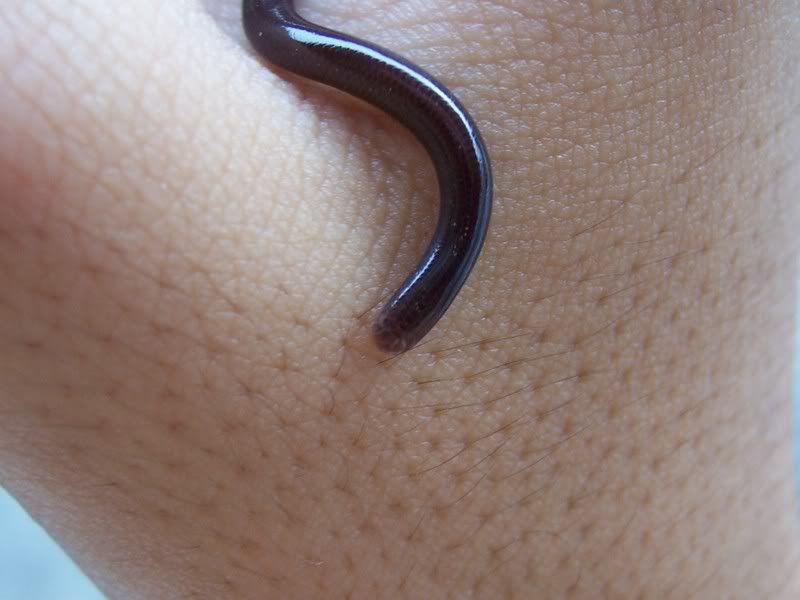


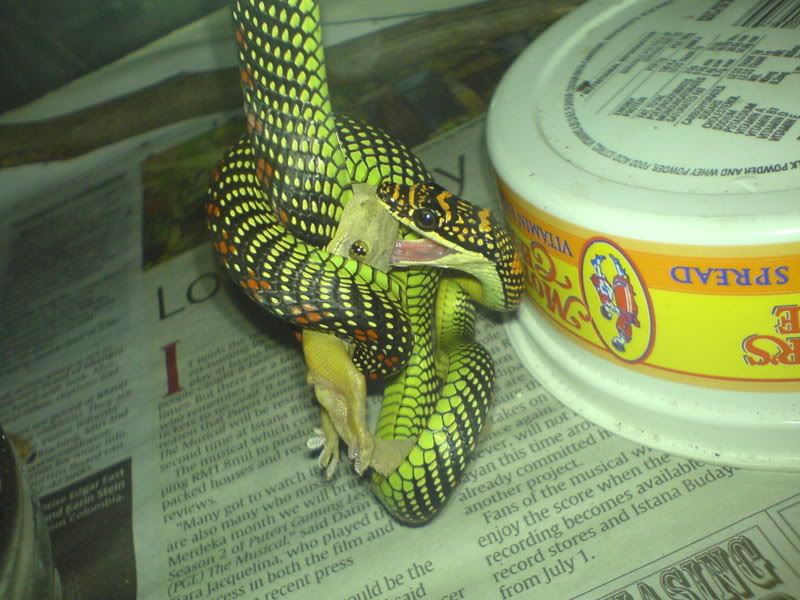

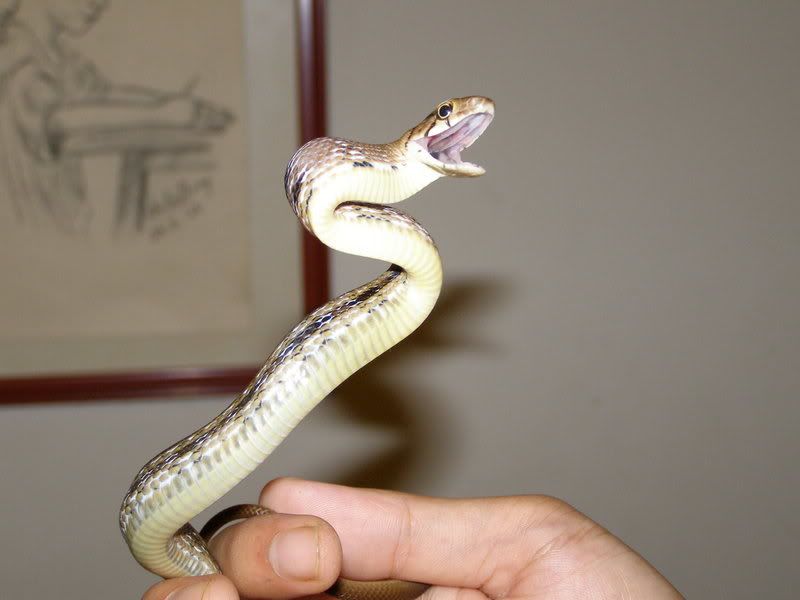


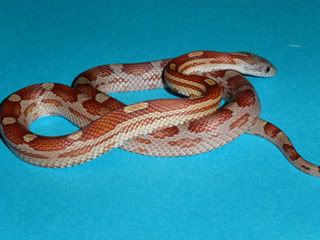


 ..dont know it bite or not leh?
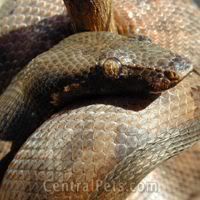
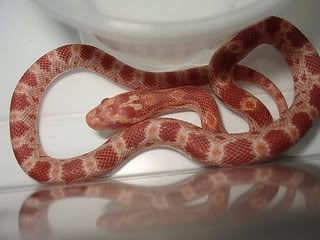
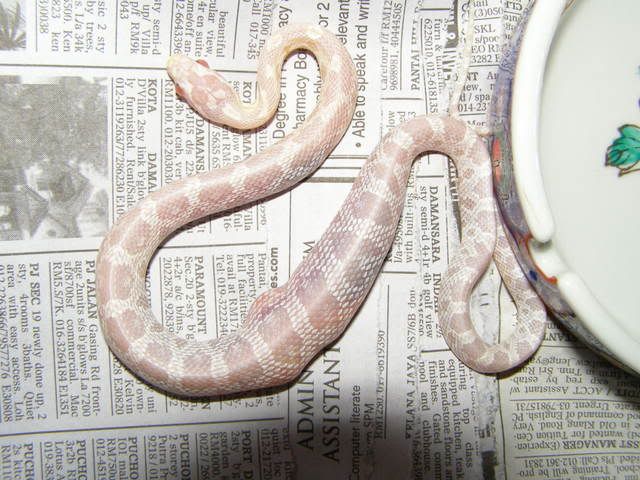
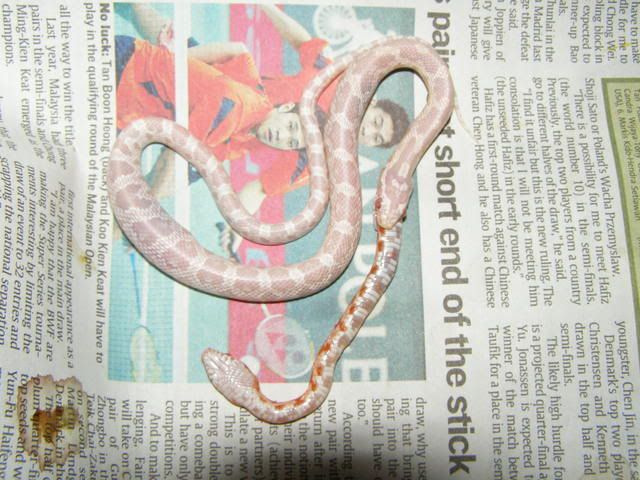
 ... for cornsnakes, their bottom checker pattern mah .... black & white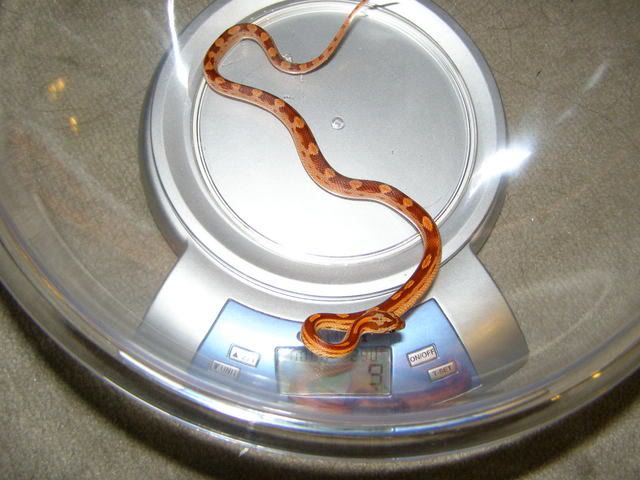
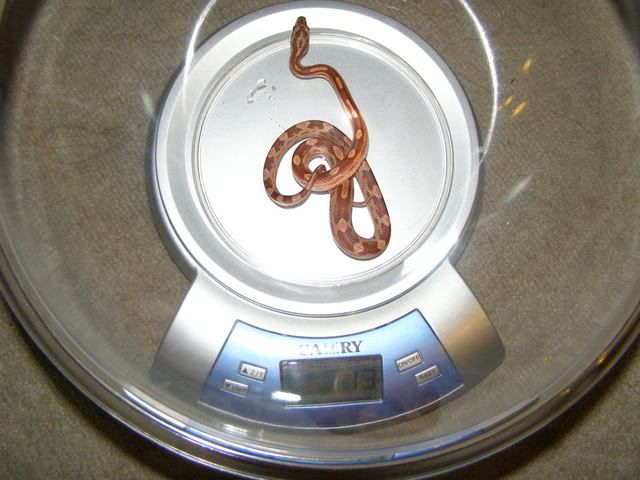















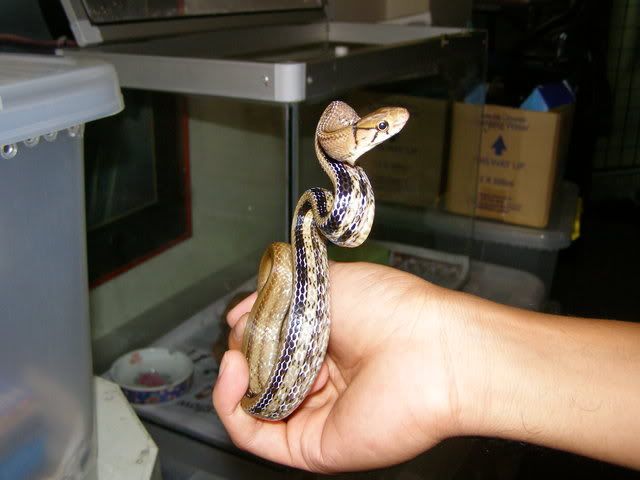
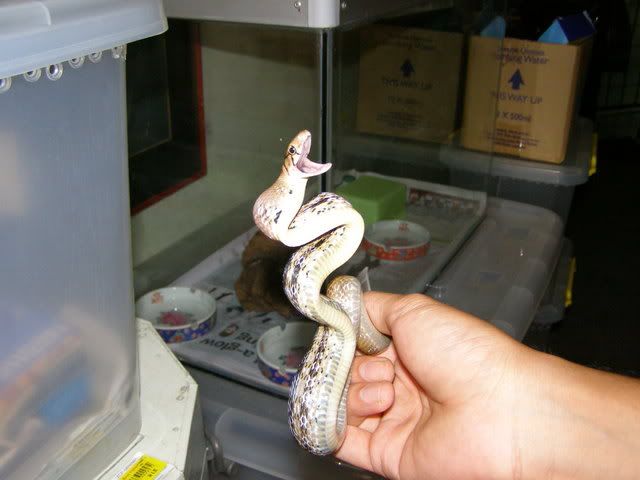


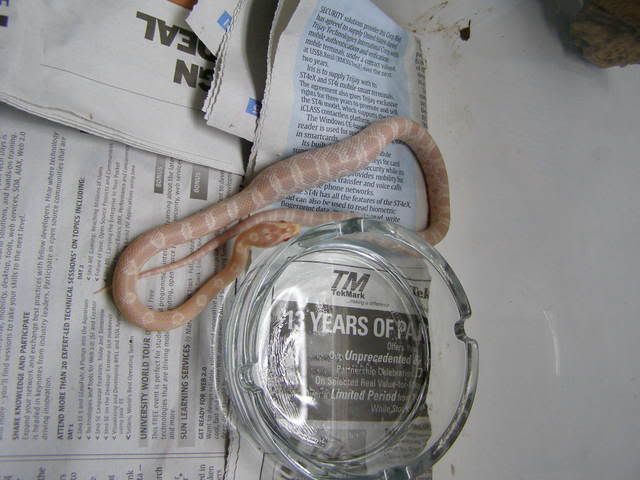
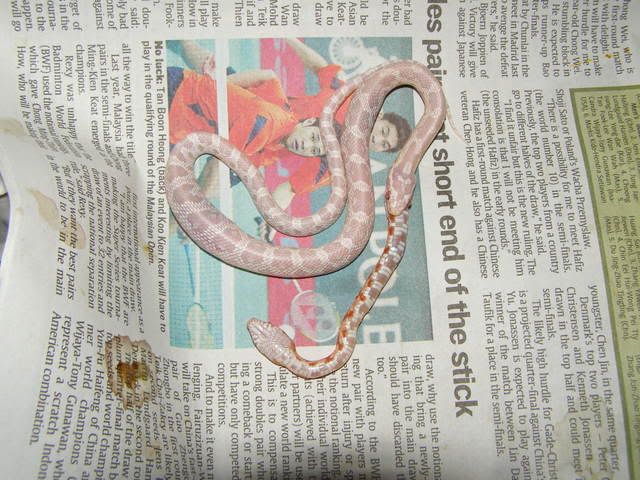



 "
"






 lor. I probed with supervision of our Al Da Great about 6 months back. He came to my place to probe all my snakes. So, I probed myself few of my own snake. Actually it is quite easy and safe . However, an assistance is required to hold the snake being probed.



 0.1668sec
 0.99
0.99
 6 queries
 GZIP Disabled