QUOTE(kshereen @ Dec 24 2014, 06:53 PM)
Yalar, I wanna convince my hubby to scrape off the "tank outside the house" idea.
Got consider solar but calculate too costly and when the solar panel not effective anymore it'll be a problem also. I want a long term solution that is more hassle-free. Furthermore, I read about the panels being health hazards as it causes electromagnetic radiation and other chemical hazards. For me, that's not worth the risk.
Solar water heater w gas as backup is as good as off-grid. Payback accelerates if there's a large household.
The golden opportunity is where you are now: repiping. If it were me, even if not investing in solar now, if you know what to do, you could prepare it for future. Solar is best installed oriented along South-South West where it take advantage of daily solar path (E to W). There are two basic designs in the world after the patent owners: Ishibashi (1976) and Teoh's co-axial multi-valve (c 1990s). Of the two Teoh's design is better. His company is Microsolar and I can attest it is very hot. For me, it took 3 continuous sunless and rainy days before it needs to activate backup but I had none. Even after that even a cloudy day, there's still hot water. But user experience with Microsolar in this forum varies. Fortunately, I did my own inspection while they install and had photos as evidence as a tile was cracked but that was a over 30 year old dwelling.
Best is copper so that it can withstand hotter than 80 degrees. What's important with hot water, ensure sand, mud and silt is minimised ie tangki is clean. An outdoor membrane filter or sediment filter helps with that.
In Europe and UK, there's something called flue gas heat recovery systems helps recovery waste heat to pre-heat incoming cold water reducing gas consumption. In Canada/US because wooden super structure is prevalent, as well as recirculation tank boilers, they employ a loop around the shower drain tube where waste heat from waste shower water is recaptured by the incoming cold water otw to the boiler.
If you are to go solar route, it's not unusual to consider some sort of a directional sprinkler spray system that can direct clean water on the glass tubes or collector panels. This is because of the seasonal haze we face. An unclean surface reduces solar heat capture. I would suppose a branch off along the cold supply just before the check (non return) valve with a quarter turn isolation valve fitted inside the roof space. This needs a little thinking but if done right would ensure that the class stays clean and also reduces roof top visits.
Just my 2sen.
This post has been edited by halcyon27: Dec 25 2014, 05:06 PM 


 Jul 31 2014, 08:58 AM, updated 12y ago


 Quote
Quote





 Sorry for late reply as our website is doing upgrading. The email system down for weeks. Now it is up with updated products for centralized hot water system both commercial and residential use.


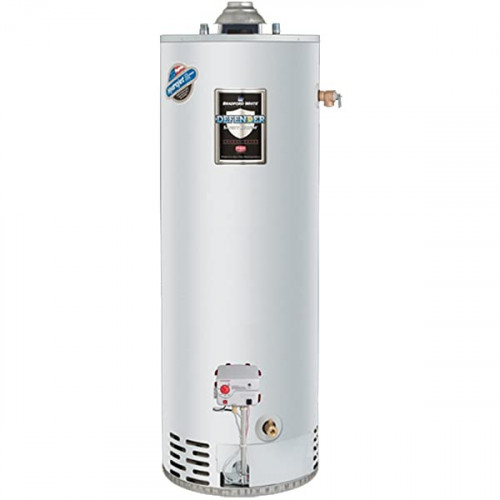
 Those made in China which you can find it in Lazada website is much more cheaper. Problem is how safe they are to use, and where to find a plumber that knows how to assemble and convert to use a gas canister. Anyone here can help shed light(s)?

 0.0338sec
 0.26
0.26
 5 queries
 GZIP Disabled