QUOTE(Acid_RuleZz @ Sep 3 2014, 03:44 AM)
Apparently 285 use a new form of compression algorithm that make it have higher memory bandwidth efficiency compare to Tahiti with 384-bit memory.

Tessellation performance also improved significantly.

Bioshock Infinite and Thief benefit the most from these 2 improvement so far.
Thief

BI

Tonga die is also denser compare to Tahiti albeit similar core counts.
| Code | ROP | Int/fp16 | Shaders | Rasterizer | Mem. Interface | Transistor | Die Size(mm²) | Node |
| GK104 | 32 | 128/128 | 1536 | 4 | 256 | 3500m | 294 | 28 nm |
| GK110 | 48 | 240/240 | 2880 | 5 | 384 | 7100m | 551 | 28 nm |
| Tahiti | 32 | 128/64 | 2048 | 2 | 384 | 4310m | 365 | 28 nm |
| Tonga | 32 | 128/64 | 2048 | 4 | 256 | 5000m | 359 | 28 nm |
| Hawaii | 64 | 176/88 | 2816 | 4 | 512 | 6200m | 438 | 28 nm |
Not just the R9 285 comes with a new form of color compression, the R9 285 looks like it has some serious tessellation performance...

Just look at AC4: Black Flag benchmarks by Tom's Hardware:

QUOTE
Assassin's Creed IV delivers the big surprise in our benchmark suite, with the Radeon R9 285 surpassing the high-end Radeon R9 280X. We took this benchmark multiple times to make sure what we we're seeing isn't a glitch. Assassin's Creed IV is known to make heavy use of tessellation, and we can conclude that the extra geometry units in the new Tonga GPU are earning their pay when it comes to this visually demanding title. As for frame time variance, there's very little to report with exemplary low lag across all the cards we tested.
It is an interesting card indeed, and I'm looking forward to see how this card improves with newer drivers...
 This post has been edited by chocobo7779: Sep 3 2014, 10:07 AM

 Jul 6 2014, 09:57 PM


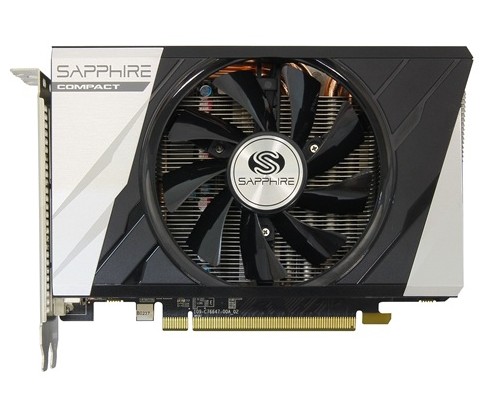
 The fans used and heatsink construction looks rather similar to the Tri-X, which I have no confidence at all now, sadly.

 Quote
Quote




 0.1434sec
 0.66
0.66
 7 queries
 GZIP Disabled