


 Dec 11 2013, 09:35 AM, updated 13y ago


I wonder if any of you still using Hazeline Snow, because I hardly seen the product in the market.
Used to be my fave cream during school (started using Hazeline Snow by the age of 11 till 13)
Some says it's a multi-purpose cream (cure pimples, acne, rashes, sunburns & any skin inflammation).
Did the manufacturer discontinue the production or are there some issue concerns?
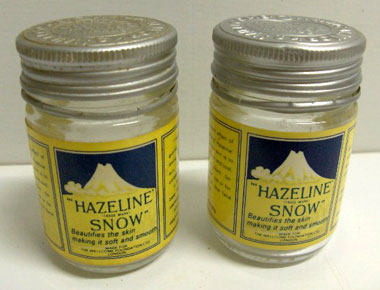

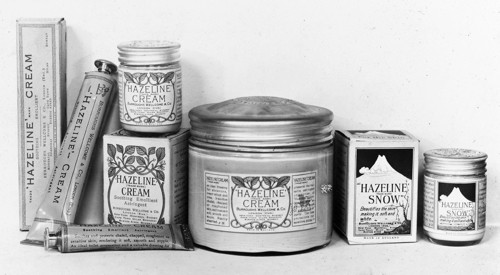
QUOTE
Hazeline Snow
Snows are soft stearate creams containing 50% of Hazeline. The original formulation was probably made using sodium and/or ammonium bicarbonate. The alkali releases carbon dioxide during the manufacture resulting in a foamy/snowy consistency. The alcohol content of the witch hazel and the carbon dioxide bubbles produced by the carbonates were both liable to evaporate, resulting in a loss of volume, so a good screw-top jar was essential.
[When making a witch hazel cream] a soft vanishing cream formula is used but replacing half or more of the water with witch hazel. This is added at room temperature after saponification has taken place; no further perfume is necessary, but often a compatible simple floral fragrance such as rose is also used. If any significant amount of witch hazel is used, it must be remembered that the alcohol content will slowly evaporate resulting in a contraction in volume. As a result witch hazen [sic] creams are usually put up in collapsible tubes. Although these creams are not popular in North America, they do enjoy considerable favor elsewhere.
(deNavarre, 1975, p. 302-303)
Although it was advertised as protecting the skin against winter wind, the product was more popular in warmer climates where it was described as being “deliciously cooling and refreshing to hot and inflamed skins as a gentle shower or rain is to sun scorched flowers”. It was also recommended for ‘prickly heat’, sunburn and inflammation caused by wind, dust and perspiration.
On the links, in the car, at the tennis court, “Hazeline Snow” protects from the winter’s wind and the summer’s sun. At home, during an afternoon at bridge “Hazeline Snow” saves the skin from overheating and subsequent discomfort.
(Hazeline Snow brochure, 1920s)
How Hazeline Snow and Hazeline Cream made the transition from medicines to cosmetics I do not know. However, by the 1920s, the company was marketing both products as such, and the phrase ‘Vanishing Cream’ was included on the label for Hazeline Snow – a term they probably appropriated from the Pond’s Extract Company.
Snows are soft stearate creams containing 50% of Hazeline. The original formulation was probably made using sodium and/or ammonium bicarbonate. The alkali releases carbon dioxide during the manufacture resulting in a foamy/snowy consistency. The alcohol content of the witch hazel and the carbon dioxide bubbles produced by the carbonates were both liable to evaporate, resulting in a loss of volume, so a good screw-top jar was essential.
[When making a witch hazel cream] a soft vanishing cream formula is used but replacing half or more of the water with witch hazel. This is added at room temperature after saponification has taken place; no further perfume is necessary, but often a compatible simple floral fragrance such as rose is also used. If any significant amount of witch hazel is used, it must be remembered that the alcohol content will slowly evaporate resulting in a contraction in volume. As a result witch hazen [sic] creams are usually put up in collapsible tubes. Although these creams are not popular in North America, they do enjoy considerable favor elsewhere.
(deNavarre, 1975, p. 302-303)
Although it was advertised as protecting the skin against winter wind, the product was more popular in warmer climates where it was described as being “deliciously cooling and refreshing to hot and inflamed skins as a gentle shower or rain is to sun scorched flowers”. It was also recommended for ‘prickly heat’, sunburn and inflammation caused by wind, dust and perspiration.
On the links, in the car, at the tennis court, “Hazeline Snow” protects from the winter’s wind and the summer’s sun. At home, during an afternoon at bridge “Hazeline Snow” saves the skin from overheating and subsequent discomfort.
(Hazeline Snow brochure, 1920s)
How Hazeline Snow and Hazeline Cream made the transition from medicines to cosmetics I do not know. However, by the 1920s, the company was marketing both products as such, and the phrase ‘Vanishing Cream’ was included on the label for Hazeline Snow – a term they probably appropriated from the Pond’s Extract Company.
Source: Hazeline Snow.
This post has been edited by Salt&Pepper: Dec 11 2013, 09:37 AM
 Quote
Quote


 0.0157sec
 0.64
0.64
 5 queries
 GZIP Disabled