


 Dec 8 2013, 08:57 AM, updated 12y ago


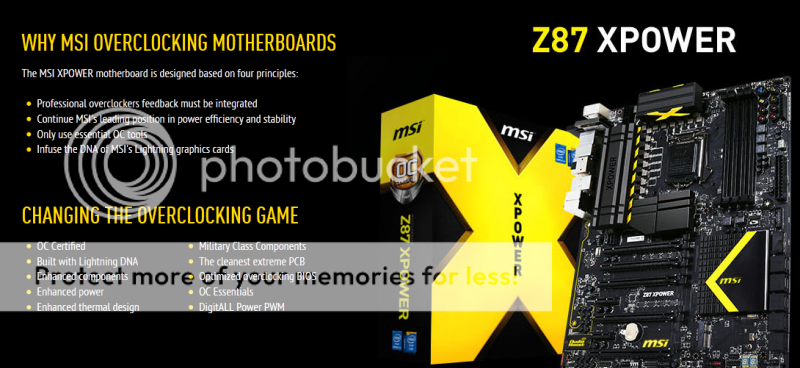
Introduction:
The Z87 XPower is MSI’s flagship motherboard (mobo) in enthusiast Z87 platform. The board supports the latest generation of Intel Haswell processors based on socket LGA1150 and loaded with all the goodness you would expect from XPower lineup, such as multiple overclocking potentials, the latest Killer Ethernet E2205 LAN, AudioBoost sound chip and many more.
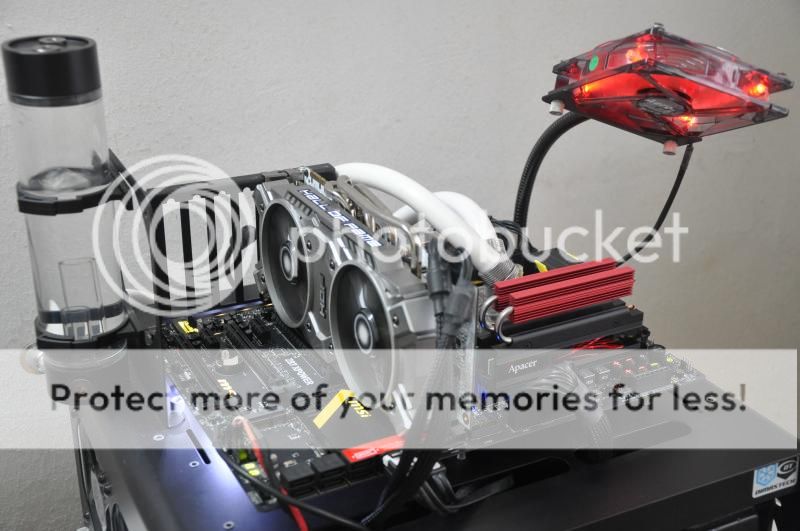
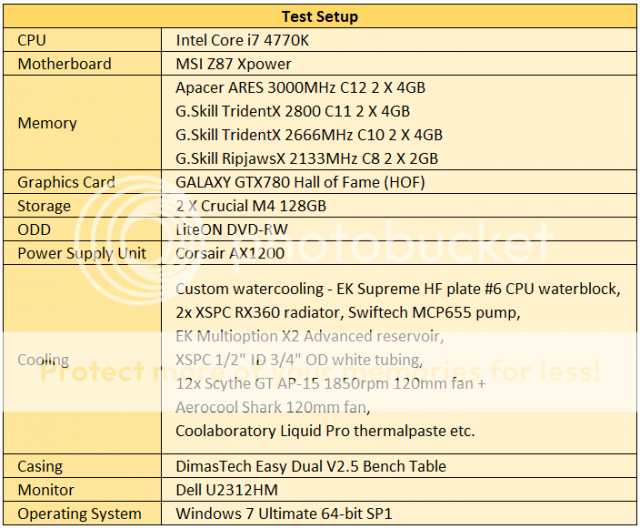
I have reviewed, tested and benchmarked this MSI overclocking board on my watercooled test bench. Let’s proceed to our review.
Product Link: http://www.msi.com/product/mb/Z87-XPOWER.html
Suggested Retail Price: RM 1,599
Specifications:

Full specifications of XPower can be found HERE
Unboxing:

The XPower is shipped in a huge box with a big yellow "X" on the front which emphasizes that it is an XPOWER product that is proudly designed by MSI.
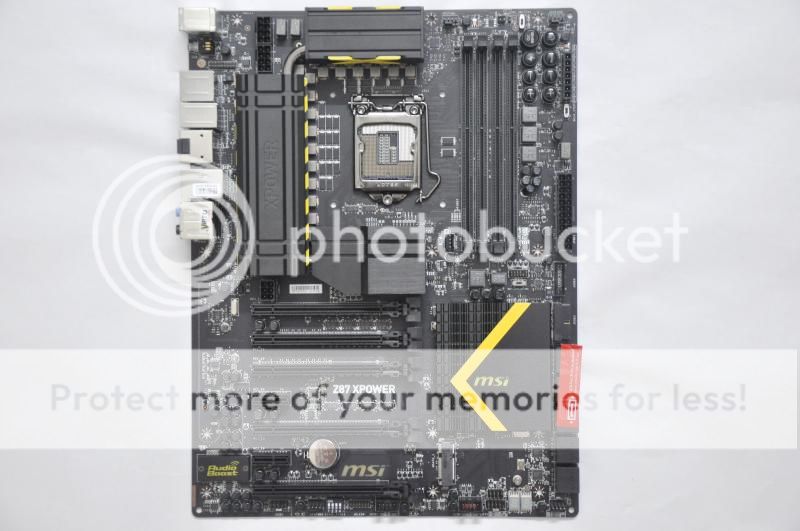
The yellow-black themed mobo is an XL-ATX form factor with dimensions of (34.5 x 26.4) cm. Seriously, it is the largest board that I have ever reviewed so far. Make sure that your case is capable of housing this huge mobo.
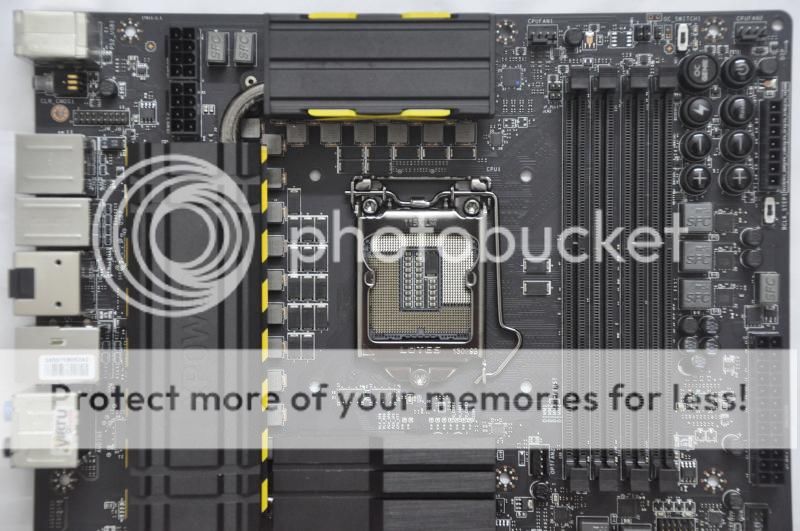
Let’s take a look closely at the CPU socket area. The XPower is equipped with a whopping 32 digital phase power system to deliver sufficient power supply for extreme overclocking. Next, we have a pair of 8-pin CPU power connectors and four DIMM slots that support up to 32GB of DDR3 dual channel RAM and speed up to 3000MHz+ when overclocked.
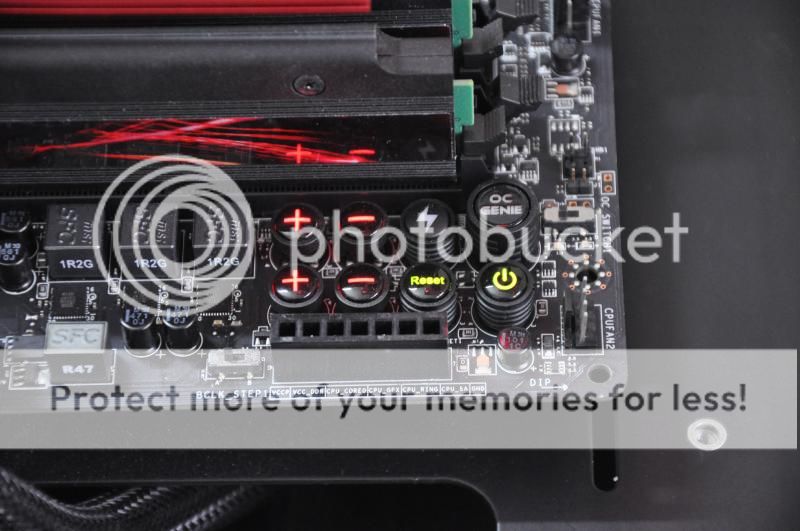
To the right of the memory slots are the V-Check Points block, Power button, Reset button, Power Discharge button, CPU ratio control buttons, BCLK control buttons, OC Genie button, Base Clock Step switch.
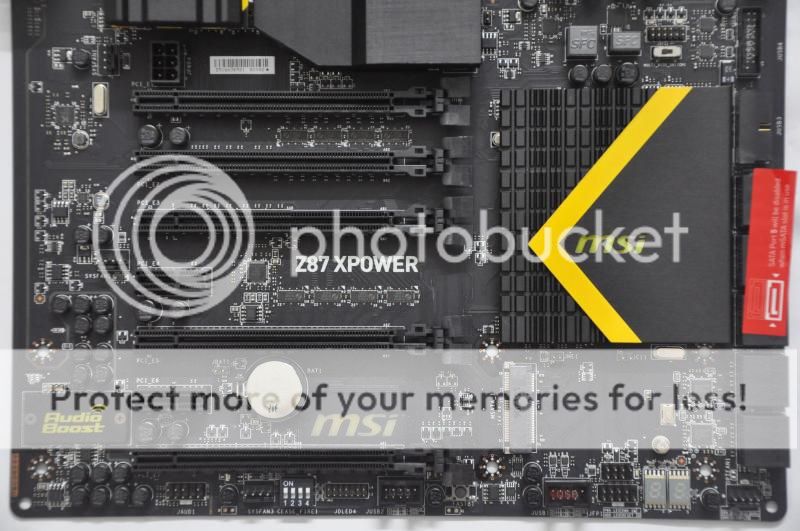
The board packs four PCIe 3.0 16x slot supporting up to 4-way nVidia SLI/ AMD CrossFire (CF). The operating modes are as the following:
4-way @ x8/x8/x8/x8
3-way @ x8/x8/x16
2-way @ x16/x16
1-way (single) @ x16
Besides that, there are also two PCIe 2.0 x1 slots provided. To the upper right of the first PCIe x16 slot we have a 6-pin auxiliary PCIe connector to supply additional power to the PCIe bus when two or more graphics cards are used. To the lower right we can see an mSATA connector which accepts any mSATA based SSD in the market.
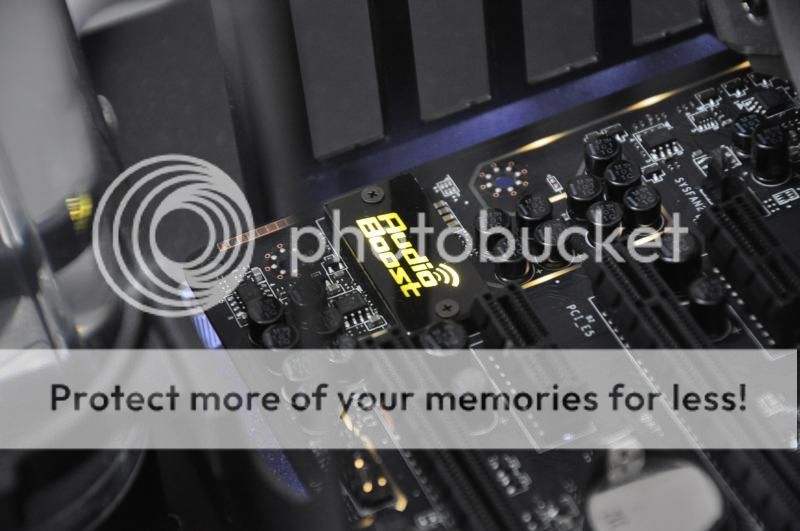
Also spotted, an AudioBoost chip powered by Realtek ALC1150 audio codec chip for the best audio solution. The yellow line separates the main board PCB from the integrated audio board PCB. When the board is powered up, the yellow LEDs of the audio chipset panel and the separating line will illuminate. That’s cool!
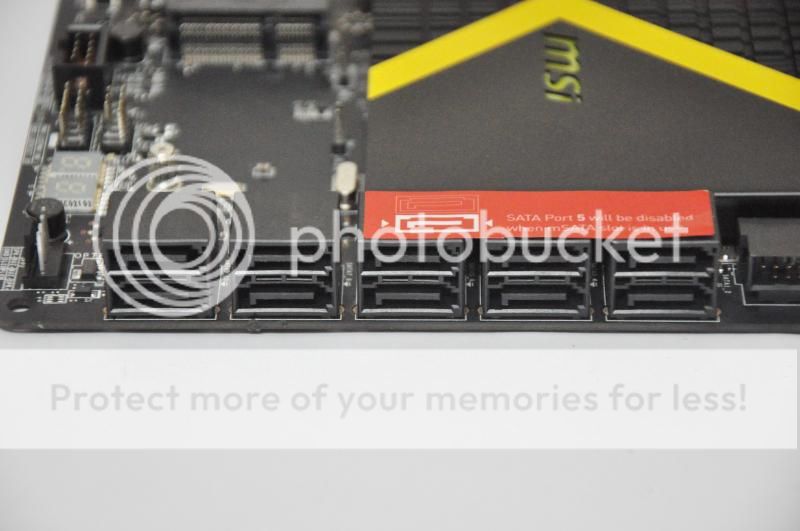
For storage needs, we have six SATA3 ports powered by the Intel Z87 controller and the other four ports are controlled by the ASMedia controller.
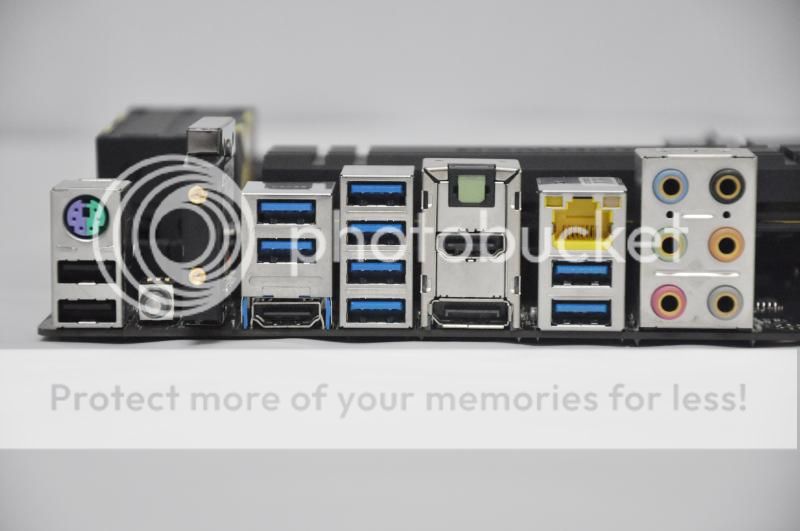
The rear I/O panel houses a PS/2 keyboard and mouse port, 2 USB 2.0 ports, 8 USB 3.0 ports controlled by the ASMedia controller, a Qualcomm Killer E2205 GigE NIC port, 2 HDMI video ports, a DisplayPort video port, a CMOS reset button, an optical S/PDIF audio output port, and 6 analog audio ports. With the Wi-Fi module plugged into the expansion port, 2 antenna ports tied to an Intel 802.11n Wi-Fi and Bluetooth controller are added to the rear panel.
This post has been edited by owikh84: Dec 8 2013, 09:00 AM
 Quote
Quote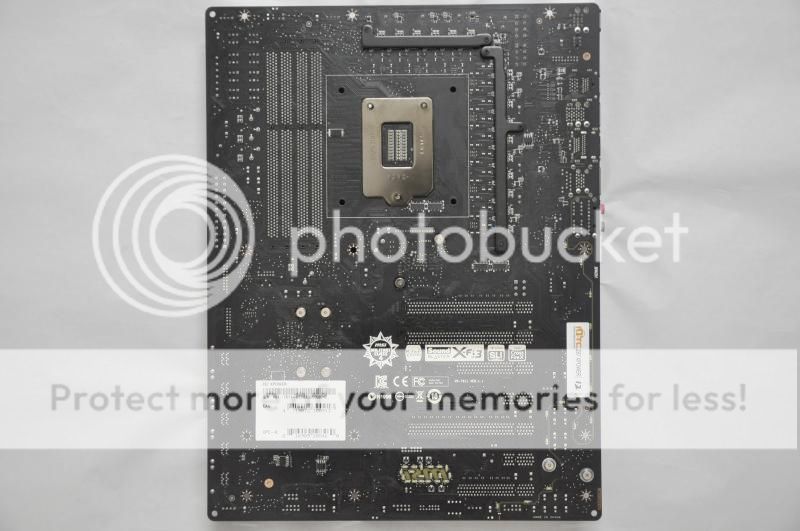







 there is 1 more reviews for the best mobo for the end of 2013.. R4BE ..


 0.0197sec
 0.29
0.29
 5 queries
 GZIP Disabled