

 Nov 11 2013, 07:00 PM, updated 13y ago


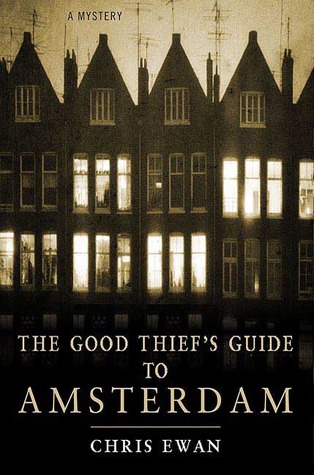
The Good Thief's Guide To Amsterdam
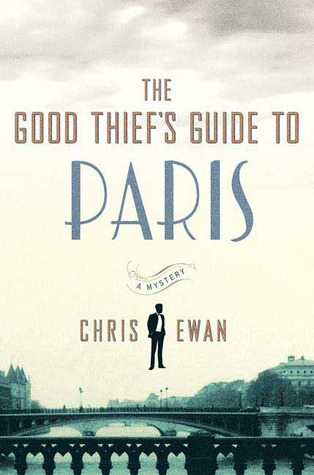
The Good Thief's Guide To Paris
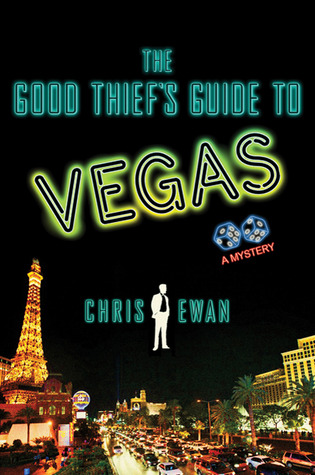
The Good Thief's Guide To Vegas
I thought they were tour guides when I saw them, and doubted Kinokuniya's decision to put them in Mysteries section. Apparently I was wrong, they were novels, mysteries in nature.
Chris Ewan, the writer, writes about Charlie Howard, a writer, who writes about Michael Fox. Charlie Howard is a thief, and so is Michael Fox, so I'm incline to believe Chris Ewan too is a thief of sort.
While the books are not intended to serve as any guide to the cities, they do provide insights of lifestyles. But the interesting bit of the series has nothing to do with sight-seeing.
Charlie would stumble upon writer's blocks, and discusses those difficulties with his publishing agent, Victoria. In one of those discussions, Victoria told Charlie to stop worrying about the credentials of his novels, how his main character Michael always manage to escape the most dire situations. Simply because they are novels.
Despite that, The Good Thief's Guides are well researched and balanced. It has believable characters and scenarios. The story progresses in two folds for Charlie - a writer and a thief. Charlie Howard claims his novels, while not a memoir, tell stories of his exploits. In one scene, Charlie Howard tells you, the reader, to buy a copy of his Michael Fox novel, to better understand the situation. The book doesn't exist, but I can see Chris Ewan, through good sales and recognition, consider writing a Michael Fox series.
There are five books in the series as of now: Amsterdam, Paris, Vegas, Venice, and Berlin. The story is humorous, and I'm fond of it.
The first book is a solid foundation, an introduction to the character, Charlie Howard. The character familiarization is crucial and brilliantly done. The book was written in Charlie's point of view, and as the plot moved along, I stopped thinking about him, and focus more on the story itself.
Think of it this way: you first meet a stranger in a cafe. You two chatted. At the beginning you scans him from head to toe, determining if he is what he says he is. After a few sneak preview of evidences, you think you can believe this man. Then you listen to his stories. An hour into it, the question in your head changes from "who this guy really is" to "what happens next?".
Yes, it works like a con. Incidentally, con is a major theme in and of the books.
Like an actual con, it'll need vivid and believable characters. And then a slightly preposterous, yet not really far fetched story. I found these elements in the books and I like them.
A leisure read intend to put a smile on your face, I recommend you to give this a try if your diet consists of serious detective novels. It might just give your palate a refreshing cleanse.
This post has been edited by NXJ: Nov 11 2013, 07:01 PM
 Quote
Quote


 0.0577sec
 0.31
0.31
 5 queries
 GZIP Disabled