

 Apr 14 2014, 05:18 PM


QUOTE(supersound @ Apr 14 2014, 04:30 PM)
So want to boast about trigonometry to wow me 
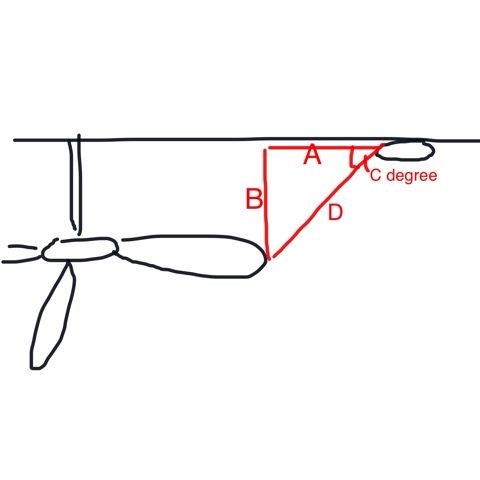
You may draw the diagram to further wow me on this
Just because I never put the term "level", you no need to use trigonometry to boast around. This is nothing to do with trigonometry. Must know where and when to use a concept or a law

In this case i must agree with mrgoodgood on the degree of projection. As we know light projects and travels in straight line and LED lights especially have a stronger projection intensity and specific projection degree. (Eg. eyeball spot light has very narrow projection degree). Normal downlight is not so specific with such projection degree and that's why i said the light is softer or less intensed. You may draw the diagram to further wow me on this
Just because I never put the term "level", you no need to use trigonometry to boast around. This is nothing to do with trigonometry. Must know where and when to use a concept or a law
As such if we use these led downlights, we should either move the light further away from the fan blades or use a shorter fan rod so that to avoid the wide projection 'kena' the blades causing shadow flickering (provided the rod is short enough for that certain degree the lights has)... So, longer the rod, easier to 'kena' the light projection.
I know you will say avoid led downlights... but that's still personal choice, as nothing is perfect and each has got its strength and weakness. Although led downlights with more intensed projection but the flickering can be avoided by method suggested. That's one of the benefit of this forum that we learn from people's experience and we find a way to avoid errors...
 Quote
Quote




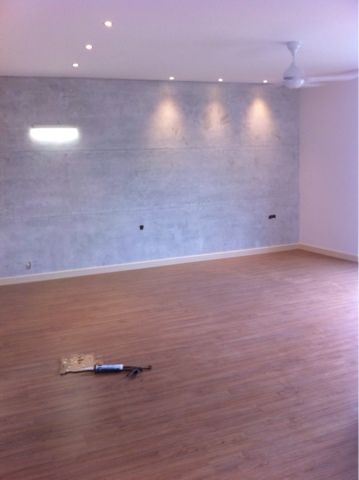

 and it is in a bedroom which it supposed to be 'softer'....

 0.0376sec
 0.55
0.55
 7 queries
 GZIP Disabled