

 The unsung hero of Skyfall: Tom Ford suit
  Nov 6 2012, 10:00 AM, updated 14y ago


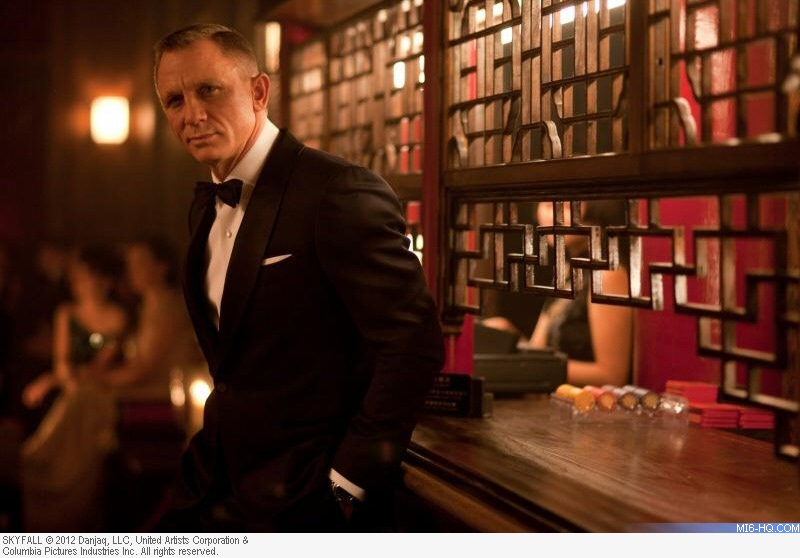

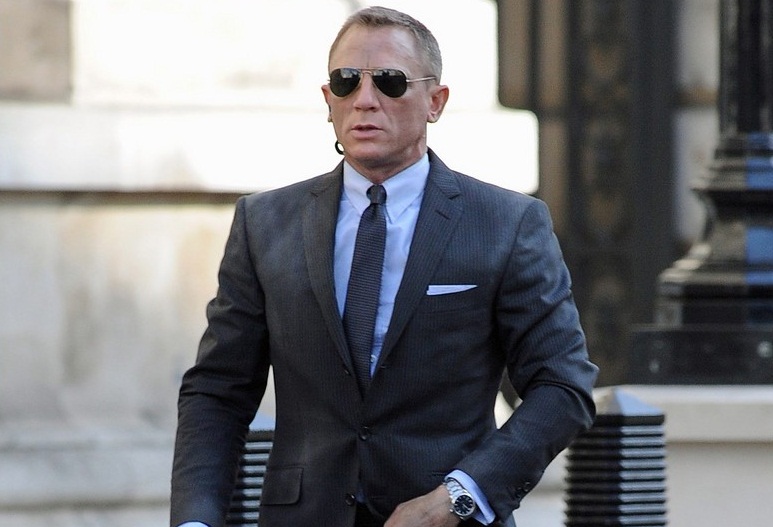
When Skyfall hit the big screen, there was an unsung hero among the cast. And even though O’Connor wasn’t given a lead role, there could be a prize or two for coming his way during next year’s awards season.
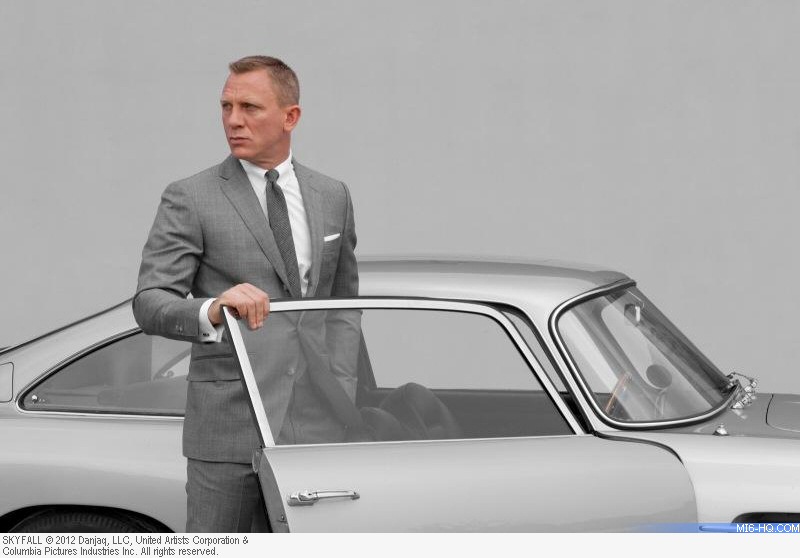
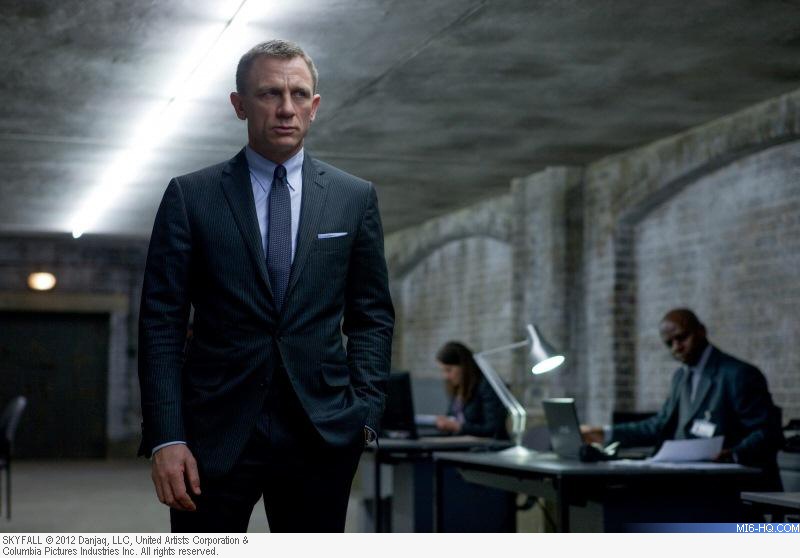
But O’Connor isn’t Q’s latest assistant or the new villain. It’s the model name of one of James Bond’s Skyfall suits. Designed by US tailor Tom Ford, the two-buttoned, peak-lapelled outfit would set 007 back just shy of £2,300 – if it wasn’t part of his uniform allowance while serving in Her Majesty’s secret service, of course. You might think that sounds excessive but, as much as he has a licence to kill, he’s also got an obligation to look good while doing it.
The reason Bond dresses up – all the way back from Sean Connery in his slick Crombie coats and trilby hats, to Daniel Craig’s current look as the spy – is that formal suits and tuxedos play up to the romantic vision we have of spies. But, seen through less nostalgic and more practical eyes, it’s also a functional quasi-uniform – a way of dressing that has evolved alongside fashion over the years.
Although it’s more a staple of office environments than the street, the suit is still a cornerstone of modern fashion. ‘Tailoring is relevant because, ultimately, it’s the purest expression of the fundamental garments that form every man’s wardrobe,’ says Teo van den Broeke, associate editor at Esquire magazine. ‘It’s adaptable and a properly cut suit will make you look better than any other clothing you could ever wear.’
Ford is from the US and it’s perhaps odd that Bond isn’t wearing a suit with a ‘Made in Britain’ tag. Craig – or rather, Skyfall’s costume designer Jany Temime – would certainly have found plenty of elegant, well-made suits in London’s Savile Row.
‘The knowledge that comes along with the heritage of tailoring in Britain, particularly Savile Row, is amazing,’ says Claire Malcolm, creative director at Hardy Amies. ‘Our mills have produced high-quality fabrics for centuries and still maintain their integrity and high production values.’
Traditional houses tend to agree: Britain is where it all began. Everything we see in tailoring today has its origins in British military uniforms or cloths used for country pursuits.
What it boils down to is a sense of proud traditions and a history of craftsmanship. Britain has long been at the forefront of bespoke suits. The other option for handmade tailoring is Italy –
where Ford makes his – and the Milanese quality is universally respected but Britain’s tailors add a historic perspective to their craft. ‘We have more than 700 years of tailoring history in London,’ says Patrick Grant, owner and designer at E Tautz. ‘We invented cloth weaving as we know it today and we still have the best tailors and weavers in the world. Suits were the uniform of any person who had pride in his appearance, irrespective of class, income or profession. I love the old photos of British workers walking to our great factories, whole streets filled with men in suits and caps.’
In many young men’s minds, the suit represents an ancient way of dressing, something previous generations wore – and this is the problem tailoring faces today. But look at the Paris, Milan and London menswear catwalks for autumn/winter 2012 and the designs will tell you a different story.
‘Brands had to change their blocks and cuts to fit with the slimmer, less-boxy style favoured by younger customers and they’ve had to offer larger and more competitively priced ready-to-wear and made-to-measure collections,’ says van den Broeke about efforts to modernise the suit.
 Quote
Quote










 0.0187sec
 0.81
0.81
 5 queries
 GZIP Disabled