

 Jun 22 2011, 09:29 AM


QUOTE(weikee @ Jun 15 2011, 11:20 AM)
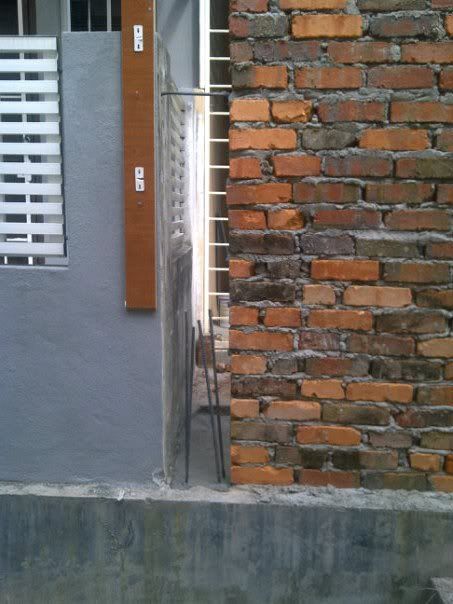
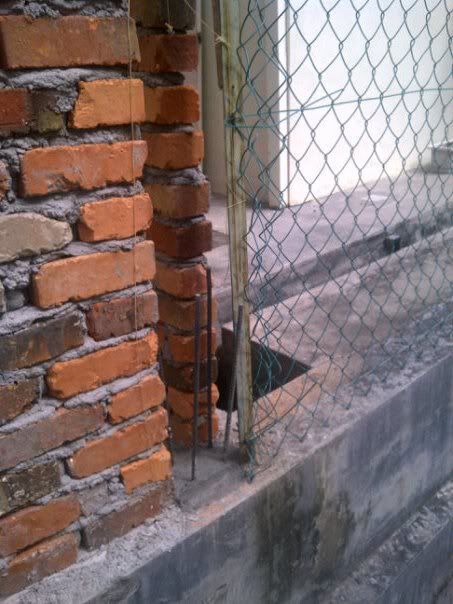
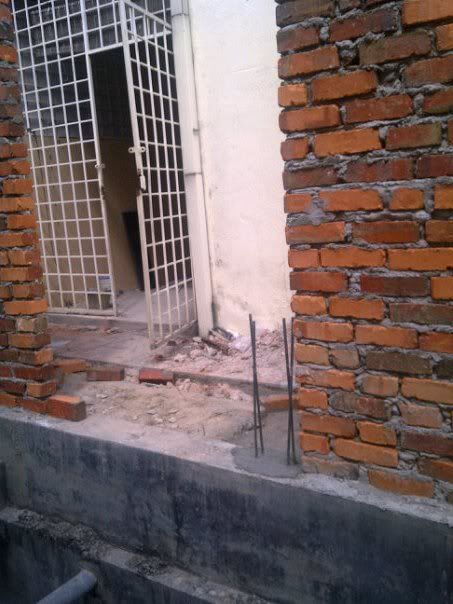
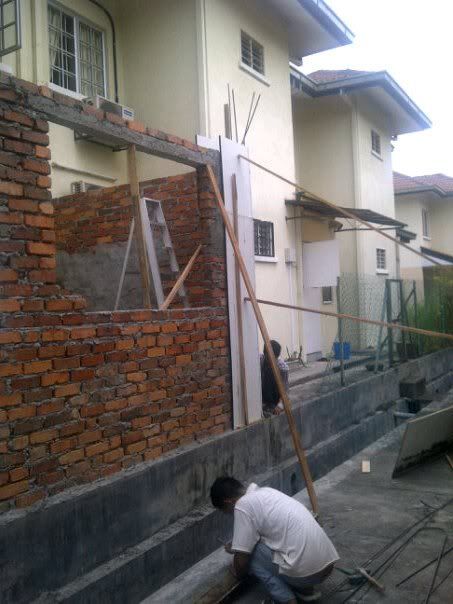
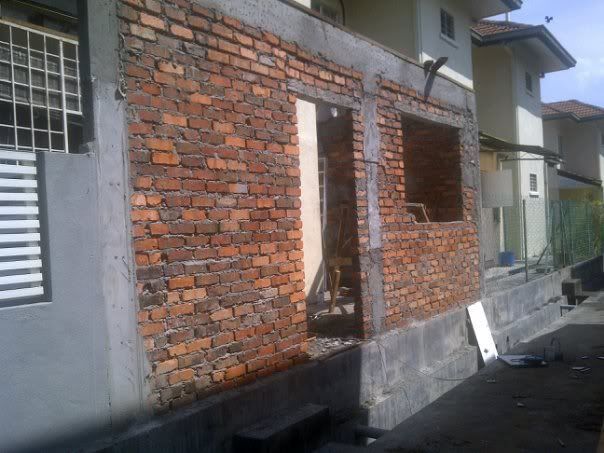
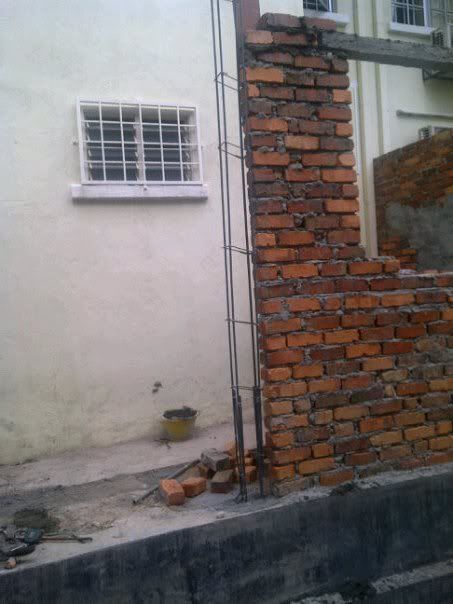
If the rear extension is mainly on ground floor should is ok. The contractor need to locate the house rear beam and get the old"reinforcement bars" on the beam, join the bars to the new beam. So this will ensure the new wall and old wall will not crack and have hollow holes. My mom house had this problem when we pay the contractor do the job and he did not tie the bars to the original, now to fix it will be costly. Just live with it. Don't go for cheapest, go for quality and price matching, and ask why is more expensive how they do it.
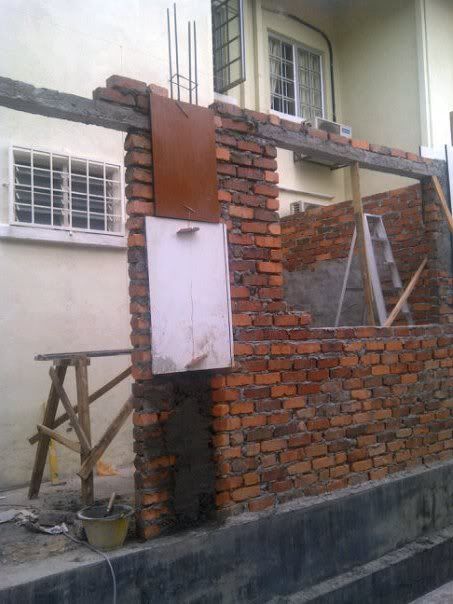
My rear extension "maybe over done", 4 footing, each footing connected by a beam in the floor. Than top beam. Next time i need, just add brick and can make 1st floor. Also is RC slab, not normal clay roof

Since you are using RC Flat roof, I suggest you to use waterproofed concrete for the 1st RC Floor slab.. This is to prevent water leak into your newly extended area.... Apart from that, you really required a good C&S sub-contractor to do RC Flat roof...My rear extension "maybe over done", 4 footing, each footing connected by a beam in the floor. Than top beam. Next time i need, just add brick and can make 1st floor. Also is RC slab, not normal clay roof
Added on June 22, 2011, 9:33 am
QUOTE(eclipse-space @ Jun 22 2011, 12:45 AM)

Agreed but maybe diffent method cos only for ground floor.
But normally tiang goes 4 ft deep 2 ft wide underneath. Sth like tat anyway
a) Load shall be transferred to the RC Structure unless your wall is Load Bearing designed wall..
b) For future extension, if you extend to hack/remove the said wall, high chances you damaged the RC Structure (E.g Beam and Column)..
This post has been edited by sl2007: Jun 22 2011, 09:33 AM
 Quote
Quote

 0.0215sec
 0.47
0.47
 6 queries
 GZIP Disabled