we 3 doing charity, 1 day when the 3 of us gulung tikar, then this usa thread can tutup kedai liao

imo, this china, ireland issue & obama indecision on bush era tax cuts reminds me of the dubai crisis

the momo did a good job in manufacturing fear & they need to carry it over to next week & kill off the weak holders. if they gonna do more than tat, short lo

coz so many new high candidates
this is a good time to scan & look for good cheap stocks to add to watchlist

tat is y i prefer to hold better fa stocks & longer expiry call options, to ride any unforseen storms. atml need to come down to 7.5


still holding steady, momo need to work harder & make them do pullback

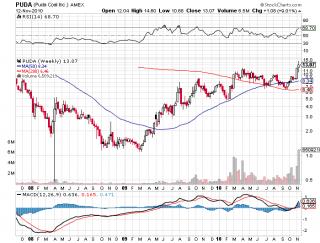


momo seems to have done good job, gostan sighted

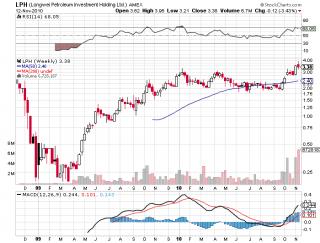
gmcr now only reverse gear, should hav hang on to puts instead of cut loss

but who knows?

ok then, time to go hibernation

QUOTE(zamans98 @ Nov 12 2010, 11:47 PM)
true and yeah - i really like your post.

keep em up.
The rest I believe just silently read the posting and do their own plan, glad we can help eh.
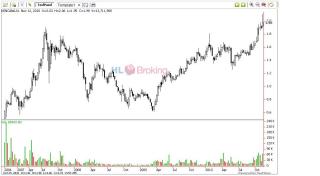
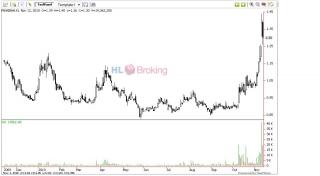
Watching closely my new favourita - URRE.
» Click to show Spoiler - click again to hide... «
1) The Nasdaq slid 2.4% for the week, the NYSE composite 2.3%, the S&P 500 2.2% and the Dow 2.2%.
Stocks careened lower Friday as the market's uptrend showed more signs of sputtering.
Even before the U.S. markets opened, inflation fears in China and a 5.2% drop in the Shanghai composite set a glum tone. The bulls never recovered.
The Nasdaq lopped off 1.5%, the NYSE composite 1.3% and the S&P 500 1.2%. The Dow held its loss to 0.8%.
Volume was up on the NYSE and down on the Nasdaq.
The action slapped a distribution day on the three NYSE-related indexes. The increasing amount of institutional selling and other red flags mean the market's uptrend is under pressure.
The Nasdaq didn't suffer distribution, thanks to lighter volume. Still, the Nasdaq, along with the Dow, added to the day's negative tone with bearish technical action.
After rising above its April closing high on Nov. 2, the Nasdaq held above that level for eight sessions. Ideally you want to see old areas of resistance turned into support for the next move up.
But that didn't happen. On Friday, the Nasdaq finished below its April 23 high.
The Dow also ended below its April close on Friday. The S&P 500 and the NYSE composite closed below their April highs on Thursday.
There's nothing to say the indexes can't turn things around. Sometimes resistance has to be broken several times to stick. But Friday's action was discouraging.
With the uptrend under pressure, investors need to take a more cautious stance. If you're in doubt about a stock in your portfolio, you might consider lightening up. Don't let a small profit spin down to a loss. As always, sell any stock that drops 7% or 8% below your purchase price.
Stocks can be bought with the market under pressure, but you want to be selective. With 10 stocks falling for every one that rose, finding buy candidates Friday would've been tough.
Avoid trying to predict the market's next move. The next step could be a correction or a resumed uptrend. The past 12 times the market outlook as "under pressure," the next move was to correction six times and to resumed uptrend six times.
Research since 2006 shows that from the day an uptrend comes under pressure, the indexes drop 5.6% on average before heading up again. But more than one-fifth of the time, the loss reaches a double-digit percentage.
2) Ireland Debt Fears, China Rate Worries Hit Global Markets
Speculation that Ireland may seek a European Union bailout and worries that China might try to hit the brakes on its economy to fight inflation roiled markets on Friday.
Renewed concern over Europe's disunity in handling a debt crisis that began with Greece and spread to other indebted countries unsettled investors amid the Group of 20 nations' failure to agree on pro-trade policies in Seoul.
Ireland denied reports that it'll request a bailout from the EU. Irish debt yields, as well as that of Portugal, Greece and Spain, have been climbing for two weeks after Germany spooked bond investors by signaling it wants them to share in the cost of bailouts and possible defaults. The euro closed up Friday after EU leaders stressed that existing investors wouldn't take a haircut. But it fell for the week.
"Haircuts to debt are off the table. But the long-run rules of the game for (eurozone) countries still need to be thrashed out," said Nomura analyst Peter Westaway.
But global asset prices — which rose for months ahead of new Federal Reserve easing — sold off on fears that China might hike rates after inflation there hit a 25-month-high 4.4%. The Shanghai composite dived 5.2%. The S&P 500 ended off its lows but still lost 1.2%. Gold, oil, metals and grains also fell hard.
'A Bad Toothache'
Europe's economic slowdown outside Germany is already testing the viability of a rescue fund hammered out this summer in the wake of Greece's debt crisis. Germany has been at odds with France, Spain and Italy on get-tough measures for countries that violate fiscal targets.
"It's like a bad toothache that's coming back again," said John Silvia, Wells Fargo's chief economist.
The big question is whether Greece, Ireland and others can expand at a sufficient rate to stave off default while taking growth-sapping austerity measures.
"The EU is trying to buy time. If there's decent income growth, (nations) may be able to keep moving along," Silvia said. "But if income shrinks, if interest rate expense is too high, what wasn't a serious debt problem could become one."
If Ireland does get an EU-IMF rescue, Barclays estimates it would be 80 billion euros to 85 billion euros (about $113 billion) over 2011-13.
While the Fed is pumping even more money into the U.S. economy, the European Central Bank says it has no such plans.
David Wyss, an economist at Standard & Poor's, says Ireland has been hard-pressed to support its banking system, which is huge relative to the size of the economy. The ECB needs to do more, he says.
"If there is a consistent policy that provides liquidity, under reasonably stringent terms, the crisis can be calmed down," Wyss said. "The problem in Ireland and Spain isn't really fiscal policy. It's the cost of bailing out the banking sys tems because of the bursting of the housing bubbles. Central banks in these countries can't add enough liquidity by themselves. That function has been handed off to Frankfurt. And, the ECB isn't acting like a normal central bank would."
Ireland's woes flared amid calls for the EU to clarify the Sovereign Debt Restructuring Mechanism. At the G-20 meeting, EU leaders released a statement that the SDRM would only apply to debt issued after mid-2013, not existing debt.
EU leaders have stumbled badly, says UniCredit Group economist Marco Annunziata.
"The eurozone's credibility deficit is getting larger by the day," he wrote in a research note. "If by 2013 countries like Greece, Ireland and Portugal are still in a shaky position, with weak fiscal accounts and weak growth, any new debt issued with SDRM clauses will carry exorbitant yields. The EU would then have to choose between a full-fledged, open-ended bailout, and reneging on the promise that existing debt would not be restructured."


 Nov 12 2010, 09:43 PM


 Quote
Quote

 happy shorting!


 to minimize screw up, need to pick up the skill faster


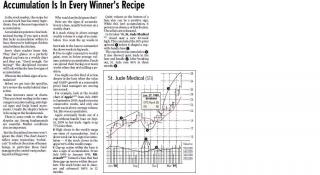

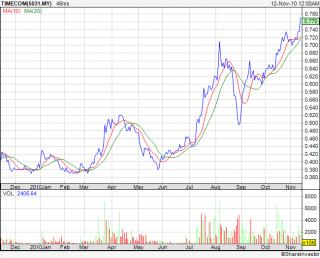


 fa seems goodie too


 0.0367sec
 0.44
0.44
 6 queries
 GZIP Disabled