

 COMPARISON of PETROL vs DIESEL engine (technical)!, as requested by noobfc..
 Dec 31 2009, 07:59 PM, updated 16y ago


QUOTE(noobfc @ Dec 29 2009, 07:56 PM)
what is the difference between petrol and diesel?

hmm.. good question 
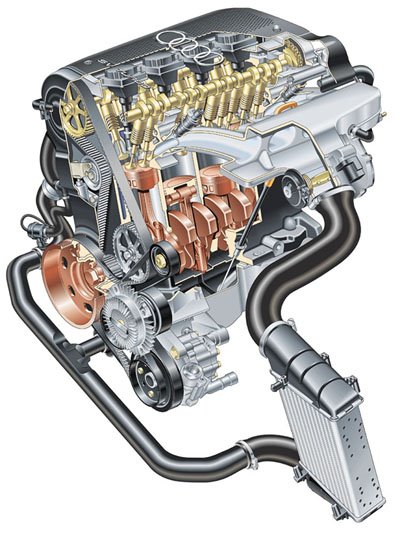
example of PETROL engine
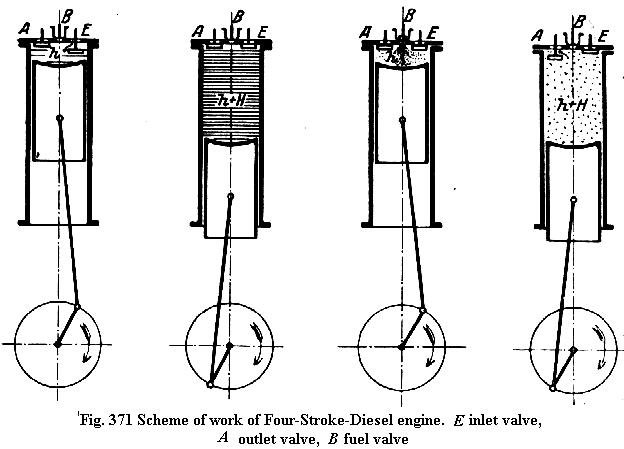
example of DIESEL engine

An engine is a lump of metal which makes the vehicles go zoom. Major types of engines are petrol and diesel.
The engines required to run petrol and diesel are different because petrol and diesel are different types of fuel.
Petrol is a highly volatile fuel and gets ignited very easily whereas diesel is comparatively heavy and dirtier fuel.
COMPARISON of PETROL/GASOLINE vs DIESEL engine (in technical views)
---------------------------------------------------------------------------------
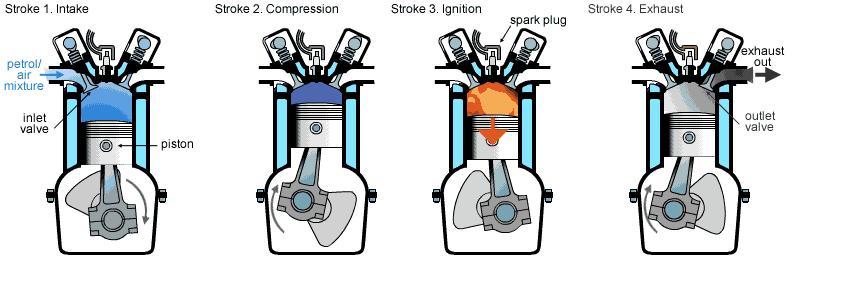
Inlet stroke
> In petrol engines the mixture of air and petrol is drawn in by the falling piston
> In diesel engines only air is drawn in by the falling piston
Compression stroke
> In petrol engine, the mixture is compressed upto about 1/8th to 1/12th of its original size.
> In diesel engine, only air is compressed upto about 1/14th to 1/25th of its original size.
Expansion stroke
> In petrol engine, the air and fuel mixture is ignited using a spark plug and burns expanding and forcing the piston down.
> In diesel engine, fuel is injected at a high pressure into the hot, compressed air in the cylinder, causing it to burn and force the piston down. No spark is required.
Exhause stroke
> In both petrol and diesel engines, the burned mixture of air and fuel is pushed out of the cylinder by the rising piston.
A diesel engine is also known as a "compression ignition" engine. Since the air is compressed to very high pressure raising its temperature and then diesel is injected in a very fine spray which causes the diesel to ignite and explode. Whereas a petrol engine is known as a "spark ignition" engine. Since a spark plug is required to ignite the mixture of petrol and air in the combustion chamber.
TURBOCHARGED COMPARISON
A diesel engine is more easily turbocharged than a petrol engine. A petrol engine cannot be easily turbocharged due to the fact that if the compression ratio and the pressure in the cylinder is to high during the inlet stroke, the mixture starts to burn to soon, while the piston is on its way up. The diesel engine has no fuel in the cylinder, thus letting the turbocharger suck as much air as it can without creating any problems. (A turbo charger is a simple air compressor which compresses air in the combustion chamber for burning). Some diesel engines also have an intercooler which helps in blowing cold and oxygen rich air in the combustion chamber.
ELECTRONIC ENGINE MANAGEMENT COMPARISON
Electronic engine management not necessary in diesel engines. Some modern diesel engines are gaining electronically controlled injection pumps, but the vast majority of them out there have purely mechanical pumps. In fact no electricity is required to make a diesel engine run, except for a simple fuel cut off solenoid so that you can switch the thing off! If your alternator stops working, then you’re gonna get home in a diesel. This also means that a diesel engine does not have any ignition breakers, ignition coils, distributors and ignition wires to go bad. So a diesel engine should start no matter if it is dry or rainy or wet.
LUBRICANTS COMSUMPTION COMPARISON
Petrol destroys lubrication and burns the engine whereas diesel doesn't. So a diesel engine would last longer than a petrol engine.
WEIGHT COMPARISON
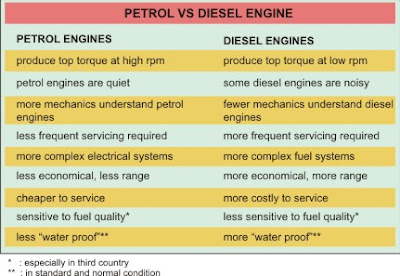
Petrol engines are lighter than diesel engines.
TORQUE COMPARISON
Diesel engines have higher torque than petrol engines. What does this mean? Well, this means that a diesel engine would pull heavy loads easily than a petrol engine. Though the pickup of a petrol engine would be much more than that of a diesel engine, the diesel engine would be steady and carry heavier loads to longer distances.
FUEL EFFICIENCY COMPARISON
Diesel engines have better fuel efficiency as compared to petrol due to the fact that they have higher compression ratio.
DURABILITY COMPARISON
Diesel engines don't need an ignition system, which reduces their complexity. But they are more noisy and may require frequent maintenance as compared to petrol engines. Also they are more durable.
SPARK PLUGS
Diesel engines may also need glow plugs in extreme cold conditions which heat up the cylinder so that a cold engine can start easily.
FUEL ECONOMY COMPARISON
And now the most important part, fuel economy. Diesel wins in both ways. Diesel engines give better mileage than petrol engines and In Malaysia diesel is much cheaper than petrol. So running on diesel would make you go farther at a lower cost than running on petrol.
COMPRESSION RATIO COMPARISON
Engine breaking is tougher in the diesel due to the 22:1 compression ratio. But a petrol engine is more likely to start than a diesel one. You do need a good battery to start the second motor.
STEERING COMPARISON
A diesel engine makes steering heavy.
REV COMPARISON
Petrol cars rev up to 7-8 thousand, while diesel ones go up to 5 thousand.
SPEED COMPARISON
If you take two cars with same cylindrical capacity, one diesel one petrol with same horse power and if we consider that the drivers of both of the cars are experts, 0-60mph and ¼ mile , the petrol fueled one is always going to win.
Both diesel engines and gasoline engines covert fuel into energy through a series of small explosions or combustions. The major difference between diesel and gasoline is the way these explosions happen. In a gasoline engine, fuel is mixed with air, compressed by pistons and ignited by sparks from spark plugs. In a diesel engine, however, the air is compressed first, and then the fuel is injected. Because air heats up when it's compressed, the fuel ignites.

QUOTE(Compression Theory of Diesel Engine made by Rudolf Diesel from Germany)
one of the reason why Diesel Engine is more fuel efficient compared with Gasoline/Petrol base engine
When working on his calculations, Rudolf Diesel theorized that higher compression leads to higher efficiency and more power. This happens because when the piston squeezes air with the cylinder, the air becomes concentrated. Diesel fuel has a high energy content, so the likelihood of diesel reacting with the concentrated air is greater. Another way to think of it is when air molecules are packed so close together, fuel has a better chance of reacting with as many oxygen molecules as possible. Rudolf turned out to be right -- a gasoline engine compresses at a ratio of 8:1 to 12:1, while a diesel engine compresses at a ratio of 14:1 to as high as 25:1.
When working on his calculations, Rudolf Diesel theorized that higher compression leads to higher efficiency and more power. This happens because when the piston squeezes air with the cylinder, the air becomes concentrated. Diesel fuel has a high energy content, so the likelihood of diesel reacting with the concentrated air is greater. Another way to think of it is when air molecules are packed so close together, fuel has a better chance of reacting with as many oxygen molecules as possible. Rudolf turned out to be right -- a gasoline engine compresses at a ratio of 8:1 to 12:1, while a diesel engine compresses at a ratio of 14:1 to as high as 25:1.
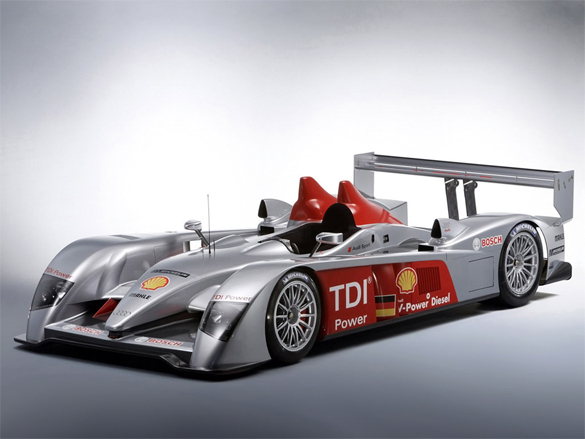 <-- VW Group win the best engine this year
this is why most Germany car manufacturers focusing to make hybrid car based on Diesel type of engine, because it is really fuel efficient and fuel economy!
noobfc, i hope this help you

----
I think there is very big possibility that F1 will switch to DIESEL-HYBRID to cut cost??[/size] Jean Todt, FIA President said want to take serious action on cutting the cost of F1 and to develop an F1 car that will benefit to real car manufacturers (technology transfer)
F1 competitors spend HALF of their budget just to develop the F1 engine!

This post has been edited by RAC1NGengine: Dec 31 2009, 11:56 PM
 Quote
Quote














 0.0171sec
 0.49
0.49
 5 queries
 GZIP Disabled