

 Dec 15 2009, 07:08 PM, updated 17y ago


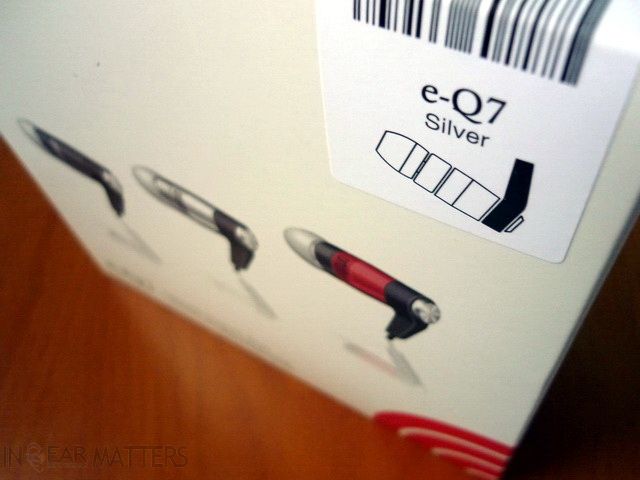
Spec
Driver: Single Balanced Armature
Frequency Response: 10Hz – 20kHz (+/- 3dB)
Sensitivity: 120dB SPL/mW
Impedance: 40 ohms
Maximum Rated Input Power: 5.0mW
Weight: 16.9g
Cable: 1.2m, Silver Plated 4N OFC.
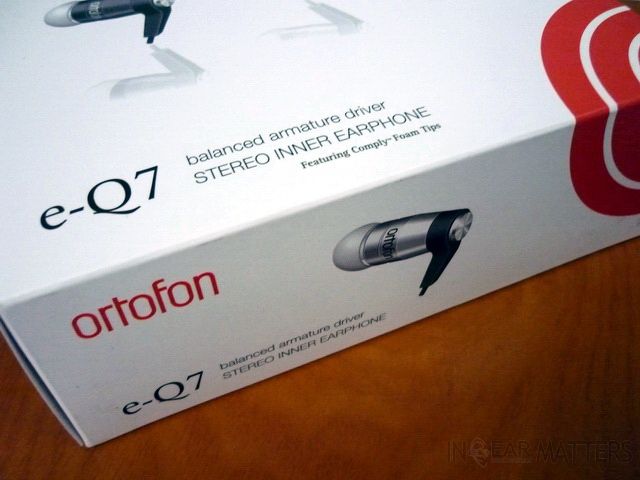
Technical Prelude
When Ortofon first announced the e-Q7, the earphone is advertised as having a newly developed single magnetic pole, armature based large size transducer. In most other balanced armature (BA) transducer, the ‘arm’ where the miniature coil is resting on is placed between two magnets (this is the ‘balanced armature’ part). When electrical signal is applied the coil, the arm flexes back and forth according to the change of magnetic field and push an rod at the end of the arm. The rod transmits the motion to the miniature diaphragm and creates the sound. In contrast to BA, dynamic (moving coil) transducer’s coil is placed inside a single larger magnetic field (a rounded magnet). The motion of the coil is directly transmitted to the diaphragm since they are attached to each other. The different in construction reflects the differences in sonic characteristic: BA is often better at detail, speed and resolution, while dynamic is often better at mass and low frequency performance.
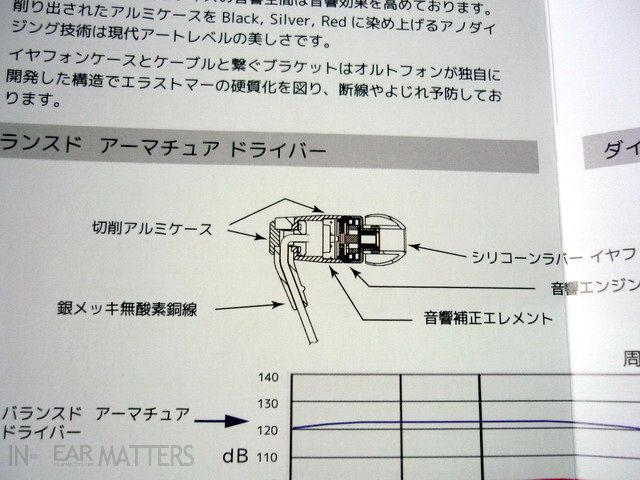
The new armature transducer in e-Q7 is, however, a different beast. If I have to sum it up in one word, I’ll call it a ‘hybrid’, or perhaps Grado has described it in a better term as “moving armature” (on their GR8, which features the same family of transducer). Imagine a dynamic transducer without the moving coil. Instead, the diaphragm is connected to a large armature placed in a single large magnetic field. Now you’ll have the best of both world – speed and resolution of balanced armature with the massive low-end found on dynamic transducer. Too good to be true? Perhaps not.
After over 20 years of trying to improve on old technologies in the field of IEM design, now we finally enter in a new era, with a new type of transducer.
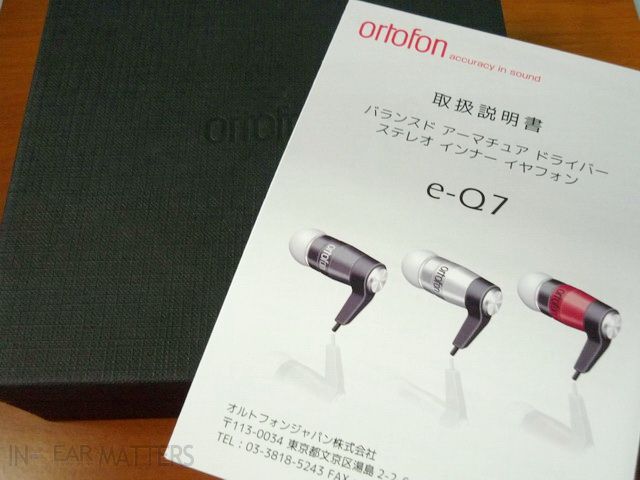
A very detailed user manual (with both Japanese and English) is included. Only a small handful of IEM makers have well printed manual. A real shame actually.
Packaging, Accessories, and Build Quality
I am not sure whether it is because the e-Q7 is from Ortofon, or maybe because it is made in Japan (likely the combination of both), the packaging is just great. It just so happens that out of top three IEM packaging I have ever seen (Shure SE530, Sony MDR-EX700 and Ortofon e-Q7), two of them share the same Japanese origin.
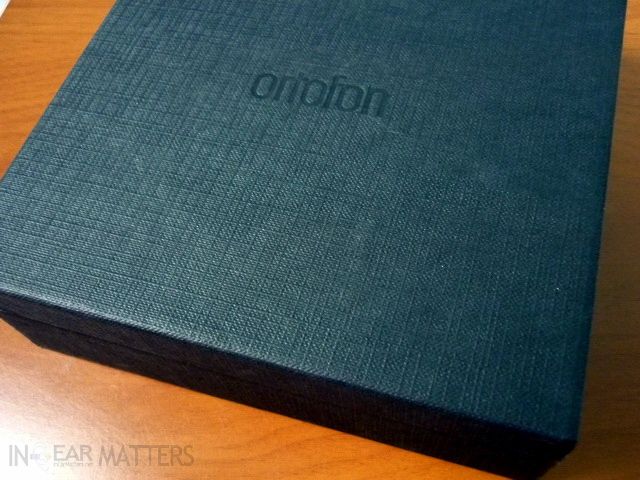
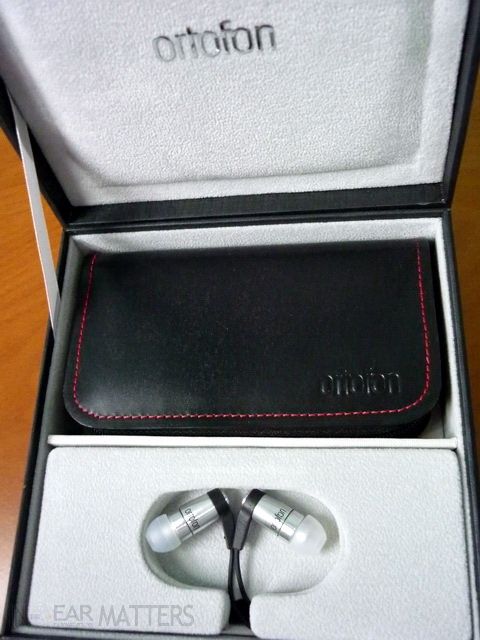
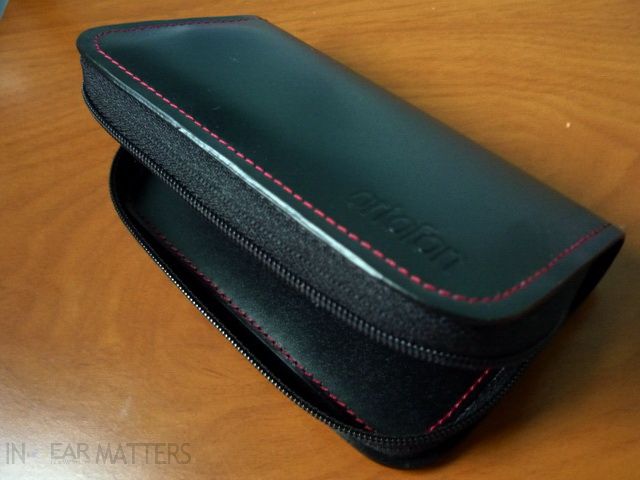
Inside the box, you’ll find a hard paper box with velvet lining inside (the sort of box jeweler will use). Open the hard paper box up, the shiny metal ‘ortofon’ is almost too pretty to look at. The IEM itself is sitting at the bottom, just below the real leather hard case. It is elegant.

This post has been edited by ClieOS: Dec 15 2009, 07:32 PM
 Quote
Quote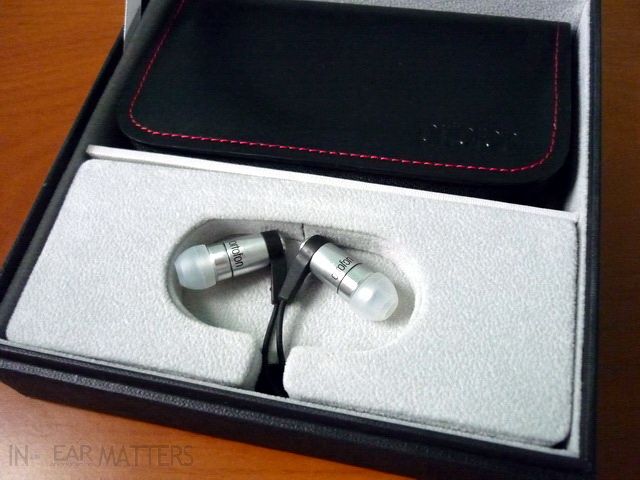
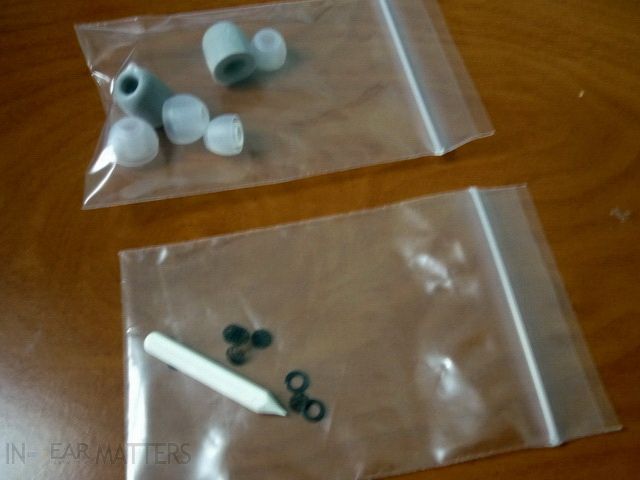
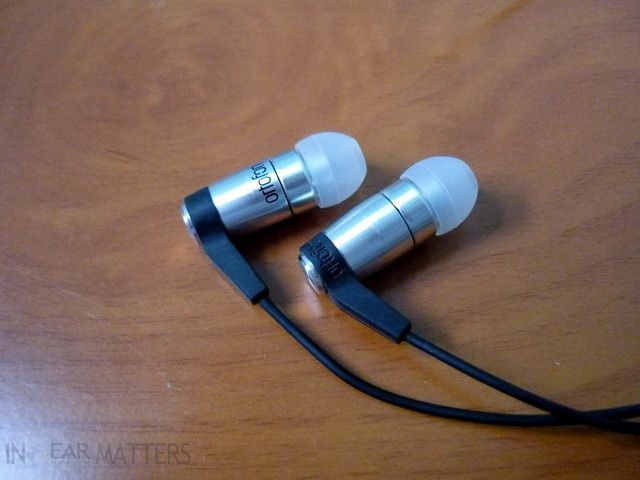
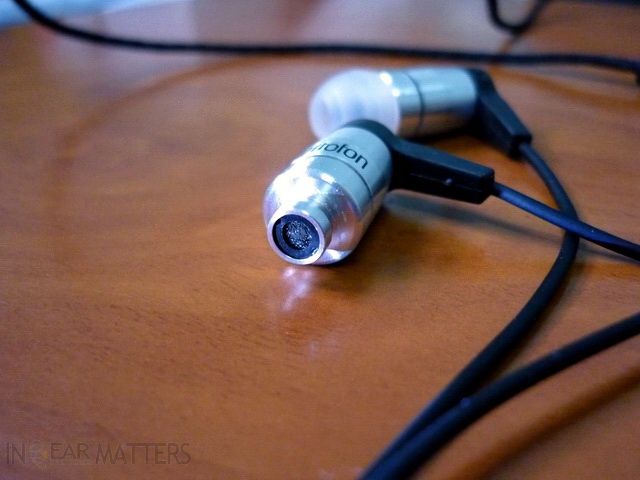
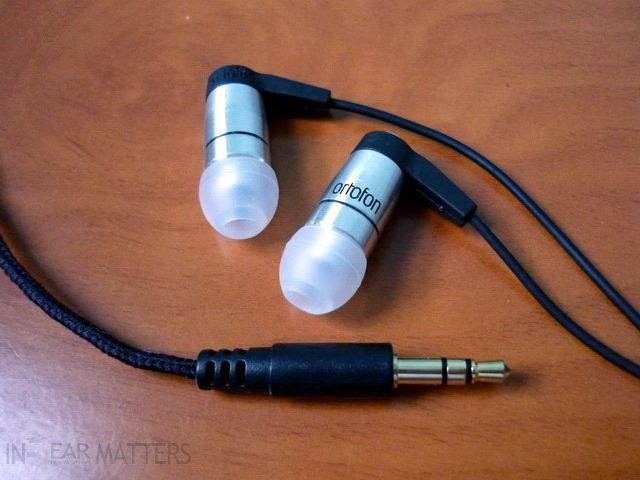
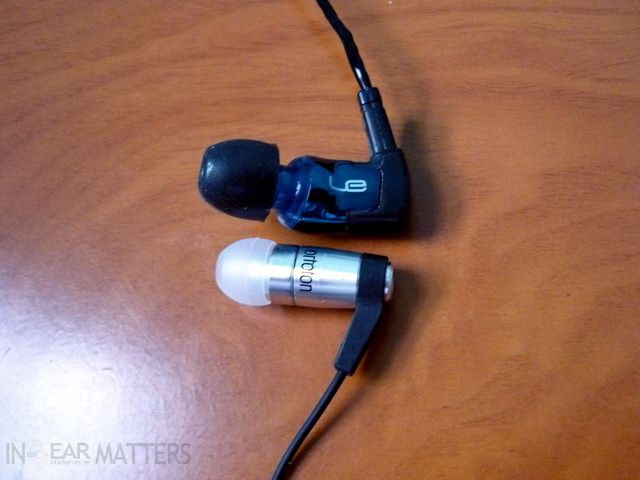

 the shape looked dead ugly to me at first, now the more times i see it, the better it became. now I just think its cool! bullet style




 0.0179sec
 0.96
0.96
 5 queries
 GZIP Disabled