Some good read. For those who like to know or haven't known about LED technology more

These info are scattered everywhere in CPF, even some info are scattered in this forum, but here's a "compiled" summary version for everyone.
Cool and Warm white conversion (our flashlights use the second method):
» Click to show Spoiler - click again to hide... «
White light is achieved in three different ways. The first method is color mixing, using individual LED colors: blue and yellow to create a dichromatic white source; red, blue and green LEDs to create a trichromatic white source and blue cyan, green and red LEDs create a tetrachromatic white source.
A second method is binary complementary wavelength conversion. A blue LED is complemented with a yellow phosphor to create cool white light with a typical color temperature of 5,500K. By adding a secondary red phosphor, a warm white color with a color temperature of 3,200K is achieved.
The third method is ultraviolet wavelength conversion, in which a single ultraviolet LED is used to excite a tri-color phosphor coating, which in turn produces visible “white” light.
About High CRI:
» Click to show Spoiler - click again to hide... «
Typical phosphor-based white LEDs have color rendering index (CRI) values comparable to discharge lamps (fluorescent and HID lamps). Many people mistakenly believe that a high CRI means high color rendering properties. Actually, the CRI is merely an index of how similar a light source makes colors appear in comparison to a reference source such as incandescent. That's why an incandescent lamp has a CRI near 100. Recent studies show that mixed-color “white” LED systems with a CRI in the 20s can result in higher color preferences than systems with a CRI in the 90s. Recognizing the limitation of the current CRI rating, international standard-making groups are now developing new measurements to better characterize the color-rendering properties for all light sources, including LEDs.
Pulse Width Modulation (PWM):
» Click to show Spoiler - click again to hide... «
The LED source can also be dimmed by reducing the forward current. This is accomplished by rapidly switching the forward current on and off using pulse width modulation. By adjusting the relative duration of the pulse and the time between pulses, the total light output of the LED is reduced without the distraction of flickering.
LEDs have heat when current passes through:
» Click to show Spoiler - click again to hide... «
One of the biggest misconceptions about LEDs is that they are cool light sources, because the LED doesn't generate infrared energy. But, unlike an incandescent bulb, which sheds its heat radiatively, an LED must dispel heat by convection and conduction. If the LED die junction does not operate below its maximum rated temperature during operation, both light output and life are reduced. Additionally, since the light output of an LED for a constant current varies as a function of the junction temperature, some system manufacturers have a compensation circuit that adjusts the current through the die to keep a constant lumen output at various ambient temperatures. Specification-grade LEDs use a heat sink with metal fins, or wings, for proper heat transfer, which is an important factor in fixture design.
LED efficiency and lifetime:
» Click to show Spoiler - click again to hide... «
LED system efficiency is defined by the luminous flux (lumens) produced by the system power input (Watts) and is expressed in lm/W. While LEDs are considered to be reliable and to offer long life, the lighting industry has no agreement on the definition of an LED source or the useful life of the LED. One possible definition of “lifetime” is the number of hours required for the source output to decline to a certain percentage of its initial output. Many specification-grade LEDs achieve 70 percent lumen maintenance after 50,000 hours of use under standard operating conditions.
Full article here:
http://ewweb.com/greenbiz/electric_led_report/This post has been edited by pseudoblue: Jan 3 2010, 12:00 AM 

 Dec 31 2009, 11:51 PM


 Quote
Quote


 you should have at least 3 or 4 on your body. I now bring my jet I pro in my pocket everywhere I go.

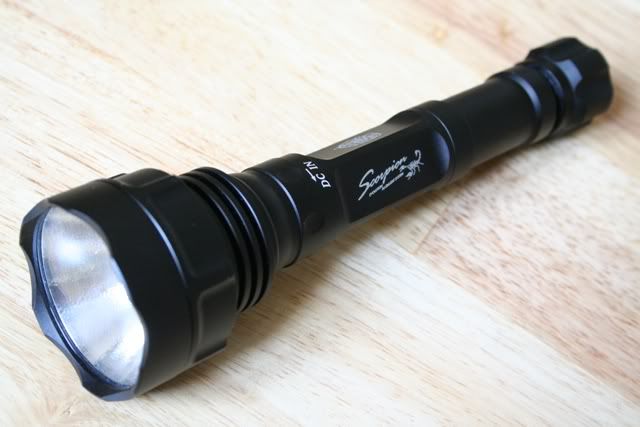

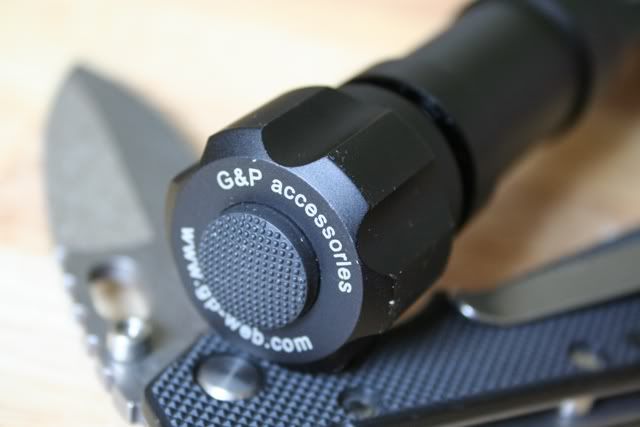
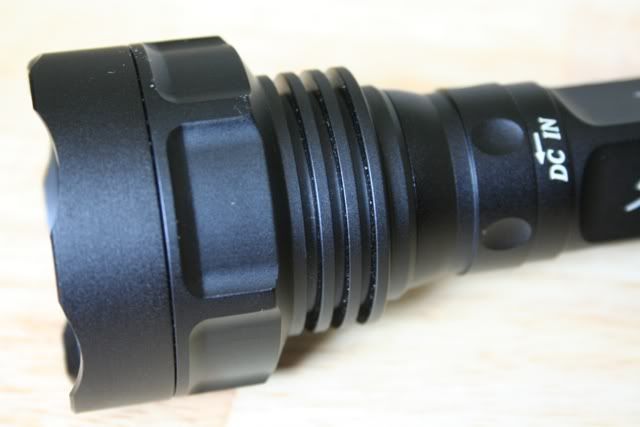
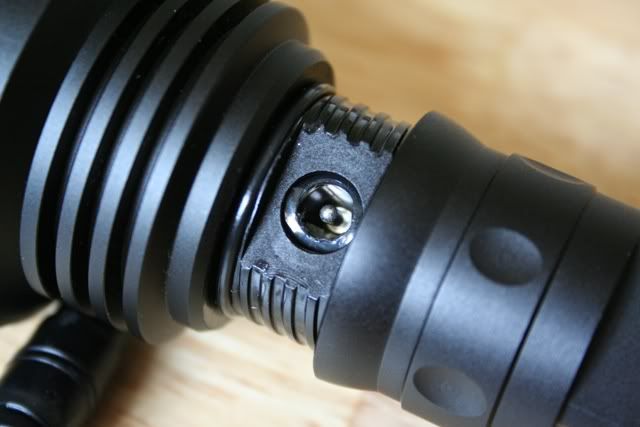
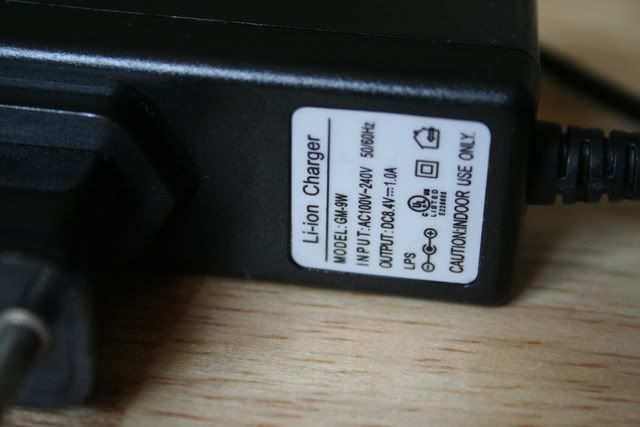
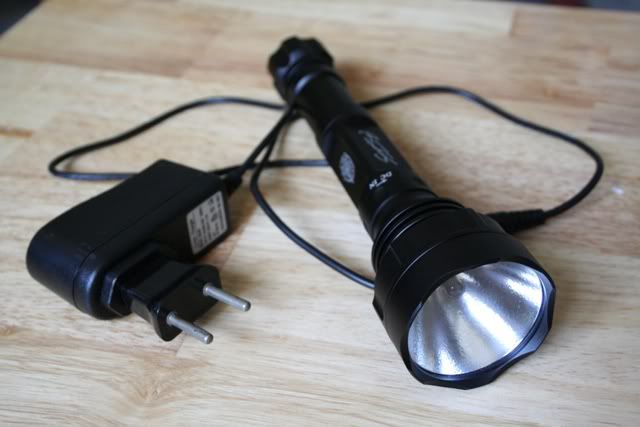


 but i guess this is the one right?
 since this is a hong Kong based company, there is a possibility for a GB


 0.0310sec
 0.63
0.63
 6 queries
 GZIP Disabled